// BBC WORLD NEWS — MONDO
Canada's retaliation tests the limit of American power under Trump
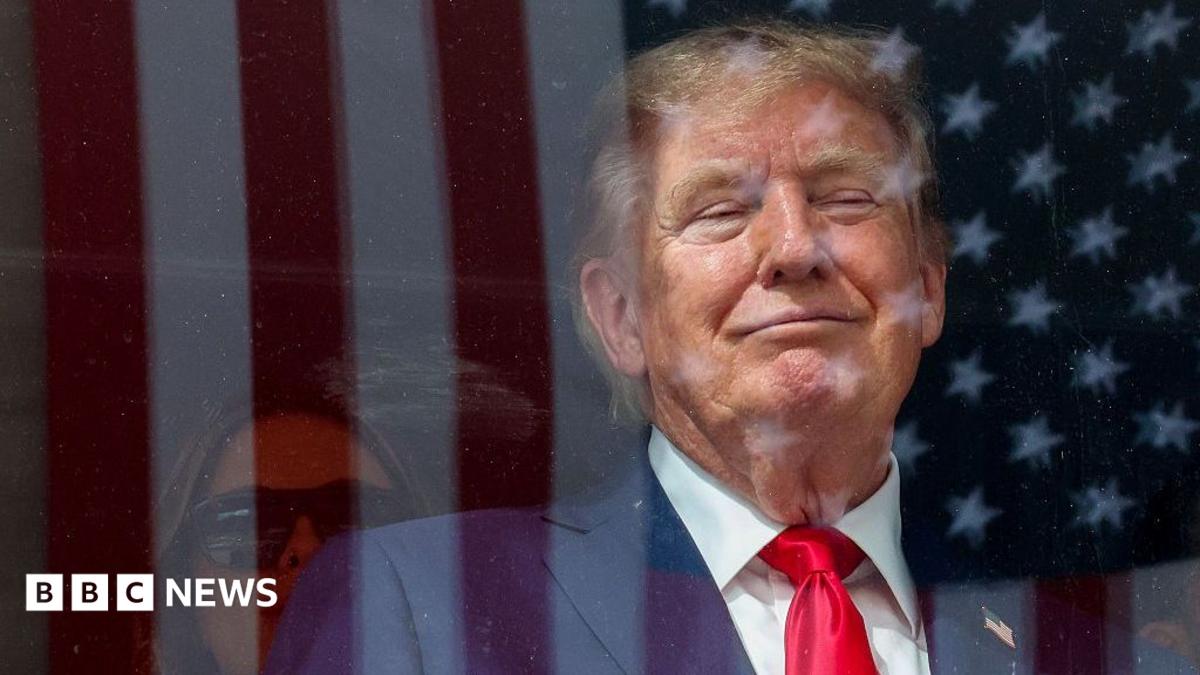
Reported remarks from US Vice-President JD Vance may not have helped recent trade talks with Canada
Two days before US-Canada trade talks dramatically derailed, Vice-President JD Vance was telling an audience at a private fundraiser that Prime Minister Mark Carney was a "very sweet guy".
In a private audio recording leaked to the Canadian Press, Vance reportedly went on to say that Carney "comes in and puffs his chest out and says: 'I'm going to, like, out-tough Donald Trump.'"
He described that approach as "hilarious" because the Canadians ultimately "climb down on a lot of issues".
Maybe those comments, which received considerable coverage in Canada, were not the proximate cause for Carney's diplomats to pack up and go home over the weekend. But they certainly didn't help.
Is Carney's decision to walk away a risk worth taking? Listen to The Global Story
Carney's move abruptly terminated negotiations over a new trade agreement and sparked a fresh round of tariffs between neighbours who conduct more than $872bn (£640bn) in bilateral annual trade.
The serious and deepening rift - and Vance's comments - offer the latest example of a Trump administration willing to exert force on the global stage against friend and foe alike, again highlighting the potentially disruptive consequences of such actions.
What's more, if Trump thought the Canadians would cave in the face of American pressure - as many US allies have done over the past 19 months - he may have miscalculated. And the consequences of that mistake could linger for the rest of his presidency.
While the latest rupture is striking, friction between the US and Canada dates back to the first Trump administration and the negotiations that created the USMCA: the deal replacing the 1990s-era North American Free Trade Agreement (Nafta).