// ARS TECHNICA — LINUX & OPEN SOURCE
Florida Catholics slap down state AG by rejecting religious vaccine exemptions
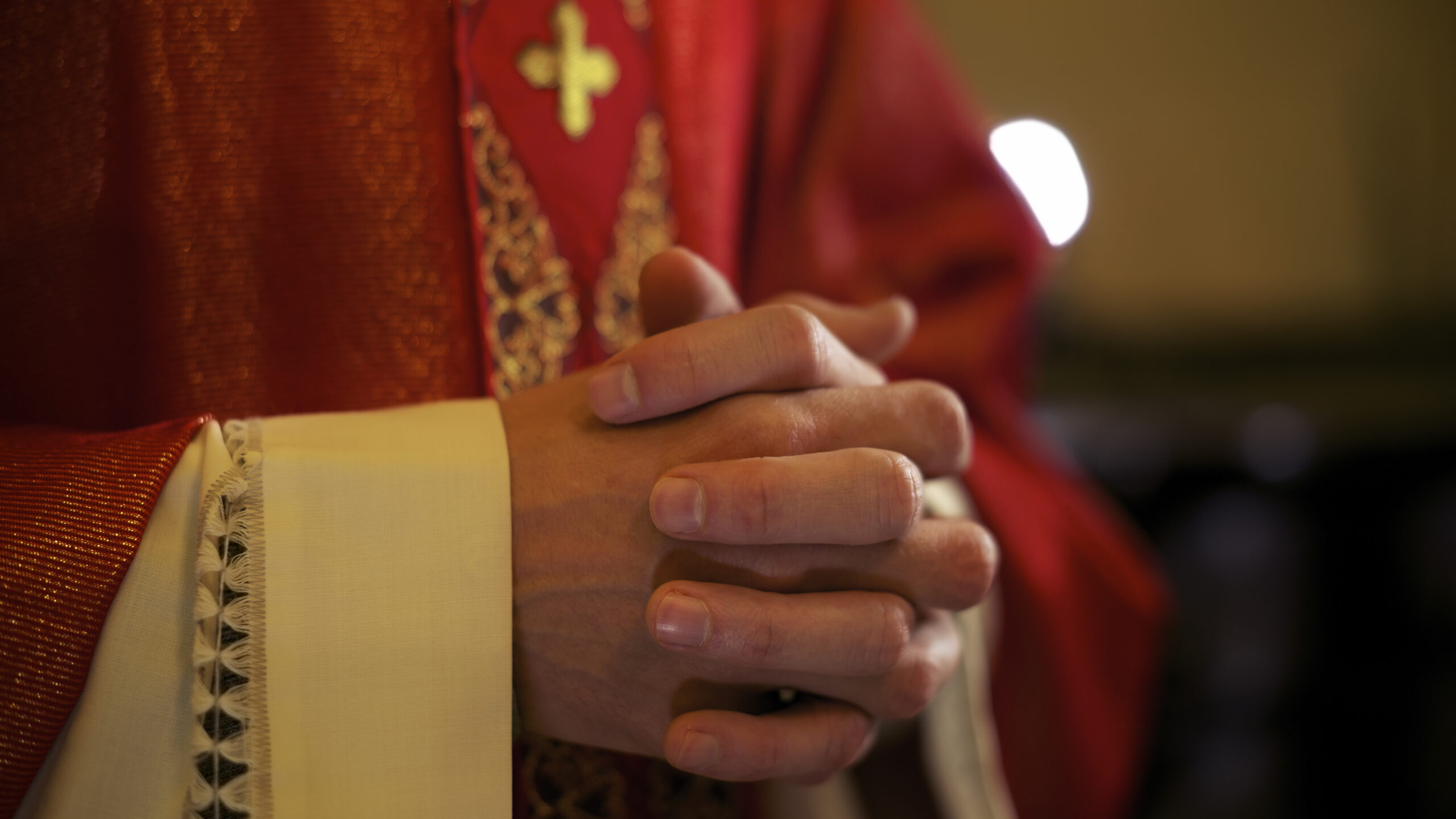
The bishops’ snub comes as the state continues to attack vaccines.
Florida’s attorney general got a fiery rebuke and some ecclesiastical schooling from the state’s Catholic bishops after he boldly threatened to block funding to Catholic schools unless the church bends to the state’s anti-vaccine policies—policies allegedly intended to uphold religious freedom.
On July 31, Attorney General James Uthmeier sent a questionable letter to the bishops regarding exemptions to school vaccination requirements. Florida law requires public and private schools to allow vaccination exemptions based on religious grounds. But Catholic schools in the state do not accept religious exemptions; Florida’s Catholic dioceses support vaccination and recognize no theological argument against it. The schools only accept exemptions based on medical conditions that are verified by a healthcare provider.
Uthmeier, himself a Catholic, wrote to the bishops in an open letter that, based on his own understanding of Catholicism, he saw “no legitimate religious reason to refuse granting religious exemptions.” He reviewed select theological positions regarding the use of “abortion-derived vaccines,” and suggested to the bishops that it was “morally reprehensible” that they not grant religious exemptions.
Beyond sharing his personal interpretations with the bishops, Uthmeier threatened to withhold state scholarships and vouchers from Catholic school if they don’t change their position.
The bishops responded with their own letter, which they made public last week. With a firm crack, they smack down Uthmeier’s legal and theological arguments, while also noting that they’re being unnecessarily nice in explaining to him why he’s wrong. “[T]he Catholic bishops in Florida do not have to justify to your office their position on Catholic teaching and their reasons for the current vaccine policies,” they write.
But “out of respect,” they go on to demolish Uthmeier’s points, citing the hierarchical nature of the Catholic church, the religion clauses of the First Amendment, state laws, and previous court rulings. In all, “It is beyond cavil that the bishops, not the state, decide how to interpret and apply Catholic principles and theology.”
The constitutional defect in your office’s inquiry is, therefore, not merely the conclusion it posits, but the inquiry itself. Whether Catholic doctrine requires, permits, or disfavors a particular exemption is a religious question entrusted to Catholic authorities, not state officials. The government may not decide that Church teaching is insufficiently religious, insufficiently consistent with Catholic doctrine, or insufficiently compelling to justify an ecclesiastical policy. Nor may it require Church leaders to defend their interpretation of Catholic doctrine before civil authorities as a condition of operating religious schools.
To the threat of withholding educational scholarships and other funding, the bishops call it “far from hallow and legally incorrect.”
“The state cannot disqualify Catholic schools from the scholarship program merely because a state official’s views differ from the bishops’ views.”