// ARS TECHNICA — MOBILE & WEB
F1 in Monaco: Finally, the cars were flat-out in qualifying
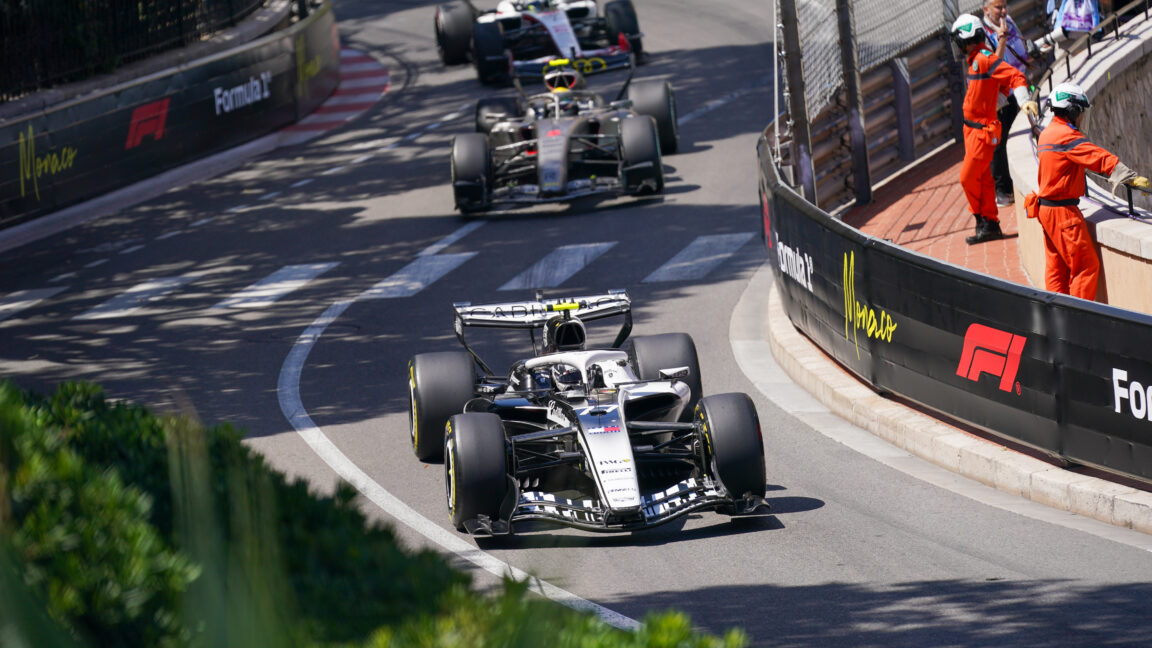
The cars are too big to race well, but the competition for pole position is thrilling.
Formula 1 held its annual race on the streets of Monte Carlo this past weekend. The event predates the sport—the first Monaco Grand Prix was held in 1929 on a layout that isn’t too different from the one used today.
Over the years, the buildings have changed, crash barriers appeared, the swimming pool section grew, and the cars eventually got too big and fast to race each other properly on the tight confines of a circuit that one world champion described as “riding a bicycle in your living room.” But nestled by the Mediterranean, surrounded by super yachts, F1’s least-good race is also its most famous and glamorous. After their home Grands Prix, it’s the one many drivers most want to win.
Overtaking here is virtually impossible; to see race cars do that around the principality, you’ll want to tune into Formula E’s visits there. So qualifying on Saturday, which sets the grid order for Sunday’s race, was more important than usual. Everyone expected pole to go to one of the two Ferraris. And for the first time this season, the cars wrecked completely flat-out; with no long straights and plenty of braking zones, the cars were not energy-limited for once this season.
Ferrari’s Charles Leclerc is a hometown boy—a true Monegasque rather than a tax exile like the other F1 drivers who live there—and may just have the fastest one-lap pace among the entire grid right now. Meanwhile, his seven-time world champion teammate Lewis Hamilton has won the race three times and stood on the podium on six other occasions. The Ferrari this year is down on power—more on this in a bit—but the team’s decision to go with a small turbocharger for better low-speed drivability and the fact that the car is recognized as having the best chassis compliance should make it well-suited for this outlier of a track.
And so it proved on Friday during free practice 1 and 2, with the red cars topping the time sheets. But the 19-year-old Italian sensation Kimi Antonelli had something to say about that on Saturday, pipping both Ferraris to the top of FP3 with a lap time of 1:12.720—still almost four seconds slower than last year’s fastest lap, a record that should stand for some time.
The car balance the Ferrari pair had found on Friday wasn’t quite there the following day, and the best that Hamilton and Leclerc could do was third and fourth, with Max Verstappen in second, just a few hundredths of a second slower than Antonelli’s Mercedes when it really counted. After four wins on the trot, the young Mercedes driver was staring at the likelihood of a fifth.
That came true on Sunday, with a lights-to-flag victory that included setting the fastest lap. Verstappen’s day ended almost as soon as it began, with a power unit failure that saw him limp off the line and then retire, thankfully with no one crashing into him. Robbed of a chance to see Verstappen harry Antonelli with hopes of him making a mistake, all eyes turned to Hamilton.
After several years where he didn’t really gel with the ground effect cars, topped off by a terrible 2025 at Ferrari, Hamilton appears to have found his feet again and is much more competitive, but he had nothing for the Mercedes, which stretched out a lead and maintained it until the crumbling track surface at the final corner threw some uncertainty into the proceedings.
The problem was a new patch of tarmac that apparently wasn’t up to scratch and started deteriorating under the cars’ tires. First, we got a safety car when Lance Stroll’s Aston Martin understeered into the barrier on lap 60, then a red flag—suspending the race—when it happened to Leclerc’s Ferrari on lap 65. Leclerc blamed the poor brakes on his car for his crash, but the fact that his left front wheel was covered in broken bits of tarmac seems a more likely cause of his terminal understeer.