// ARS TECHNICA — INTELLIGENZA ARTIFICIALE
AI industry says Trump plans to tax chips in the “single dumbest way imaginable”
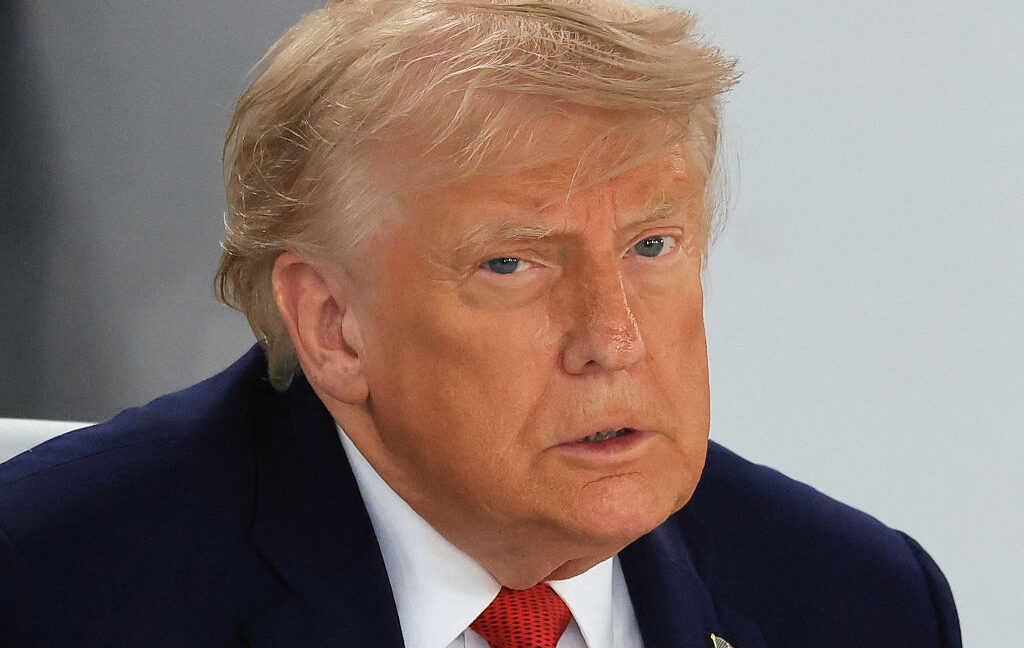
Tech industry is perplexed by Trump’s plan to win AI race by taxing data centers.
Donald Trump may be preparing to announce sweeping new semiconductor tariffs at the absolute worst time, the tech industry fears.
On Thursday, Politico reported that a wide range of new semiconductor tariffs, which the tech industry expects will “doom” artificial intelligence innovation in the US, could be imposed in the coming “weeks or months.”
About eight people familiar with the Trump administration’s plans were granted anonymity to discuss how the tariffs might work. They suggested that the framework for tariffs may change as it becomes finalized, but one approach under consideration could “dramatically expand the number of tech products subject to the duties, hitting not just chips but potentially many of the goods made with them, such as gaming consoles or the servers that fill data centers.”
That scenario is the tech industry’s nightmare. Since Trump took office, trade groups have warned that imposing tariffs on both semiconductors and the many downstream products that use semiconductors—potentially even taxing used or refurbished products that contain chips—would be ruinous for the economy.
Most absurdly, given the priorities of Trump’s AI Action Plan, that tariff approach would cost the US about $90 billion annually in GDP losses and cause about 20 percent of data center projects planned through 2030 to be delayed or canceled, the Computer and Communications Industry Association (CCIA) estimated in June. The tariffs could even drive more data center development outside the US, the CCIA warned, which seems counterproductive, since Trump is imposing them in order to force more development into the US.
Beyond disrupting the momentum of data centers, the tariffs could have wide-ranging ripple effects if certain products aren’t exempted, the CCIA said in a May letter to Treasury Secretary Scott Bessent, which was cosigned by about 20 trade groups.
For consumers, prices of “everyday tools,” like smartphones, laptops, tablets, smartwatches, connected devices, and vehicles, could increase at a time when US households are already budget-strained. Tariffs could also limit technology choices for Americans by delaying new product launches, including devices featuring the latest AI technologies. And any dampened demand for popular tech risks further limiting innovation while seemingly working in lockstep with tariffs to slow AI adoption in the US, the letter warned.
“Consumer devices are the primary interface through which Americans access AI-powered tools. AI only delivers on its promise when people can actually use it—and tariffs that price consumers out of the device market would slow AI adoption at the very moment the United States is positioned to lead,” the letter said.
To shield AI firms, the Trump administration is mulling some tariff relief, but sources told Politico it would likely be tied to foreign firms investing in US chip manufacturing, like Taiwan Semiconductor Manufacturing Co. Apparently, that’s the approach Commerce Secretary Howard Lutnick favors most.