// 9TO5MAC — MOBILE & WEB
OpenAI renews push to get Apple’s trade secret theft lawsuit tossed
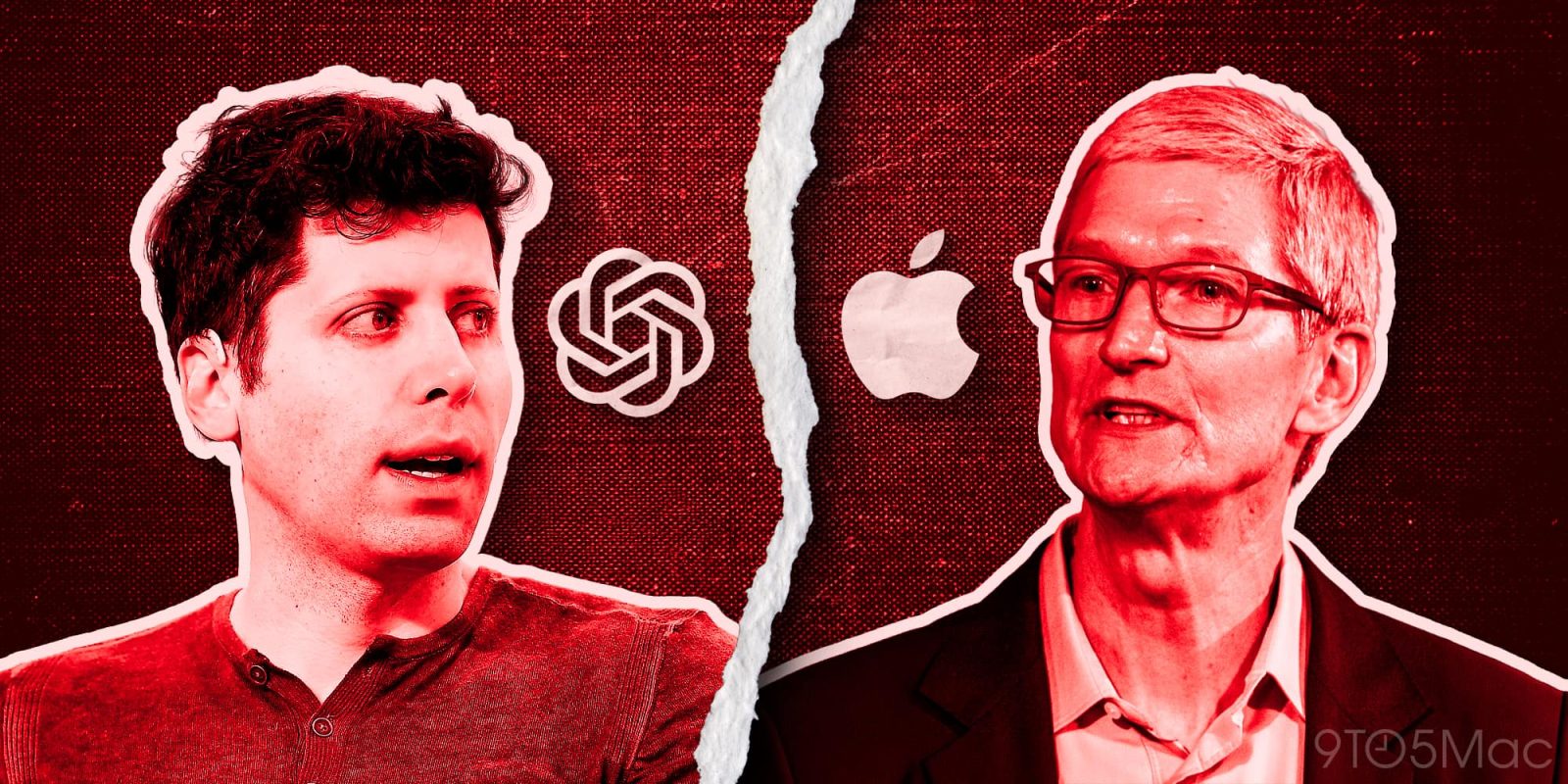
Chang Liu, Tang Tan, OpenAI, and io Products filed a new petition asking the court to dismiss Apple’s trade secret misappropriation complaint with prejudice. Here’s what that means.
A few weeks ago, Apple filed a lawsuit accusing two former employees of trade secret misappropriation.
The lawsuit, which also includes OpenAI and Jony Ive’s io Products, claims that Chang Liu and Tang Tan took or accessed confidential Apple information after leaving the company, and that they coached prospective hires on how to avoid triggering Apple’s security systems while taking company information with them.
Apple has also been seeking a preliminary injunction to stop OpenAI and the other defendants from accessing, using, or disclosing Apple’s alleged proprietary information while the case proceeds, as well as expedited discovery to more quickly determine the scope of the alleged misappropriation (which would in turn also inform the scope of the injunction).
Following Apple’s filing, OpenAI and the other defendants responded by asking the court to dismiss the lawsuit, claiming that Apple had failed to clear the legal bars required to support its trade secret misappropriation claims.
They claim that Apple failed to identify protectable trade secrets with enough specificity, failed to plausibly allege that any of the defendants misappropriated them, and failed to show any resulting injury or ongoing harm.
Apple, in turn, responded by arguing that its complaint identifies specific trade secrets and specific acts of alleged misappropriation, while accusing the defendants of relying on unrelated events to offer innocent explanations for conduct Apple says it never alleged.
One example is OpenAI’s claim that Tang Tan retained Apple’s offboarding document only to help ensure that future hires complied with Apple’s security requirements, while another is its argument that Chang Liu accessed Apple information after leaving Apple because former colleagues had asked him for help.
Now, OpenAI has filed a new brief reaffirming its earlier arguments and asking the court to dismiss the lawsuit with prejudice, which would prevent Apple from bringing the same claims again in the future.
In its new filing, OpenAI says Apple’s rebuttal to its motion to dismiss the lawsuit “confirms, rather than cures, the Complaint’s central defect,” arguing the following: