// ARS TECHNICA — HARDWARE & GADGET
How a USB-connected speaker can infect a PC without ever being touched
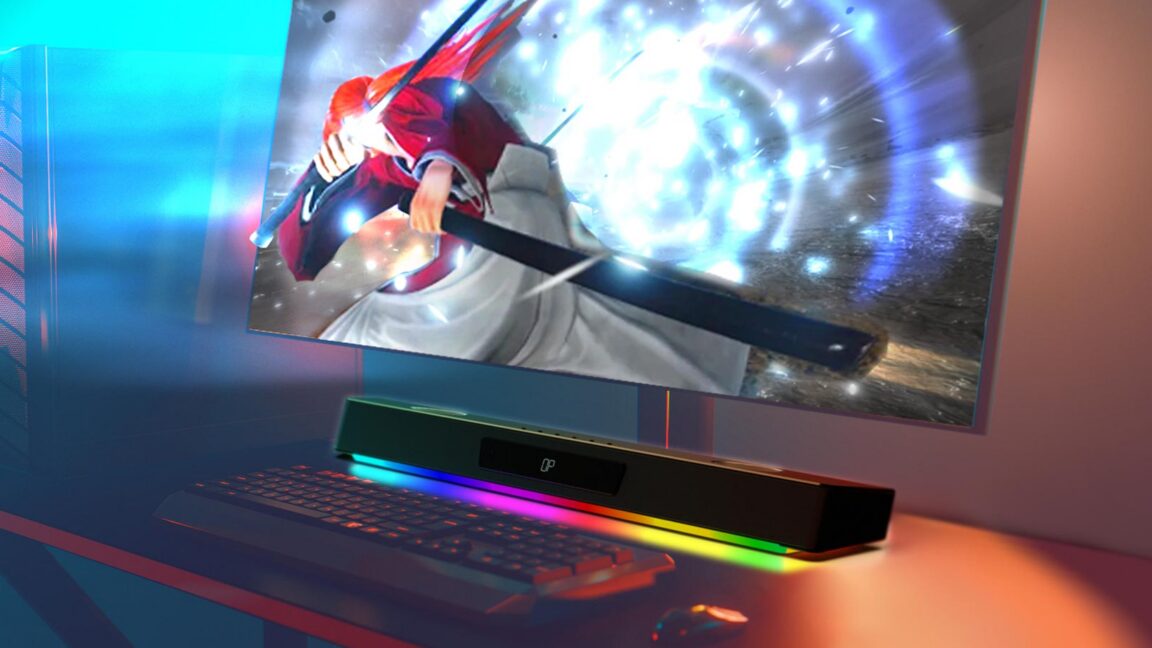
Seller of the Sound Blaster Katana V2X doesn’t consider the behavior a vulnerability.
Operating system makers take many steps to prevent their wares from accepting commands from remote devices. The safeguards, designed to thwart malicious attacks, typically require hackers to jump through all kinds of hoops to bypass the measures. But what if remote code execution were as simple as being within Bluetooth range of a speaker connected to the targeted device?
It turns out it can, at least when the speaker is a Sound Blaster Katana V2X sold by Singapore-based Creative Technologies. The speaker, which sells for $283, is widely acclaimed with numerous reviews showering praise on the sound and performance of it and its predecessor, the Sound Blaster V2.
Researcher Rasmus Moorats stumbled on the hack by accident, after he purchased a Katana V2X, a soundbar that connects to PCs, Macs, and Linux devices over USB or Bluetooth. Moorats was curious if he could create a Linux tool that communicated with his speaker. He discovered he could do so through CTP, a proprietary mechanism he guesses is short for Creative Transport Protocol.
CTP allows devices connected via Bluetooth or USB to send commands to the speaker, such as changing LED colors and equalizer settings. CTP also allows the connected devices to receive responses from the speaker.
To Moorats’ surprise, his Bluetooth device was able to connect to the speaker, which was connected to a PC via USB, without any authentication. Not only that, but his Bluetooth device didn’t have to be paired first. Also surprising: One of the CTP commands, labeled “upload new firmware to device,” allowed him to replace the official firmware with his own custom one. The firmware reflashing didn’t use code signing or other measures to prevent the loading of unofficial code.
After successfully replacing the firmware with a replacement image that did nothing more than display the word “patched” on the speaker’s LED display, the researcher got to wondering what else a hacker might do. So he turned his attention to FreeRTOS, the open source operating system that ran the Katana V2X. It contained a set of HID functions for allowing the speaker to act as a human interface device, a classification that includes keyboards, mice, and webcams. The speaker implemented a limited HID that allowed for things like changing the volume and playing or pausing sound, but little else.
The researcher discovered that he could change the speaker’s USB descriptor set, which is essentially a report that informs devices about the capabilities of a USB- or Bluetooth-connected peripheral. He was able to augment the existing descriptor set with a second one that reported the speaker being a keyboard. Then he used code already included in the firmware to streamline the process of sending keypresses.
All of this gave Moorats an idea: What if he used his device to send commands to the speaker that used the HID to pass them along to the connected PC? After some trial and error, he found that he could. In a blog post published on Wednesday, he wrote:
Chaining it all together, I was able to totally remotely, over the air, upload a custom firmware to my speaker which I hadn’t paired with, which would reboot, flash the custom firmware, and after rebooting type in the command echo pwned and execute it.