// SPACE.COM — SPAZIO & SCIENZA
NASA wants to dump the ISS in the sea. Experts say the plan 'raises serious concerns for ocean health'
"We believe this gap in international law needs to be closed, and the ISS de-orbit is a vivid illustration of why."
When you purchase through links on our site, we may earn an affiliate commission. Here’s how it works.
NASA's plan to deorbit the International Space Station in coming years has fallen under the scrutiny of a government watchdog group and stirred up a wave of reaction by a leading ocean conservation organization.
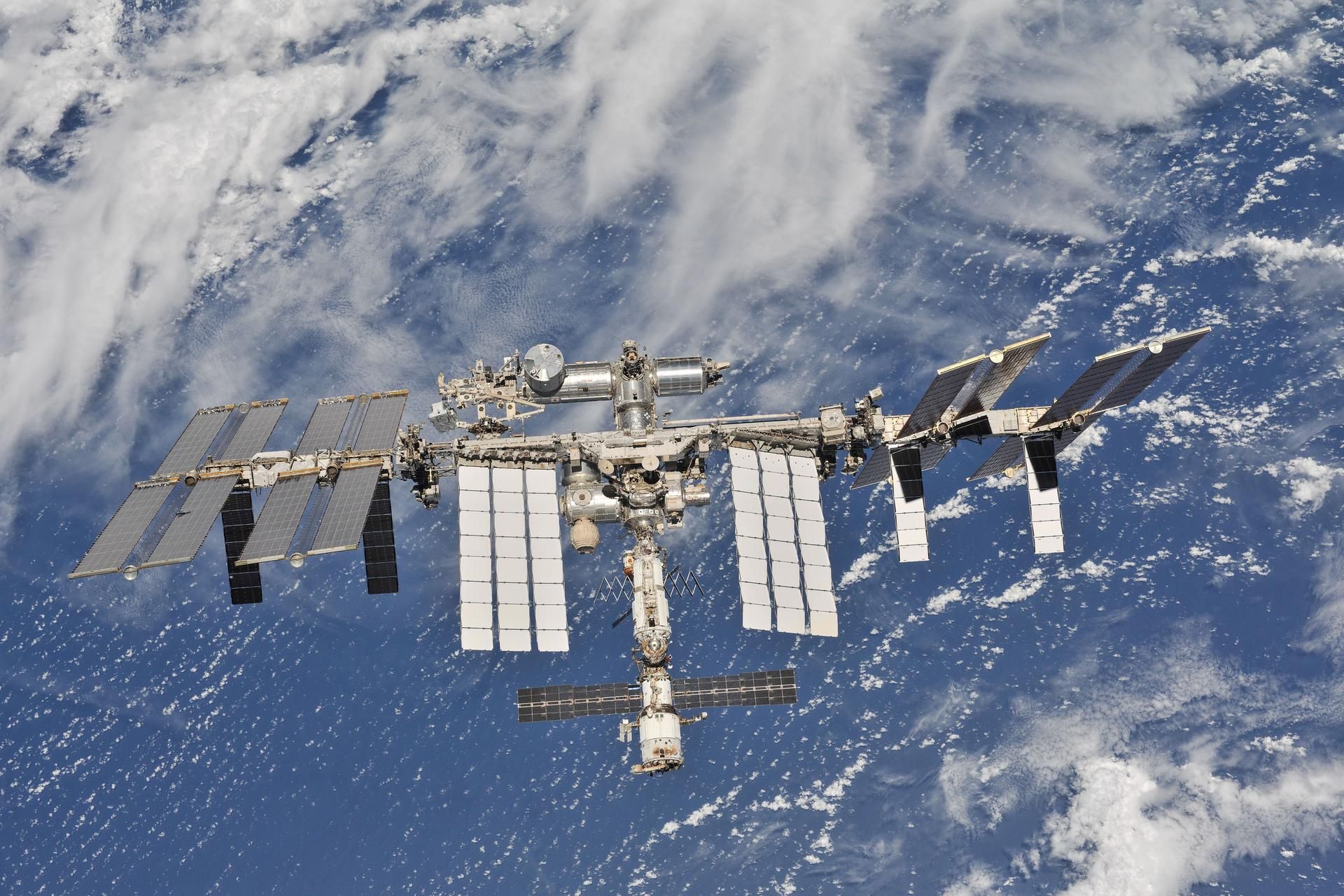
As presently blueprinted by NASA, the International Space Station will be de-orbited via a series of actions. Firstly, in early to mid-2028, the ISS will start to be lowered through a combination of Earth's natural atmospheric drag and the execution of re-entry maneuvers by the ISS's Russian segment. Then, in mid-2029, NASA plans to launch a SpaceX-supplied, government paid for, U.S. Deorbit Vehicle (USDV) and attach that craft to the ISS, which will fire its 46 Draco thrusters and push the station down to a watery grave.
But there's one issue that has ecology experts concerned. The Ocean Foundation, a Washington, D.C.-headquartered group with a mission to improve global ocean health and the human relationship with the sea via carefully chosen strategies and projects, says the planned deorbit of the International Space Station "raises serious concerns for ocean health that the space community has not adequately grappled with," according to Mark Spalding, president of the foundation.
A just-issued U.S. Government Accountability Office (GAO) report has focused on issues related to NASA's plan to bring down the International Space Station (ISS) and transition from the ISS to commercial space stations, namely NASA's concern about having a "gap" in continuous human presence in low Earth orbit.
The GAO report explains that, at the end of 2030 or early 2031, the USDV is to perform a re-entry burn. That would push the ISS through the Earth's atmosphere and into a pre-determined spot – an ocean zone called Point Nemo.
"As part of the reentry process, NASA expects portions of the ISS and deorbit vehicle to break up and fall into the remote part of the ocean to minimize the risk to populated areas," states the GAO report.
But as for using Point Nemo or any part of the ocean as a convenient dumping ground, Spalding told Space.com that "there is a troubling structural gap in international law that the ISS de-orbit throws into sharp relief."
Under the Space Liability Convention of 1972, if space debris falls on another nation's territory or damages property, Spalding said, the launching nation owes compensation - absolutely and without needing to prove fault. "But no equivalent protection exists for the ocean," he said.