// ARS TECHNICA — SPAZIO & SCIENZA
Here's what we know about the "space academy" Trump just announced
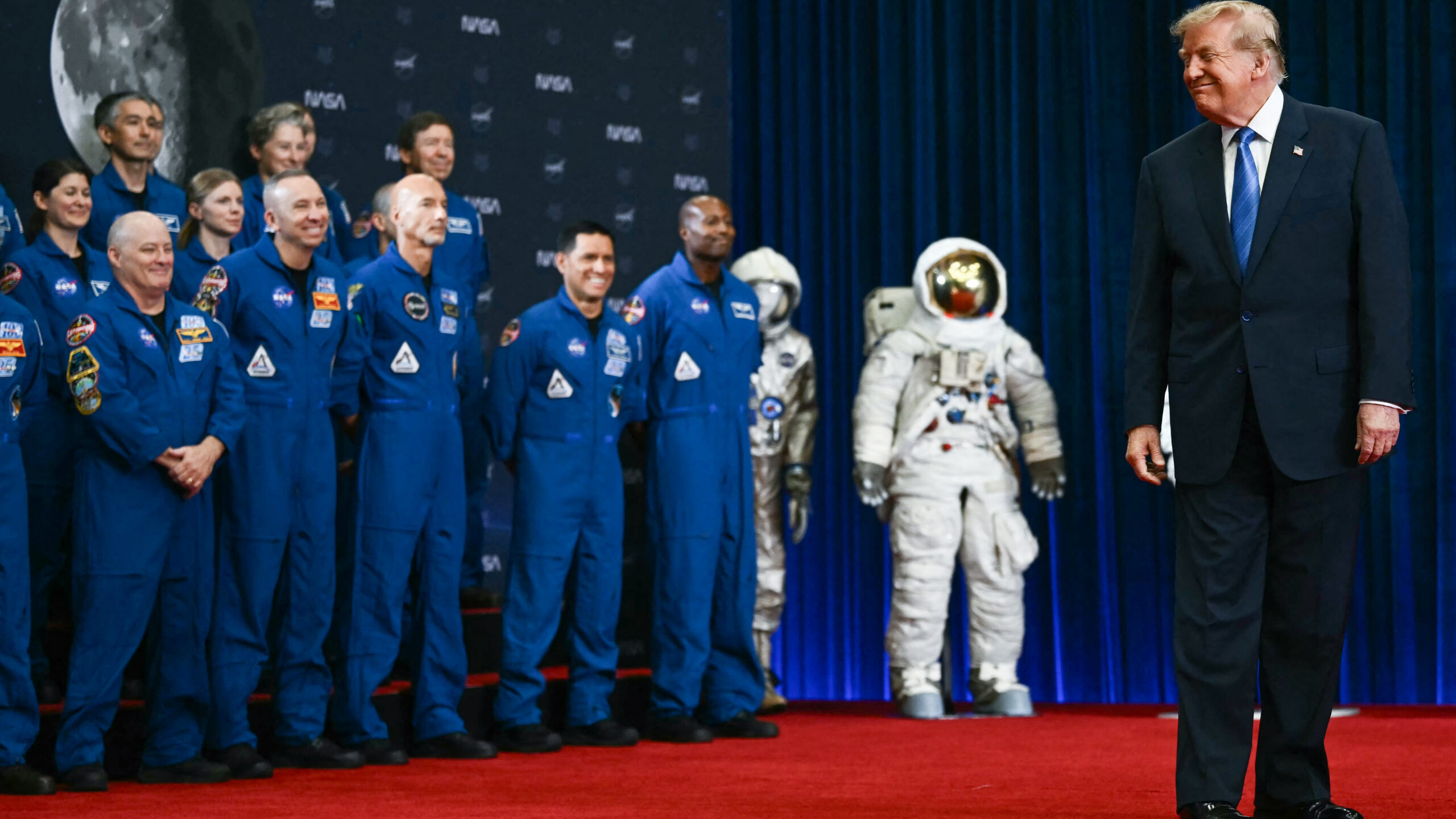
“It’s called the US Space Academy. That’s a big deal.”
During a visit to Johnson Space Center, President Trump on Friday signed an executive order to establish a new commission with the purpose of creating the first national space academy.
“It’s clear that we will need to educate and train an entire generation of skilled service members, engineers, and civil operators, and everything else to do what we have to do,” Trump said. “I will sign an executive order to begin the process of creating a new national academy. It’s called the US Space Academy. That’s a big deal.”
The proposed United States Space Academy would fall under the jurisdiction of NASA, and according to US space officials, is not intended be a traditional service academy in the sense that it educates and trains officers for the armed services, such as the Air Force Academy.
Trump signed the executive order as part of a ceremony in Houston during which he awarded the Congressional Space Medal of Honor to the four astronauts who flew on Artemis II earlier this year.
This initiative is being spearheaded by NASA Administrator Jared Isaacman, who included the development of an “academy” to seed the future NASA workforce as part of his Project Athena plan to revamp US civil space efforts.
The goal is to create a top-tier educational institution with free tuition and, in return, graduating students to fulfill a service commitment of several years. Graduates will have the choice of going into the US Space Force, but the majority of slots will be allocated to NASA and civilian positions, according to people familiar with the project.
Isaacman has been seeking to modernize NASA and help the space agency find its way at a time when the US commercial space industry is taking an increased role in the types of activities—launch, crewed spaceflight, space stations, lunar activities—that were once the sole province of the space agency. Isaacman has sought to increasingly lean on the commercial industry where it is excelling and focus NASA resources on cutting-edge initiatives, like developing a base on the surface of the Moon.
The academy idea remains in its formative stages but is likely to include curricula that cover human and non-human spaceflight operations, ground control operations, space vehicle design, orbital debris mitigation, and related disciplines. The goal is to create a new generation of technical leaders who can support ongoing exploration efforts, both in commercial spaceflight and in ensuring that the US government maintains a global lead in doing hard things in space.
This would be an entirely new academy, perhaps similar in design to the US Merchant Marine Academy, which is based in Kings Point, New York. Students would apply after high school for admission and be taught by leaders in both the civil and commercial spaces. Students would earn a four-year degree. No location has been chosen for the academy, but it may be near existing NASA facilities or workforce expertise. “I’m going to be choosing a location very shortly,” Trump said Friday.