// SPACE.COM — SPAZIO & SCIENZA
Who was Nancy Grace Roman? NASA's next big space telescope is named after the 'Mother of Hubble'
When you purchase through links on our site, we may earn an affiliate commission. Here’s how it works.
The Nancy Grace Roman Space Telescope is about to launch on an incredible adventure to help scientists explore the great mysteries of the universe. But who was Nancy Grace Roman?
You might have heard about the upcoming launch on Sunday morning (Aug. 30), which will send NASA's next flagship space telescope up to investigate everything from dark matter and dark energy to far-off worlds beyond our solar system. But do you know who the telescope is named for? This observatory will be an absolute powerhouse for astronomy, and its namesake is perfectly fitting.
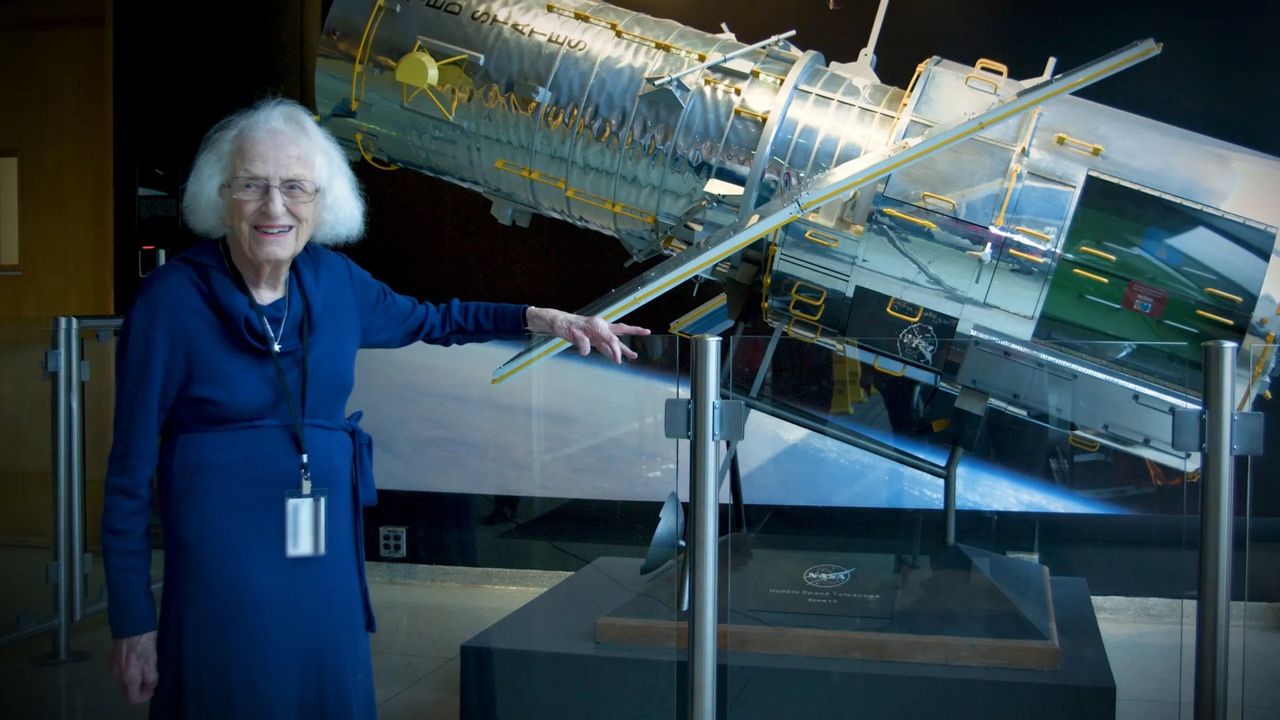
Nancy Grace Roman was the first-ever chief astronomer at NASA and the agency's first female executive. She created NASA's space astronomy program in 1959, just one year after the agency was created. She laid the groundwork for modern astronomy and played a critical role in making missions like the Hubble Space Telescope happen, a feat that earned her the nickname the "mother of Hubble." In short, Nancy Grace Roman was a trailblazing scientist and leader whose work has made modern space science possible. But let's dig a little deeper.
Roman was born on May 16, 1925. Her mother was a music teacher and her father was a geophysicist. Over the years, Roman would often attribute her early interest in science to influence from her parents.
"I teasingly have blamed my mother for getting me interested in astronomy, because
I can remember up in Michigan she used to take me out at night and show me the
constellations and the aurora and things like that. But she also showed me birds and
trees and animals and plants and that sort of thing, so it wasn't just astronomy," Roman said in a 1980 interview with David DeVorkin. That conversation took place just a few years after Hubble formally began development and a decade before the space telescope would launch (though at this time, Hubble was still called the "Large Space Telescope").
Roman's passion for astronomy grew, and, at age 11, she started an astronomy club with classmates. In addition to getting her friends involved in her astronomical interests, she spent her time checking out books from her local library in a quest to learn as much as she could. As she put it, she "read everything I could get my hands on." And by junior high, Roman had already decided to become an astronomer.