// ENGADGET — INTELLIGENZA ARTIFICIALE
Google Home Speaker review: A modest update for the Gemini era
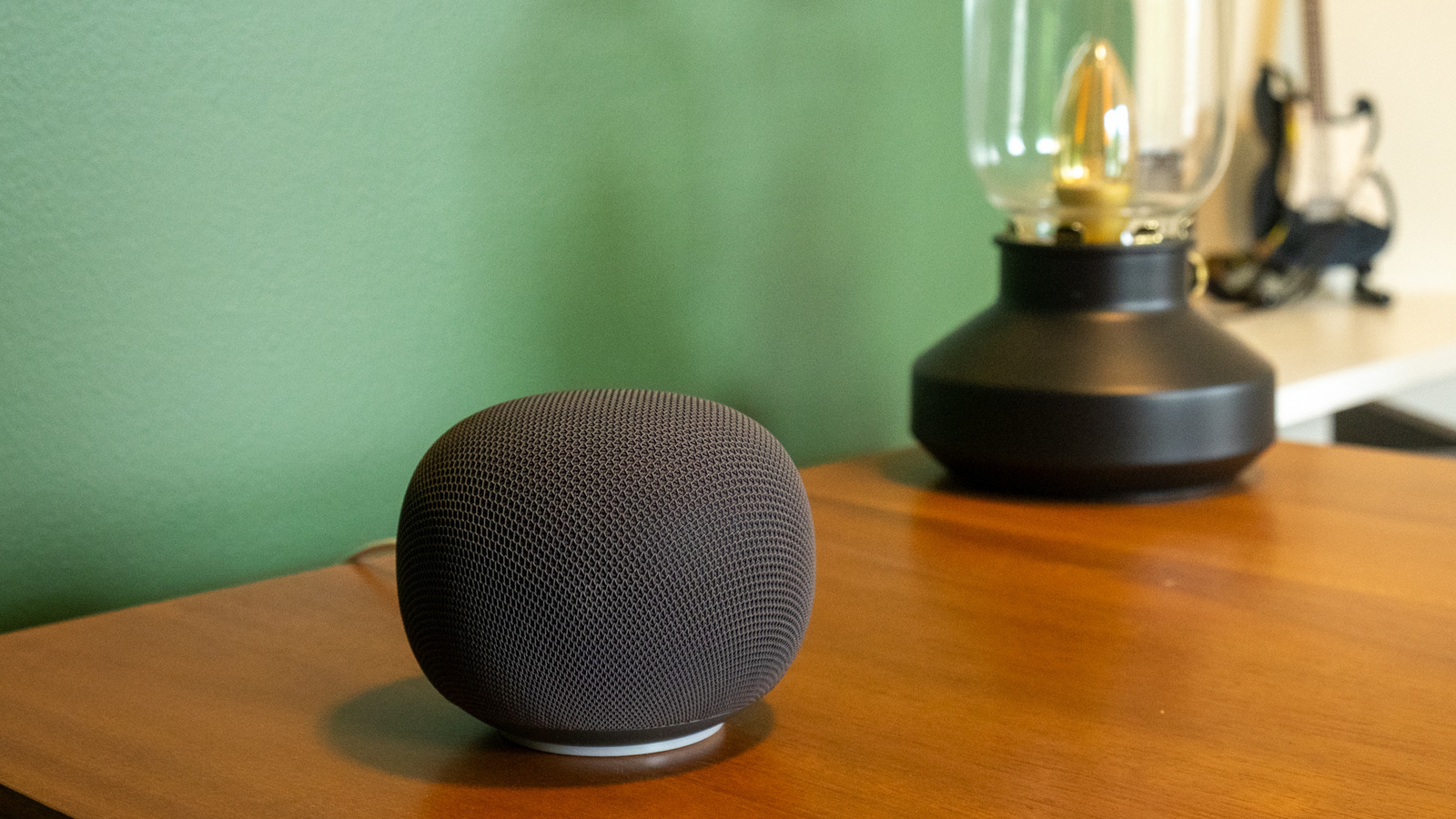
The question is whether Gemini is a good enough smart home assistant.
Somehow, it's been almost nine months since Google first revealed its latest smart speaker, the boringly-named Google Home Speaker. I don't understand why it took the company so long to get it to market, as there's nothing that particularly changes the game here hardware-wise. The $99 orb looks a lot like Apple's HomePod mini, with a speaker that fires audio in 360 degrees and microphones so you can chat with Google Assistant Gemini for Home.
It's the definition of an expected, iterative piece of hardware — but on the other hand, it's been almost six years since Google released the Nest Audio and seven since the Nest Home Mini. Given that timeframe, Google is overdue for some updated hardware, just to make sure the "smart" part of the speaker stays current. The bigger question is whether or not Gemini for Home is a good enough assistant to run your smart home.
The Google Home Speaker replaces both the $99 Nest Audio and $49 Nest Mini, so Google effectively doubled the price of its entry-level speaker. That's a bummer, but the Google Home Speaker provides a massive upgrade if you care at all about audio quality. The Google Home Speaker is slightly wider and significantly taller than the Nest Mini and comes in four colors: the standard off-white and dark grey along with pinkish-red berry and light green sage.
That extra space in the new speaker gives it room for a 58mm driver (compared to 40mm in the Nest Mini); Google says the larger component provides 2.5x stronger bass. I don't have a Nest Mini anymore to compare it to, but I never wanted to use that speaker for anything besides quick and casual audio playback. There's no doubt that the Google Home Speaker is an improvement there.
Compared to the Nest Audio, though, it takes a step back. The Nest Audio had a dedicated tweeter as well as a 75mm woofer. That speaker wasn't a world-beater, but for its price I thought it performed quite well. You could say the same about the Google Home Speaker, despite its less robust speaker array — it's a totally viable option for filling small- or medium-sized rooms with good quality audio. It doesn't compete with something large (and more expensive) like the Sonos Era 100, but it is significantly louder than the HomePod mini and has a stronger bass presence. It's comparable to Amazon's recently-released Echo Dot Max, which also costs $99.
Of course, this speaker is not just for playing music. Like its predecessors, the Google Home Speaker has three far-field microphones to let you chat with Gemini. It also has a stylish light ring around the bottom that lights up and changes color when you talk to it, when it is thinking and when it responds. It's very much like the light ring on older Amazon Echo speakers, and I prefer it to the new lights on the latest Echos or the four lights that lit up on the front of the Nest Audio. It's a nice visual touch for sure. The speaker does have familiar touch controls on top — tapping the left or right sides adjusts volume, while tapping the middle pauses and resumes media playback. So far, the microphones have no trouble picking up my voice across the room or over the din of music or conversation, either.
While the hardware itself is an unassuming, logical update, that's only half the story. Google's previous speakers were designed with the Google Assistant in mind, but this one is the first explicitly meant to work with the new Gemini for Home voice assistant. As the name suggests, it bakes in Gemini AI features, but there are some wrinkles beyond that. Google is also offering two different subscription options for managing your home, the $10/month (or $100/year) Standard plan and the $20/month ($200/year) Advanced option.
Standard gives you 30 days of "event-based" video history from cameras or doorbell cams; Gemini Live for more interactive conversations with the virtual assistant; alerts for things like familiar faces on camer