// NATURE NEWS — SPAZIO & SCIENZA
Landmark pancreatic cancer drug shows potential against lung cancer too
Heidi Ledford reports for Nature from Seattle, Washington.
Search author on:
PubMed
Google Scholar
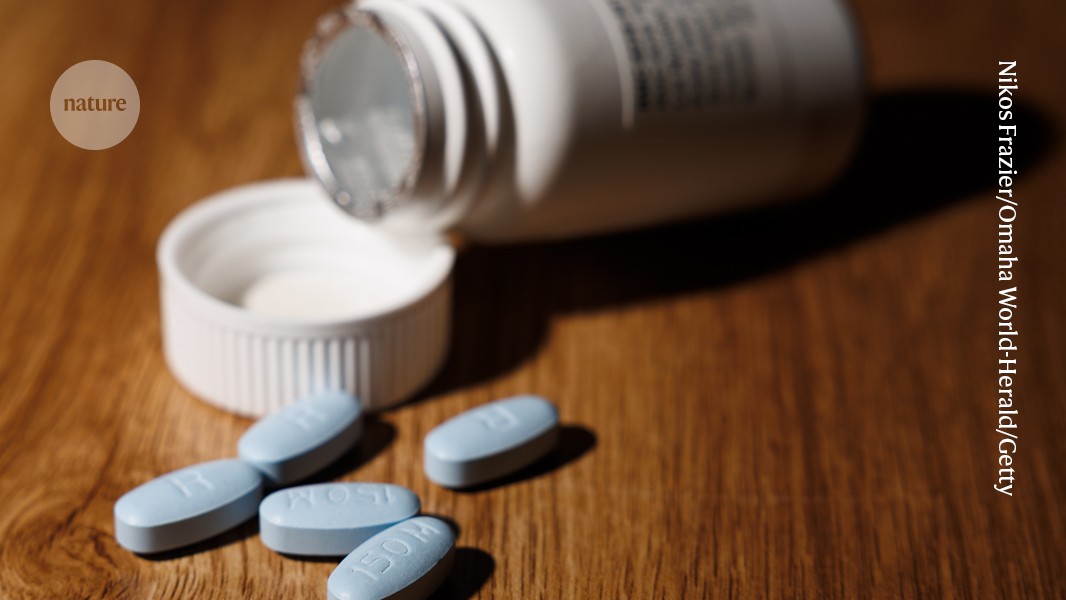
The drug daraxonrasib interferes with the activity of a family of cancer-causing proteins.Credit: Nikos Frazier/Omaha World-Herald/Getty
Just one week after the landmark US approval of a game-changing drug for advanced pancreatic cancer, the same therapy is showing promise against the world’s biggest cancer killer: lung cancer.
In a small clinical trial of the drug daraxonrasib (Rasonque), tumours shrank in more than 30% of participants with the most common form of lung cancer, non-small cell lung cancer. Each participant had a tumour-promoting mutation in a member of the RAS family of proteins, and had previously tried other therapies.
“We consider the results incredibly promising,” says Kathryn Arbour, a thoracic oncologist at the Memorial Sloan Kettering Cancer Center in New York City, and an author of the study, which was published today in the New England Journal of Medicine1. “These are exciting times.”
Never smoked? Good, but you could still get lung cancer
A larger study in which participants with non-small-cell lung cancer are randomly assigned to receive either daraxonrasib or standard chemotherapy is underway. Regulators such as the US Food and Drug Administration (FDA) are likely to require results from that trial before approving the drug as a lung cancer treatment.
That larger trial will also give researchers a better understanding of how long the effects of daraxonrasib last before tumours develop resistance to it. In the smaller trial, some participants’ tumours began to grow again after initially responding to treatment. “We’re really just now learning about the resistance mechanisms,” says Arbour.
RAS proteins are mutated in some of the deadliest cancers, including many pancreatic, lung and colorectal tumours. These proteins were once considered ‘undruggable’ because it was difficult to design compounds that could bind to and inhibit them.