// PC GAMER — GAMING
Fumito Ueda on why Gen Atlas has shooting but isn't a shooter, cool robots, and generative AI
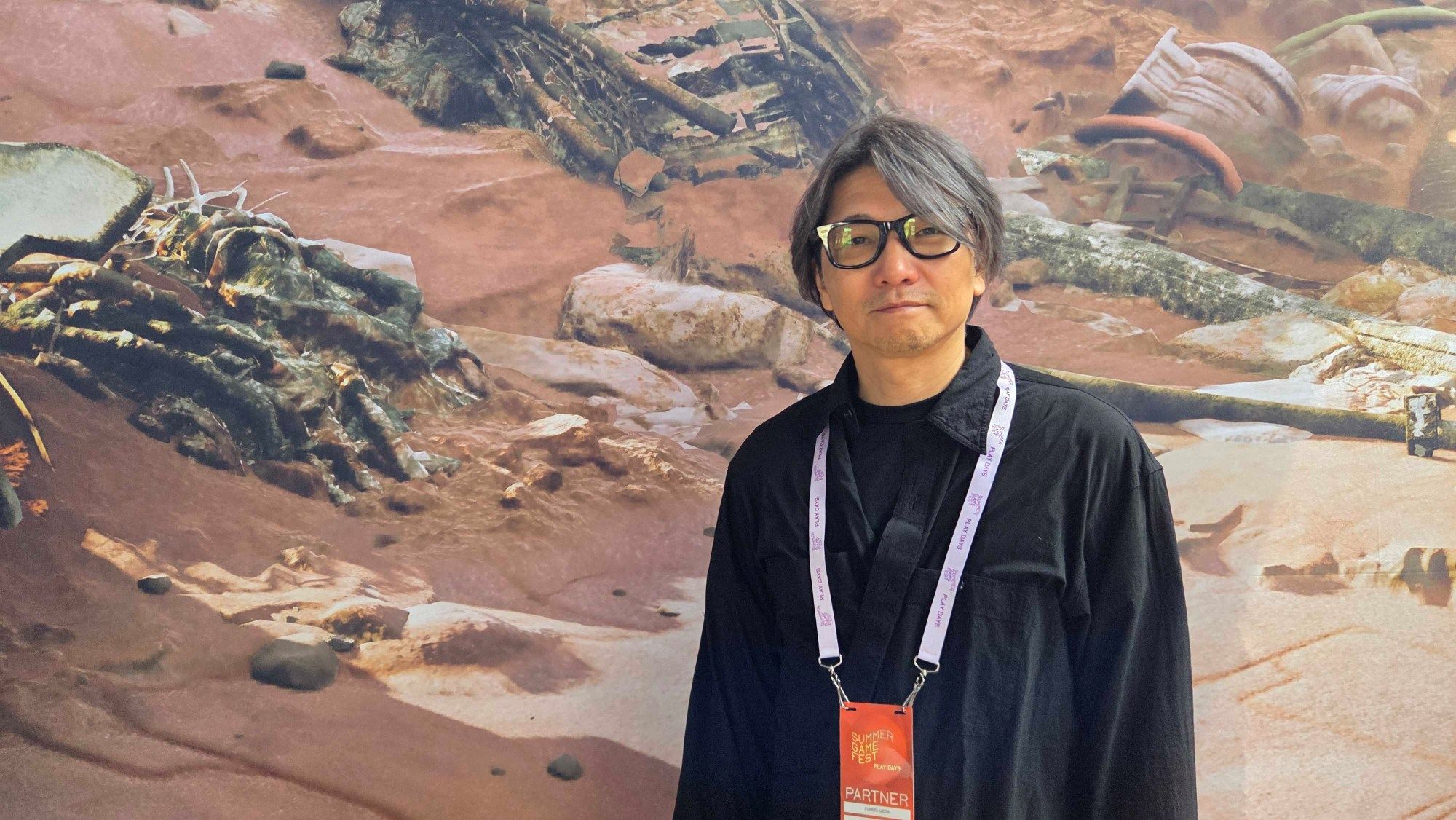
"It's not to score points, but it's there so that it matters, and you feel that you do exist in that world."
When you purchase through links on our site, we may earn an affiliate commission. Here’s how it works.
I've seen more of Gen Atlas, the new game from Ico and Shadow of the Colossus creator Fumito Ueda, than was on display in Friday's trailer. But not much more. In a meeting with Gen Atlas's developers and publisher Epic Games on Sunday, I saw just another minute or so of the game's so-far silent protagonist wandering the desert; more colossal robots; a bit more shooting; and a lot more sand.
It was tantalizing, but the kind of footage that simply created more questions than it did provide answers. But the real purpose of the meeting was speaking with Ueda about the development of his studio's new game—the first in a decade, and the first he's ever released on PC.
Epic's publishing team introduced it as a "whole new sci-fi adventure that has all the hallmarks of a classic Ueda experience," so that's where I started.
What, for you, defines a 'classic Fumito Ueda experience?' When you think about the experience you want to deliver to players, what is that, in Gen Atlas?
Fumito Ueda, director: "For me, the first thing that is important, and what I think defines a Fumito Ueda game, is that it's something different and unlike anything else available in the market. Not that it needs to only be unique, but in totality, the uniqueness also needs to be balanced within the game experience. Secondly, it's important to me, and I hope signifies what is a Fumito Ueda game, is that this experience is something you can only see, and can only be built, because it's a videogame.
In Shadow of the Colossus, I remember the moment it transitioned from cutscene to camera control shocking me. The way it looked and felt—no other game felt that way at the time. You used filmic language in a way that was not common in games then, but is much more common now. You were ahead of the curve, but for you now, what is the secret sauce when other games have caught up to that cinematic presentation?
You just asked me a great question because it's a difficult one for me to answer. I consistently think about how I can bring in something unexpected. It's an element of surprise, but I don't think about it in a way that's just for impact's sake. It has to be unexpected but also at times sort of familiar. Let's say there are default or given standard-ish game mechanics across many games. Because I know that's very familiar and comfortable to a lot of players, I don't just take it as-is. I want to continue to refine it.
Keep up to date with the most important stories and the best deals, as picked by the PC Gamer team.