// SPACE.COM — SPAZIO & SCIENZA
Moore's law tells us that the price of technology should go down over time, so why is stargazing gear getting more expensive?
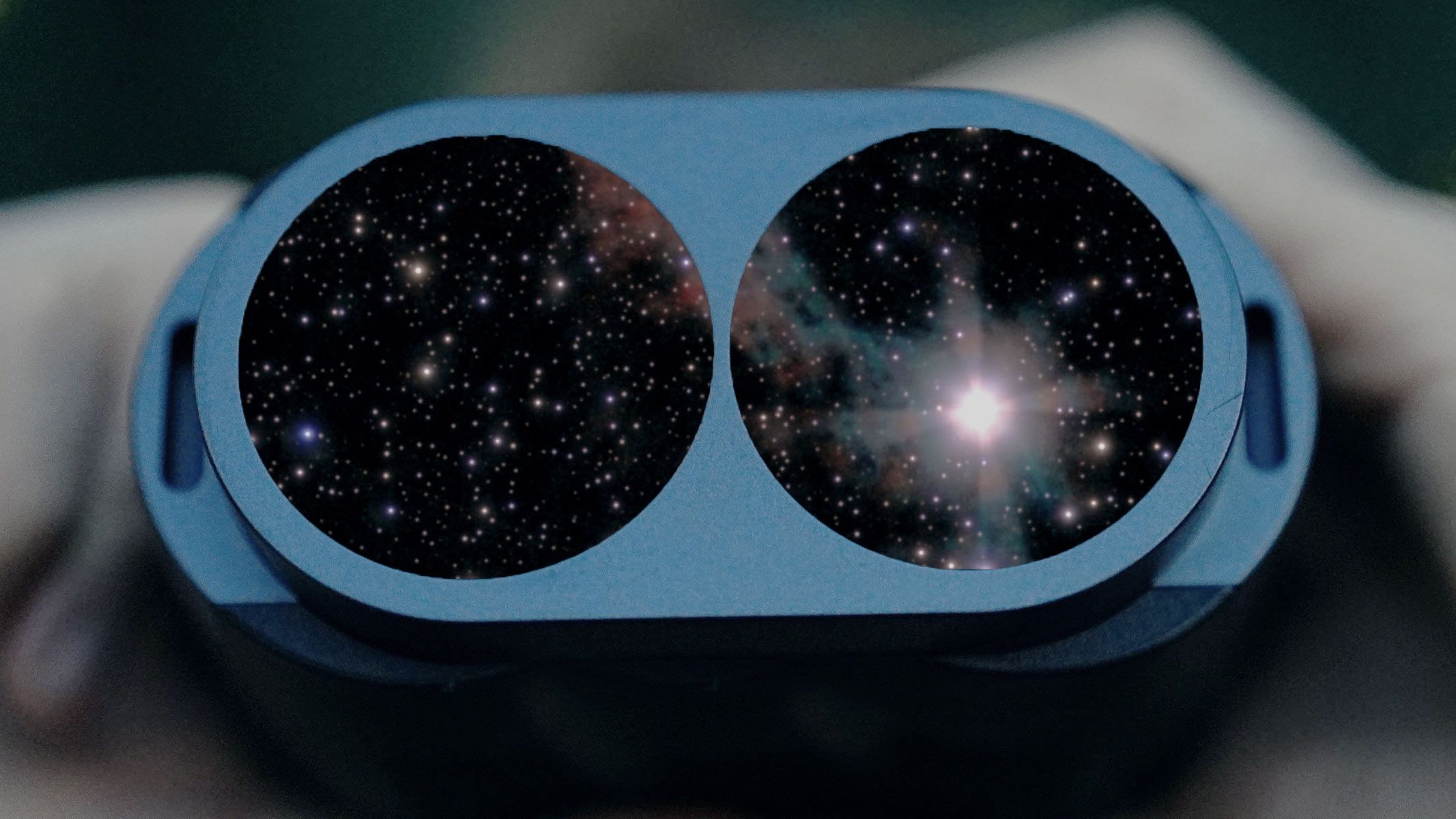
With the prices of the newest smart telescope and image-stabilized binocular models running into the thousands, older models should be cheaper, but we are seeing a range of different factors at play affecting prices from the top to the bottom.
When you purchase through links on our site, we may earn an affiliate commission. Here’s how it works.
Intel co-founder Gordon Moore observed that processing power doubles every two years whilst almost halving in cost. That should translate to older technology dropping in price and year on year seeing the cheapest prices in the sales, right? The reality is far from simple in the world of skywatching.
For stargazers who have dipped their toes into the world of binoculars and telescopes, prices stack up quickly and even one purchase can wipe out thousands of dollars. Now, there are levels to stargazing equipment, budget models like a Celestron Travel Scope 70 telescope and a pair of Celelestron Cometron 7x50 binoculars will run you between $50-$100 but don't expect the best optical performance. At the complete other end of the scale are premium options like smart telescopes and some image-stabilized binoculars which can run from just under $1,000 all the way to $5,000. There are obviously plenty of in-between models but whichever option you pick, you are still seeing a big chunk of money go out of the bank account when purchasing.
Sales events like Prime Day and Black Friday are the usual contenders for getting a good chunk of money off a big purchase. Prices fluctuate throughout the year but I would be inclined to say that the best prices on big purchases have been around Black Friday. Take this Unistellar Odyssey smart telescope, which is 15% off for their Father's Day 2026 sale, it had its last cheapest price on Black Friday 2025.
Save $390 on our best smart telescope for versatility, thanks to its small form factor and light weight compared to the rest of the Unistellar line-up. It has autofocus and doesn't require collimation, so it is the perfect smart telescope for a beginner.
It got four and a half stars in our Unistellar Odyssey review thanks to its great views of deep space objects and good color rendition on astrophotography shots.
Does that mean you should wait until then for a guaranteed lowest price? It depends. If you are not in a hurry to get it and are happy to wait, then I would advise you to wait and see if you can get it cheaper. Although waiting for too long just means more time not using the instruments and observing the night sky. You could also fall into the trap of waiting too long and missing out on the best deal available at that time.
Take the Celestron Nexstar 8SE; it's currently $200 off, but this is a frequent reduction for this product. Its last cheapest Amazon price was in October 2025 with $300 off but that is a far sight from its cheapest ever Amazon price of $882. If you had kept waiting after seeing this saving, thinking it might get cheaper, you would have missed out on getting it at over $800 off its current full retail price. Bear in mind, this was in Dec. 2019 and a lot has happened since then. Demand for skywatching optics exploded during the COVID-19 pandemic, with people staying at home more and looking for outdoor hobbies. Pair this with rising US-China trade tariffs and general inflation and you have conditions for a huge price increase on these kinds of products. There was also a huge $32 million class action settlement reached in 2025, resulting from a legal battle involving major telescope manufacturers and brands following allegations of price fixing and artificially inflated costs.
Save $200 on the best motorized telescope in our best telescopes guide. We rated it four and a half stars in our NexStar 8SE review.