// ENGADGET — HARDWARE & GADGET
The differences between Dolby Digital, DTS and Atmos (and which is better)
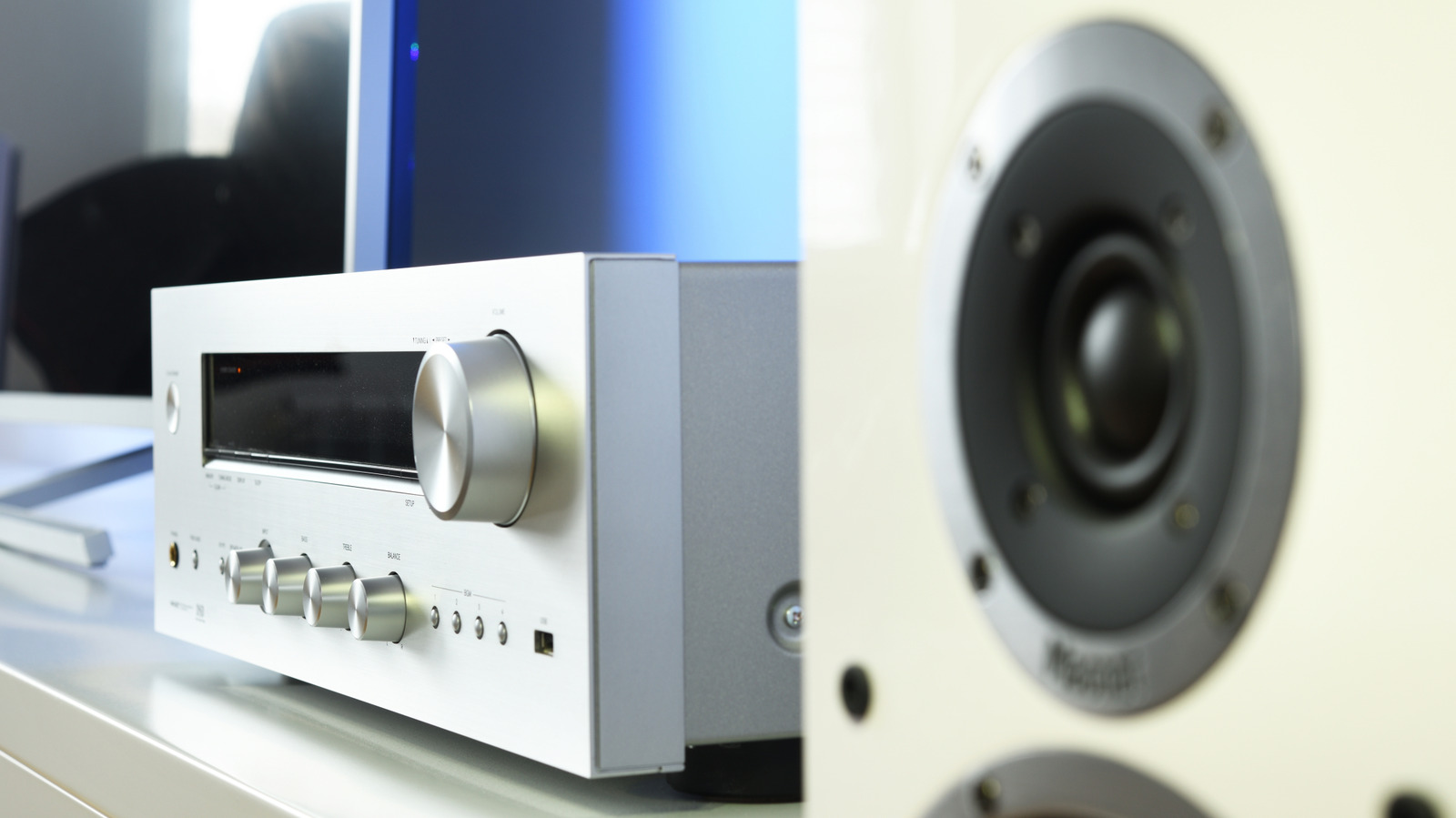
How to decide which of these surround sound formats is best for your home theater.
If you've been down the rabbit hole of home theater audio, you've likely encountered the world of surround sound audio formats. The two main players, Dolby and DTS, can be found in some of the best home audio gear and each offer multiple standards, and the differences can be opaque at first blush. So, what are the differences between Dolby Digital and Dolby Atmos, and what makes DTS:X unique compared to DTS?
DTS (short for Digital Theater Systems, the name of the company which owns the technology) has been a longtime competitor to Dolby formats, with Dolby first throwing down the gauntlet with Dolby Digital during the early days of home theater surround sound, and now with Atmos as spatial audio takes the cutting edge. Emerging with the move from analog to digital home video, both Dolby Digital and DTS aimed to deliver theater-style surround sound to the living room. DVDs were able to deliver channel-mixed sound using either format, a major boon for those who had invested in home theater systems.
Those early versions are now outdated. With the rise of 3D, object-based mixing, in which each individual sound within a mix can be tracked spatially rather than directed to channels (adding a Z-axis to the previously 2D mix), we now have Dolby Atmos competing against DTS:X. But while both technologies aim to deliver a similar audio experience, they have different pros and cons, as well as different levels of support that can affect which one is the better choice for you.
The holy grail of tech is a single specification to rule them all. But in practice, that almost never happens. To accommodate different use cases, both Dolby and DTS offer multiple formats, and differentiating between them isn't simple. Spatial formats aside (covered further down), the main differences come down to the way each codec compresses the audio stream.
Beginning with traditional, 5.1 and 7.1-channel surround sound, Dolby offers Digital and Digital Plus, respectively. These are both lossy formats, meaning they drop some detail compared to the original audio master. Dolby Digital Plus is the baseline audio format for many streaming services. DTS Digital Surround competes against these, and is also lossy, though slightly less so.
DTS-HD Master Audio and Dolby TrueHD are a step up. Both are bit-perfect, lossless formats, which makes them quite a bit more data-intensive. As a consequence, they are typically included on 4K Blu-Ray discs but not streaming services (this is why audiophiles with expensive home theater setups tend to prefer physical media over streaming). Even so, DTS-HD Master audio is technically more detailed, delivered at up to 24.5 megabits per-second (Mbps) with a sample rate of 96 kHz at 24 bits of depth compared to Dolby TrueHD, which maxes out at 18 Mbps with a sample rate of 96 kHz and 24 bits of depth when in an 8-channel configuration or 192 kHz and 24-bits when in a 6-channel setup. You should not give a single hoot about these differences unless you've invested enough money into your home theater sound system to fund a small startup, but if that's you, DTS-HD is worth pursuing.
Dolby Atmos has strict technical requirements that can make porting it from a theater to your home challenging. When installing a proper Dolby Atmos speaker setup, you need to mount some of them on the ceiling in order to properly hear the Z-axis of the spatial mix. You'll need at least two and up to four top-mounted speakers for full height imaging. Soundbars with Atmos from companies like Samsung attempt to circumnavigate that requirement by firing some of their sound toward the ceiling and bouncing the audio waves back down to the listener. But as many have found out the hard way, this requires very flat ceilings without any lighting fixtures, and even then, it can disappoint because your soundbar doesn't know how high your ceiling is. Ultimately, Dolby Atmos is the best