// HACKER NEWS — CYBERSECURITY
I can't stop thinking about Papua New Guinea
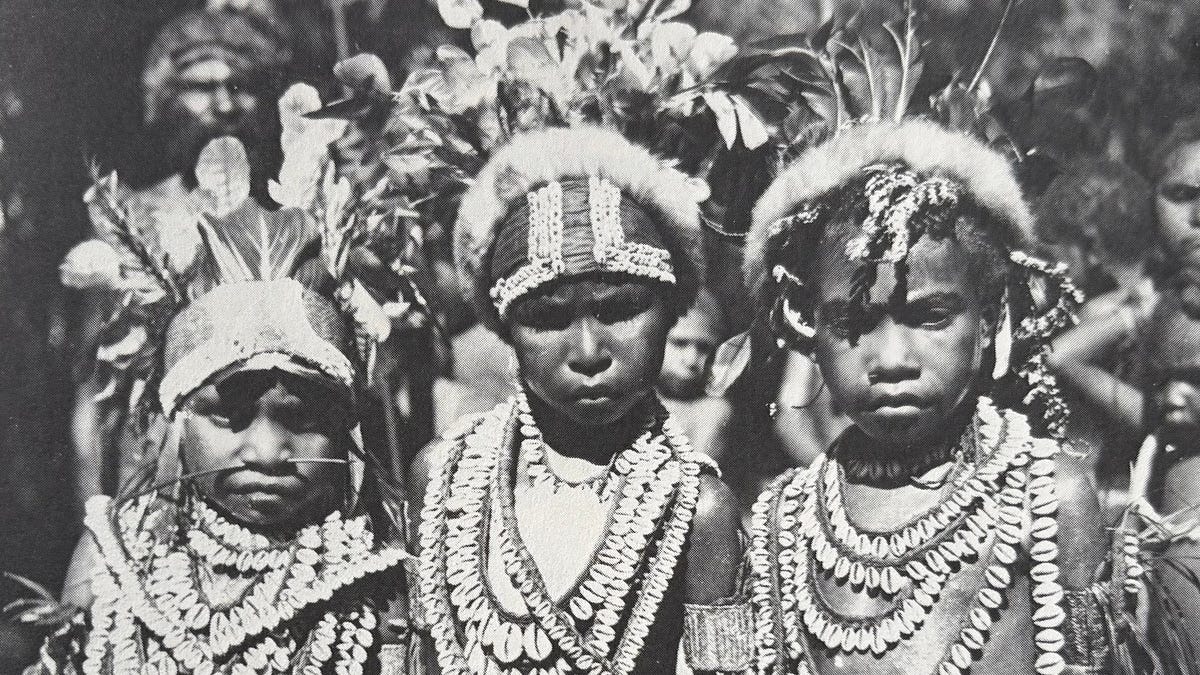
When you talk about Papua New Guinea, people may say, oh, is that the place where:
There are nearly distinct 1000 languages spoken, about 12% of all the languages on earth, and by far the most language diversity in the world
Nobody is sure if its population is 10 million or 17 million
They were having bow and arrow battles as late as 1963:
People still shoot arrows at each other in urban centres
The capital is the most dangerous city in the world
They practice cannibalism, and Michael Rockefeller was likely eaten there, and maybe Joe Biden’s uncle too - and one group ate their dead relatives’ brains at funerals so consistently that they gave themselves a mad cow type disease called kuru, which killed a large percentage of their population and then, within a few generations, evolved a genetic mutation that protects against it, one of the fastest cases of natural selection ever documented in humans
Jared Diamond thinks the people there are genetically smarter than Europeans
But beyond these interesting tidbits, most people don’t actually have a conceptual understanding of what New Guinea is. Up until a few weeks ago, I had no idea either, until I randomly stumbled upon one of the most mind blowing books I’ve read in my life: First Contact: New Guinea’s Highlanders Encounter the Outside World, which describes the 1930 discovery of a million people living in the highlands of New Guinea—a group the colonial governments and local coastal populations had no idea existed, and who themselves had no knowledge of the outside world.
In 1930, the island of New Guinea was nominally colonized: the western half by the Dutch (now, Indonesia), and the eastern half (what is today Papua New Guinea) by Australia. Everything I say about the highlands applies to both halves. Despite this occupation, there was very little foreign governance or control in New Guinea.