// HACKER NEWS — CYBERSECURITY
Overreliance on AI contributed to missile strike on Iran school – Pentagon
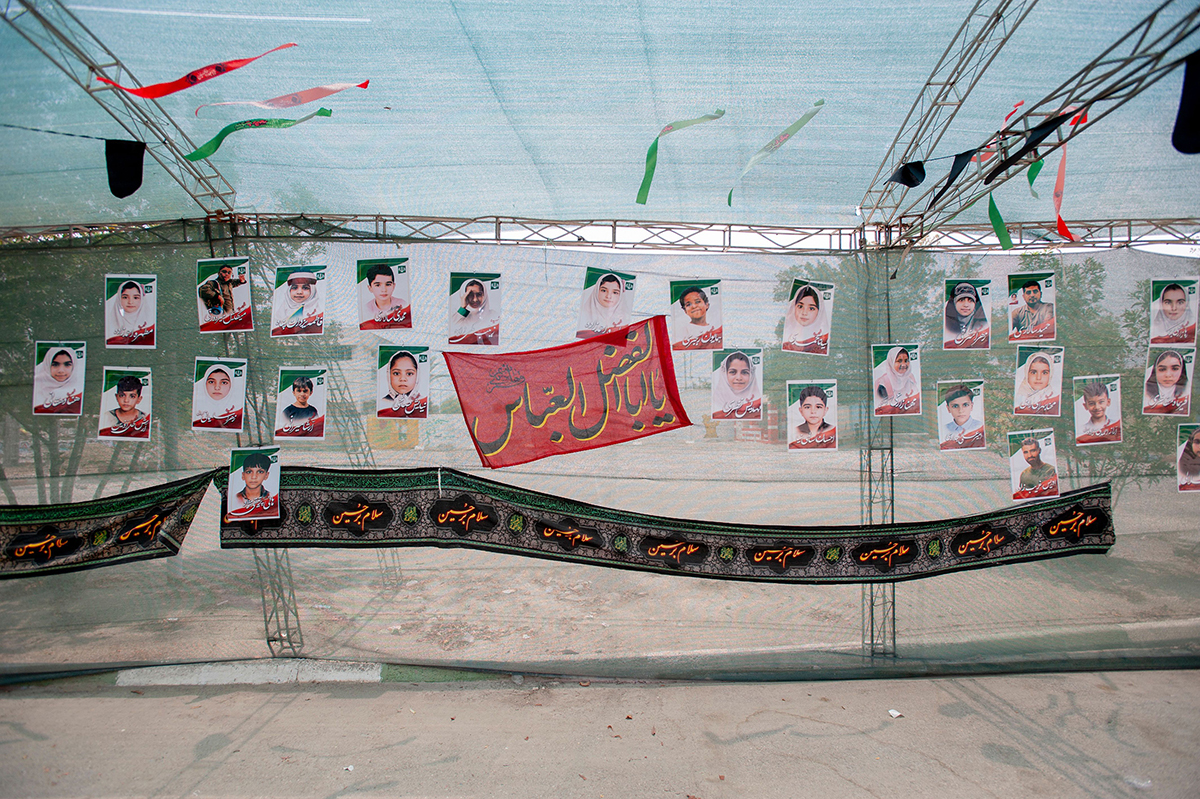
Within hours of a Feb. 28 missile attack that hit an Iranian school, some Pentagon personnel knew the US was responsible, according to officials involved in an internal investigation of the incident. That probe found what the officials now describe as a cascade of preventable failures.
Two Tomahawk missiles struck the Shajarah Tayyebeh Elementary School building and its grounds that Saturday, killing more than 150 people, including at least 123 children. The strikes devastated the two-story school, which was built on land that was part of a military compound in the southern Iranian town of Minab. In terms of child casualties, it’s the deadliest American military targeting error of the 21st century.
United Nations investigators said Thursday that there were reasonable grounds to conclude that the strike on Minab and another US attack that took place on the same day amounted to war crimes. The US has yet to publicly accept responsibility for the school strike, and President Donald Trump has previously suggested it was Tehran’s fault. As recently as July 14, he told Fox News, “I don’t think anybody’s going to ever be able to say what happened there.”
But in interviews, officials with direct involvement in the Pentagon’s internal investigation have offered some of the first accounts of the probe. The strike didn’t result from a single catastrophic decision but an accumulation of smaller ones, they said, and their review has identified a series of missed opportunities to prevent the disaster. The officials, like more than two dozen others who provided descriptions of targeting procedures or background information for this story, asked not to be named to discuss sensitive matters.
In the final days of February, the Trump administration demanded an overwhelming aerial assault. More than 1,000 Iranian targets were hit within the first 24 hours alone. That order compressed the time frame for finalizing targets, the officials said, instilling an urgency that — combined with gaps in underlying information about the site, cuts in civilian-protection personnel and an overreliance on artificial-intelligence technology — set the stage for the deadly error.
Full details from the probe remain tightly held. Officials who described it said they faced constraints on the amount of information they could share. Previous news reports have indicated that by early March, a preliminary internal review determined the US was likely responsible for the Minab strike.
A report on the full Pentagon investigation, which commenced in March, hasn’t been released — though the officials said it has been all-but-complete for several months.
Admiral Brad Cooper, who heads US Central Command and ordered the investigation, told members of Congress in May that he’s committed to providing transparency. Yet it’s not clear how much detail will be included, nor how much of the report ultimately will be released to the general public.
A Pentagon spokesperson said the incident remains under investigation and declined to comment further.
In response to questions, including about when the White House was informed that the strike was a mistake, a senior administration official also cited the ongoing probe and added: “The United States does not target civilians.”