// ARS TECHNICA — MODA & SOCIETÀ
XPRIZE Wildfire winners spotted fires within 10 min—but couldn’t stop them
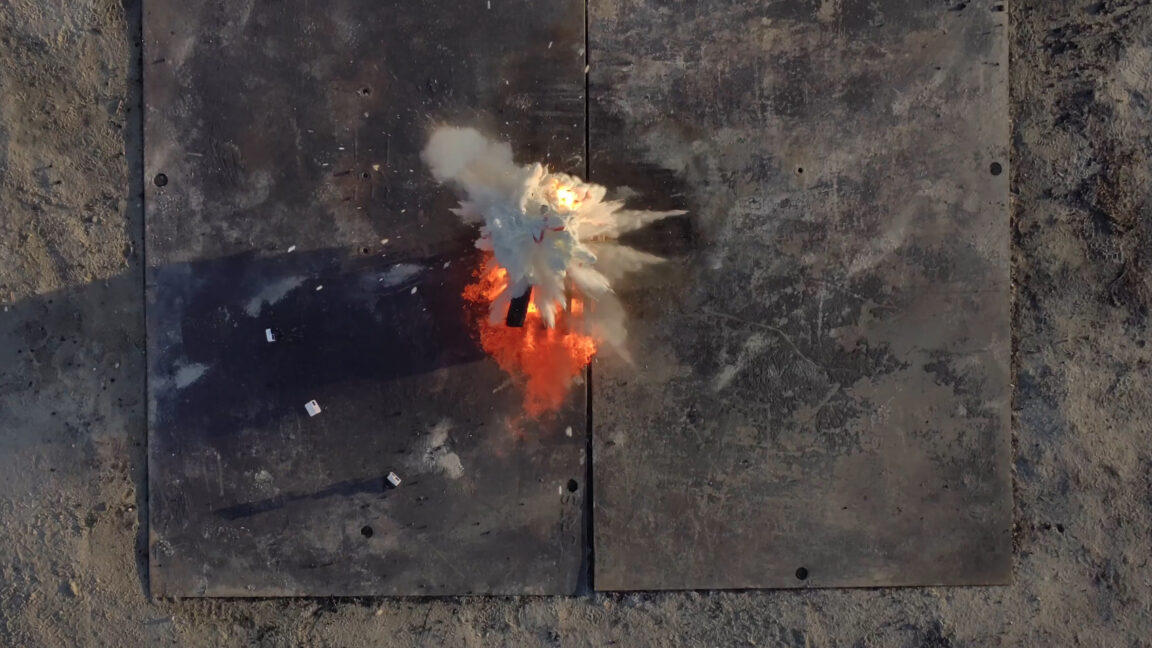
$11M competition showed wildfire detection is still easier than stopping fires.
Wildfire detection from space and firefighting drones featured among the finalists honored in the $11 million XPRIZE Wildfire competition. Although no team walked away with either of the two grand prizes, such technologies could prove helpful as the world grapples with the growing costs of worsening wildfire disasters.
The competition’s First Prize track for space-based wildfire detection challenged teams to accurately detect all fires across a large swath of Australia within 10 minutes. A second Autonomous Response Prize track challenged teams to autonomously detect and put out a high-risk fire located somewhere within rural Alaska while ignoring decoy fires—all within 10 minutes of the fire igniting.
“We want to be able to prepare and provide tools for firefighters to really allow them to do the best job,” Andrea Santy, program director of XPRIZE Wildfire, told Ars. “They’re great at what they do, but it’s unfair to continue to put them in harm’s way when there’s technology coming online that can help keep them safe, keep communities safe, and protect ecosystems.”
The competition saw 45 qualified technical submissions in the space-based detection track and initially drew more than 300 teams from around the world in the Autonomous Response track. The latter challenge, in particular, attracted a diverse array of proposed technological solutions in the early stages.
“At the very beginning, we saw things like sound being able to put out a fire, lasers, and all sorts of robotics like robotic dogs,” Santy told Ars. “We had ground systems and aerial systems.”
But as the XPRIZE Wildfire judges focused on the most practical solutions for finding and suppressing a fire in 10 minutes, they weeded out technologies that would have a harder time meeting the time and geography requirements.
“We want to be able to have technologies that can detect a fire before it’s detected by anyone else,” Santy said. “A 911 call is still the most typical way that we find out about wildfires, and on average, that’s going to be at least 15 minutes.”
A full list of winners can be found in the XPRIZE Wildfire press release posted on September 23. Ars spoke with Santy about the technologies behind the winning approaches and why ongoing wildfire disasters have only made the competition more relevant in recent years.
Space-based detection of wildfires can make use of multiple existing satellite constellations, but satellites designed specifically for spotting wildfires have just begun to come online. The German aerospace company OroraTech launched a dedicated wildfire detection constellation of satellites in March 2025, while the Google-backed FireSat program launched its first microsatellites in July 2026.