// PC GAMER — GAMING
Valve says it is 'definitely' investigating an Arm-based gaming future on top of its work on FEX
When you purchase through links on our site, we may earn an affiliate commission. Here’s how it works.
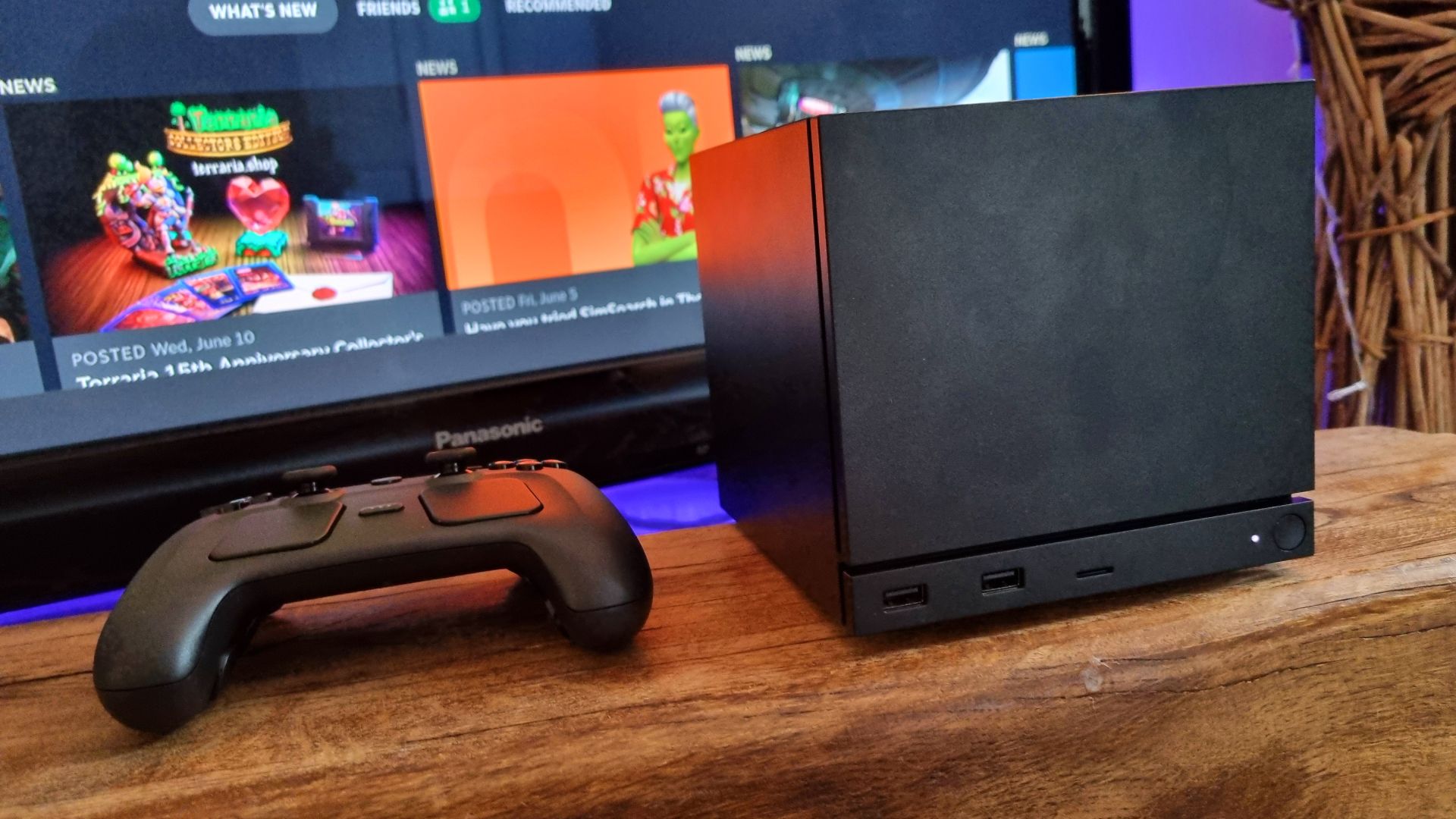
Arm chips are making increasing inroads into the realm of PC gaming. Valve is already all over the chip architecture, and is planning to launch an Arm-specific version of SteamOS alongside its Snapdragon-based VR headset, the Steam Frame, later this year. But what about the Steam Machine?
We asked Valve engineers Yazan Aldehayyat and Pierre-Loup Griffais whether Arm was in consideration for the Steam Machine 2. "Definitely, yeah," Pierre-Loup answered, "[In addition to our work on] things like FEX, we're just trying to be able to support everything, right?"
For those unfamiliar, FEX is a translation layer that allows games built for x86 architecture to run on Arm chips, similar to how Proton gets games made for Windows to run on Linux. Pierre-Loup adds, "If we have more options to pick from, and if users have more options to pick from [...] to play all the latest games in their back catalog library, they'll have a better outcome in terms of finding something that is cheaper for the horsepower that they need."
Arm chips are an enticing alternative to x86 CPUs for gaming PCs specifically. So, we may see something of a chip architecture slap fight before long (especially after Nvidia went all-in on a custom Arm architecture for their RTX Spark lineup). Many game developers are also already working on Arm game ports, and wholly Arm-native versions; our Dave was especially impressed to see an Arm-native version of Alan Wake 2 running on a pre-release model of Microsoft's Surface Laptop Ultra earlier this year.
On the subject of the Steam Machine and potential follow-ups in an Arm-based future, Pierre-Loup says, "When we're designing a system like that, we're just like users: Picking parts, trying to figure out what makes sense. So for us, yeah, things like FEX and the work that we've done on SteamOS and Proton are more like catalysts to get to a better outcome in terms of price performance, and all that—for sure, we would consider any platform."
Mind you, don't expect an Arm-based follow up any time soon. Though Valve has said that the Steam Machine won't have "as long of a timeframe" as the Steam Deck, new models are constrained by "a matter of when it makes sense to [upgrade], at what price point, at what time, on what games are available."
The memory supply crisis has had a significant impact on more things than the game box's price, with Valve even unsure whether it was gonna have any Steam Machines to sell at the start of 2026. Bearing in mind the RAMpocalypse likely won't ease until maybe 2028, we're unlikely to see a sequel any time before then.
Keep up to date with the most important stories and the best deals, as picked by the PC Gamer team.
Jess has been writing about games for over ten years, spending a significant chunk of that time working on print publications PLAY and Official PlayStation Magazine. When she’s not investigating all things hardware here, she's either constructing a passionate defence of a 7/10 game, daydreaming about her debut novel, or feeling wistful about the last time she chased some nerds around a field with an oversized foam sword.