// PC GAMER — GAMING
Dressmaker is a serious seamstress sim with a lot of love stitched into the finer details
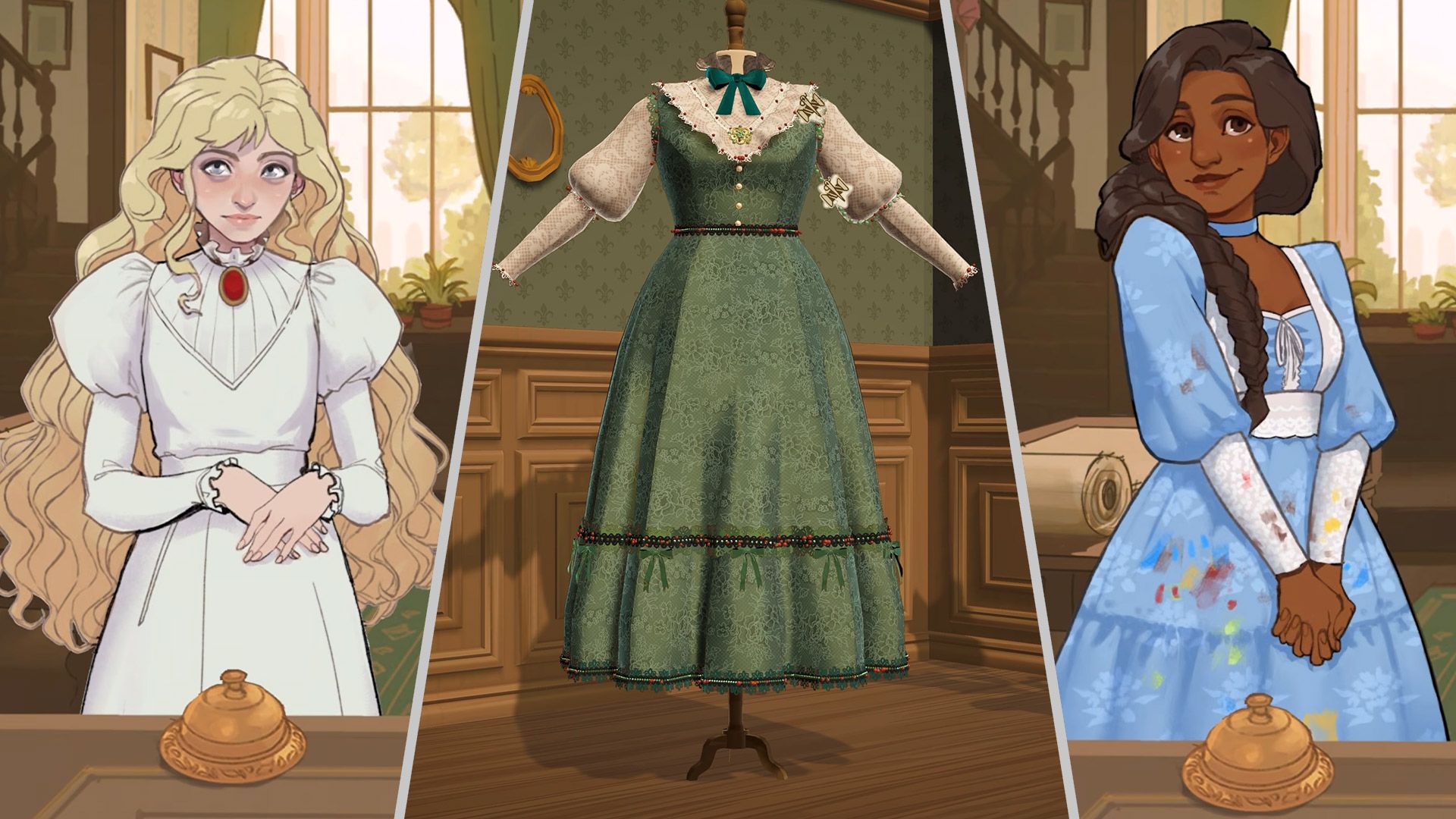
Here are my five favorite features from the sewing game.
When you purchase through links on our site, we may earn an affiliate commission. Here’s how it works.
I picked up sewing as a hobby in college and, in my youthful cockiness, skipped the pillowcase-and-curtain phase. Instead, I dove right into extravagant cosplay and Renaissance dresses, and most of my first attempts were not fit for the human body. I'm sure some of that hubris came from watching my grandmother make sewing look so easy when, in reality, it requires patience, precision, and a blood sacrifice.
But that's what leads me to Dressmaker—a cute and cozy hardcore seamstress sim that respects the technical skill the craft demands while making it accessible to the inexperienced. It's genuinely a good place to start if you're mildly interested in the craft but have never even picked up a needle.
You'll learn some seamstress lingo, make tons of cute dresses, and spend significantly less money than I did ruining countless bolts of expensive fabric. I've played a little over six hours, and I've already got a growing list of finely stitched details I adore.
Bothering to add just one measurement mechanic was impressive enough, but Dressmaker goes further than simply measuring a client's chest, waist, and hips. You'll also have to adjust the dress form itself so the fabric hangs properly once it's pinned.
I ignored instructions about cutting along the bias and fabric grain when I first picked up sewing, and some of my stiff garments made that obvious. Dressmaker doesn't let you commit the same design sins. There's no throwing a pattern down on that expensive taffeta all willy-nilly. You've got to align pieces based on the pattern's instructions, so some require straight cuts while others use the bias.
Some fabric types are far more forgiving than others, but ignoring bias rules in real dressmaking can leave you with garments that stretch too much, don't stretch enough, or just look awkward. Try cutting fabric with a pattern on it while ignoring everything I just said about the importance of fabric grain. It'll make sense then.
Okay, so it's not actually calculus, but one thing you need to know about me is that math is none of my business. I am not willingly doing long division or counting without my fingers. I say all that while also claiming I love to sew, which involves some math. It's not like it's hard math or anything, but I hate to see a fraction coming.
Anyway, I think sewing conned me into liking the basics, at least a little bit. It's not a big part of the game, but I love that after taking my client's measurements, Dressmaker adds up how much fabric I need for the pattern. It can be a straightforward number you mostly ignore by buying enough of one fabric to cover the whole thing, or you can involve tons of different textures and patterns, so you won't need the same amount of cotton, chiffon, silk, etc.