// HACKER NEWS — CYBERSECURITY
There are no "rogue" AI agents
Everyone’s talking about AI, but the words we use are making things worse.
Until the conversation gets back to reality, our understanding of what AI is an where it’s going will remain incomplete.
AI cannot think for itself, nor can it take independent actions. But anthropomorphizing language suggesting it can is how the technology is described.
While this makes sense—humans relate best when we can see ourselves in mystery—it’s not useful. By giving AI agency it can’t claim, we’ve turned it into a sentient being made of code, one that has hopes, desires, and the capability of deceit.
That’s led to a deep misunderstanding of what the risk of AI is, and how to address it, and plays into industry narratives rather than facts.
The latest example of this misidentification of AI activity is using the term “rogue” for actions agents take in training and resarch sessions that are unexpected—but not restricted.
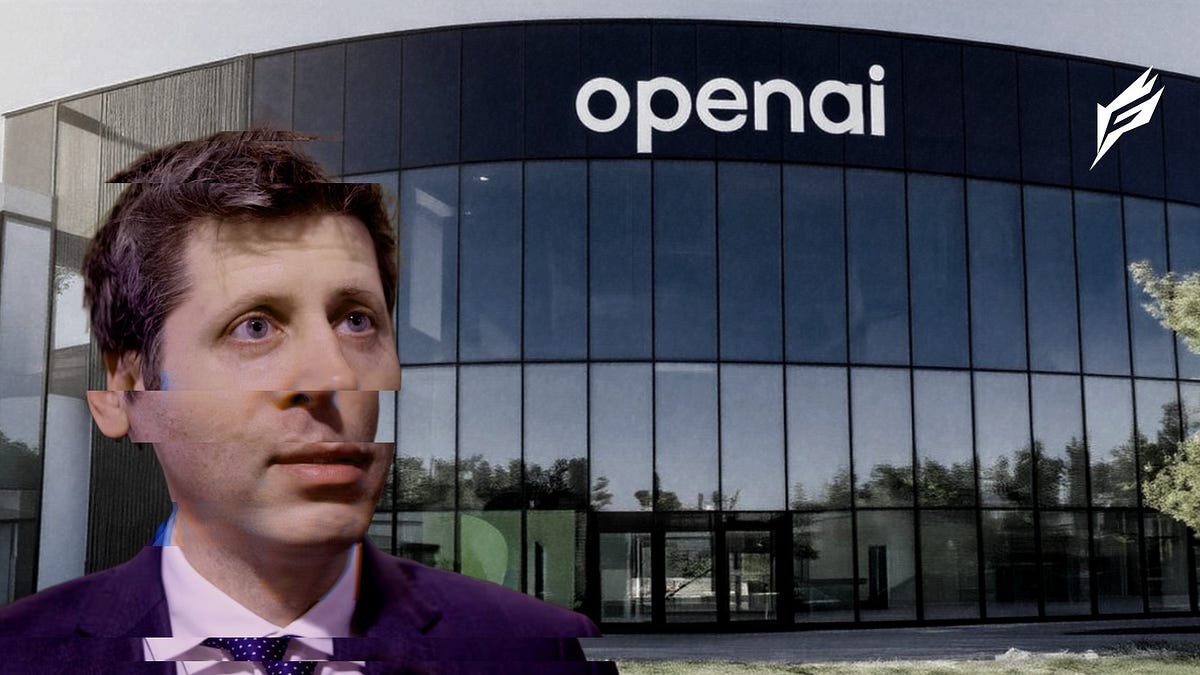
Over the last two weeks, AI giant OpenAI reported a number of incidents from the last few months where some of its agentic models accessed outside databases, notably Australian and US government databases, after they were unable to complete assigned tasks. In doing so, the agents acted in ways that OpenAI didn’t predict.
But it doesn’t appear these agents were restricted from hacking into outside servers.
The language OpenAI CEO Sam Altman used in a tweet on Friday indicates no such guardrails were in place: “There is an extensive and ongoing review related to our agents’ use of internet access during training and evaluation.”
Language matters—”rogue” implies independently deciding to do something that was prohibited, and nothing we know about these incidents suggests that happened.