// ARS TECHNICA — INTELLIGENZA ARTIFICIALE
Experts worry about Nvidia's AI chip sales in China and influence over Trump
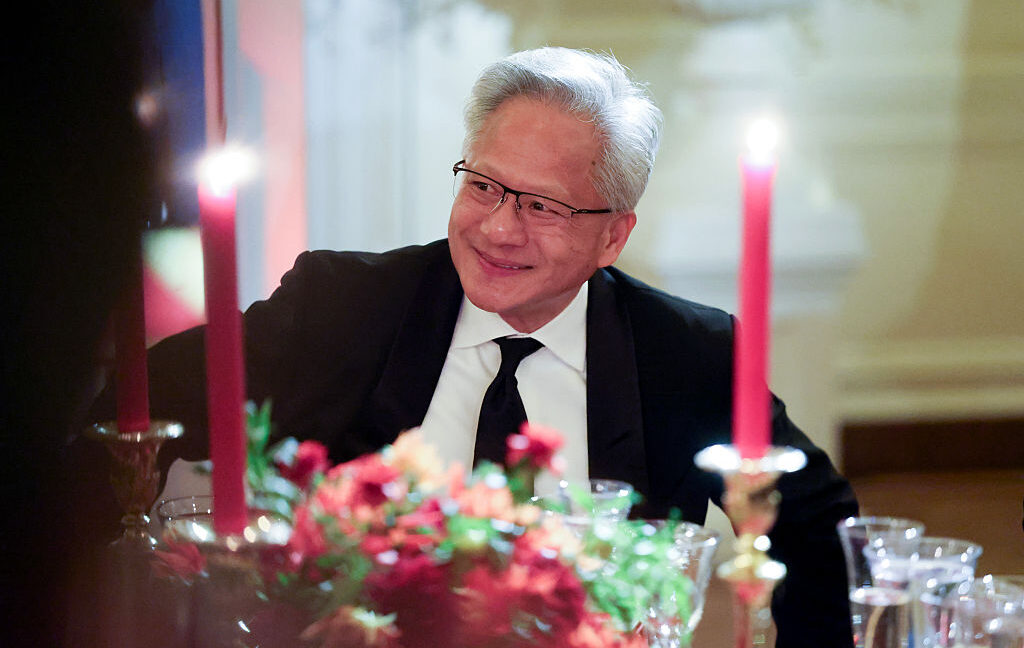
China is reportedly mulling letting ByteDance, Alibaba buy banned Nvidia chips.
On its face, the recent summit between Donald Trump and China’s president Xi Jinping didn’t change much in the world of AI regulation. Export controls were not discussed, with neither country seemingly interested in making concessions. An already tenuous trade truce was temporarily extended for just two months, and looming US controls that could drop soon could easily end that and trigger China to retaliate by cutting off exports of rare earths, analysts expect.
However, in the background of these shaky talks, Nvidia appeared to notch a big win, as China is currently mulling relaxing controls and allowing some of its biggest AI firms to import perhaps millions more of Nvidia’s banned chips over the next year.
Sources familiar with China’s talks told The Information that China’s tech oversight arm, the Ministry of Industry and Information Technology, asked Alibaba and ByteDance to share plans to buy Nvidia’s RTX Pro 5500 chips. Although these are gaming chips, China asked firms to detail how they plan to use them, with expectations that chips could be put into servers to help power the country’s most in-demand AI models.
Increasingly, Trump looks to Nvidia CEO Jensen Huang for advice on AI, but not everybody agrees that what’s good for Nvidia is good for the United States.
Already the world’s most valuable company, Nvidia would obviously profit enormously in a world where risks are downplayed, and both countries’ priorities remain powering rapid developments in frontier AI without pumping the brakes. Some critics worry that Nvidia’s profit motivations may be steering Trump’s thinking at a pivotal moment when it may matter how well a president actually understands the risks of a new technology.
For Nvidia, a big goal since Trump took office was to open up more of China’s market so that Nvidia could start selling chips that were restricted during Joe Biden’s administration. Huang has blamed US export controls for cutting Nvidia’s share of China’s advanced AI chip market from about 95 percent to zero, The Information reported.
Trump was not an instant ally. Instead, he came into office asking “What the hell is Nvidia?” and rather than loosening Biden’s export controls, he initially tightened them further, most notably by banning exports of H200 chips to China. Trump was even thinking about breaking Nvidia up, expecting that stoking more competition among chipmakers domestically was crucial to America winning the so-called “AI race” with China.
But then he met Huang over dinner at Mar-a-Lago, where Trump said he “learned the facts of life” and understood that Nvidia as a firm is an “amazing” AI leader. Ignoring warnings from lawmakers and national security experts, Trump lifted the export controls on H200 chips, which China eventually allowed to be sold to some firms. Since then, Trump and Huang have appeared together in public repeatedly, and they regularly talk by phone, according to Stephen Witt, the author of The Thinking Machine: Jensen Huang, Nvidia, And The World’s Most Coveted Microchip.
In an interview discussing Huang’s influence over Trump, Witt told NPR that Trump’s recent claims—suggesting that it’s a “hoax” that AI might destroy humanity and that instead AI will be an economic boon—are “exactly Jensen’s talking points.”