// HACKER NEWS — CYBERSECURITY
We’re forgetting what darkness feels like
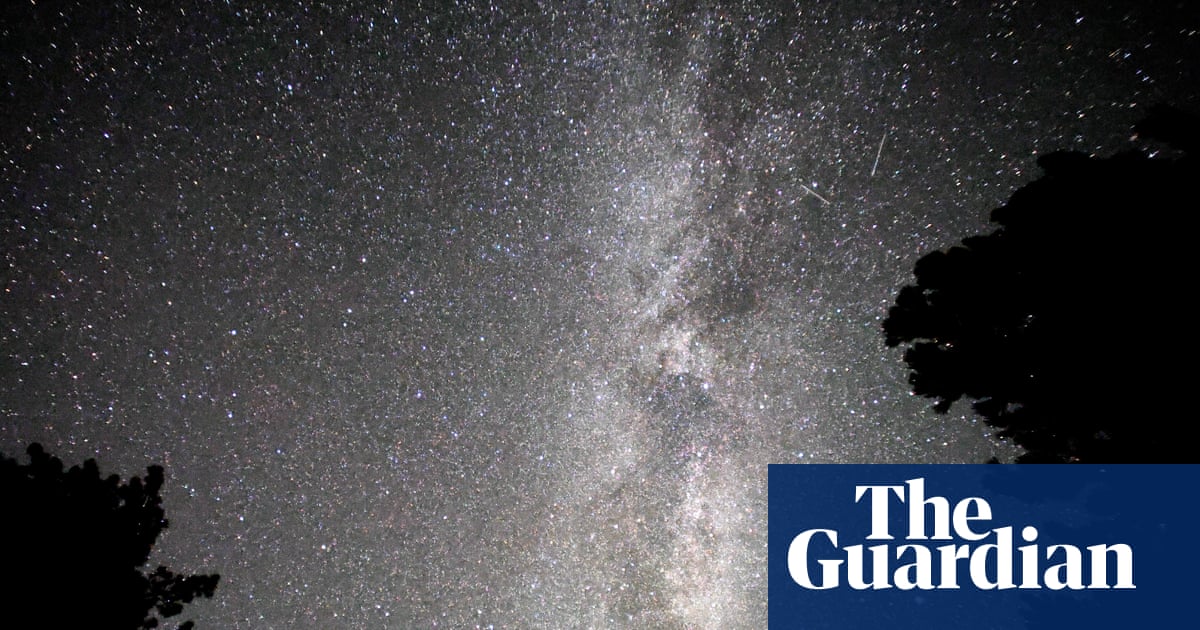
If more cities start regulating outdoor lighting, we humans could make the environment better for all living creatures
Every night, I can turn off the lights in my room – but I can’t do anything about the outdoor lights in the walkway or parking lot that leak through the curtains. Living in Portland, where the night is still illuminated by street lights, porch lights and parking lot glare, I forgot what it actually feels like to sleep in darkness.
I was excited when I realized my travels to a residency in south-east Oregon would show me a sky I hadn’t experienced in decades. In the Oregon outback, part of the International Dark Sky Places network, I would be surrounded by 2.5m acres of unpolluted night in every direction.
I sent out a note to the other residents asking if anyone wanted to look at the stars with me. Everyone said yes. Thirty minutes after sunset, we trekked through the tall grass and out on to the dry lakebed. Those of us with headlamps set them on red so we wouldn’t destroy our night vision. We laid down our blankets and looked at the night sky together. There, just over the hills, was Venus. Vega shone overhead. So did numerous satellites which we could tell weren’t natural by their movement. They were so bright my eye was constantly drawn to them.
As it got darker, more stars and constellations seemed to materialize: Ursa Major and Minor, Cygnus, Cassiopeia. By the time the Milky Way appeared, a band of light rising out of the night, we fell silent. We saw one shooting star and then another. I lay on my blanket and looked up until I felt small.
Every year, the night sky is becoming 10% brighter. Eighty per cent of people live under light-polluted skies. And while the UN declared a healthy environment – clean air, clean water – to be a human right, I believe we also all have a right to darkness as well.
This doesn’t mean turning off every streetlamp. But do we really need bright white floodlights at the front of every garage? Replacing lights with ones that are bright enough to do the job – and no brighter – might make it so I wouldn’t have to get in my car and drive for hours to see the night sky as it actually shines above us.
To preserve the darkness would mean rules and enforcement around the warmth of the lights, where they point, and how bright they can be. It would mean not putting in three lights when one would do. If we recognized that darkness is something we need, we’d become more careful about chasing it away.
Some communities have already done this. Flagstaff, Arizona, was the first city to have outdoor lighting rules, adding them in 1958. In 2001, Flagstaff became the first recognized Dark Sky City. Their rules regulate how much light can be used, what type, and where it can shine.
Other cities and towns in the US and abroad have followed. New York state is now considering a Dark Skies Protection Act, which would add restrictions on outdoor lighting – including some that would affect the city that never sleeps. All it takes to preserve the night near you is the desire to protect it with a new zoning law or, perhaps, a rule for how bright car headlights can be.