// ARS TECHNICA — MODA & SOCIETÀ
As US relations fray, Canada gets serious about its own launch industry
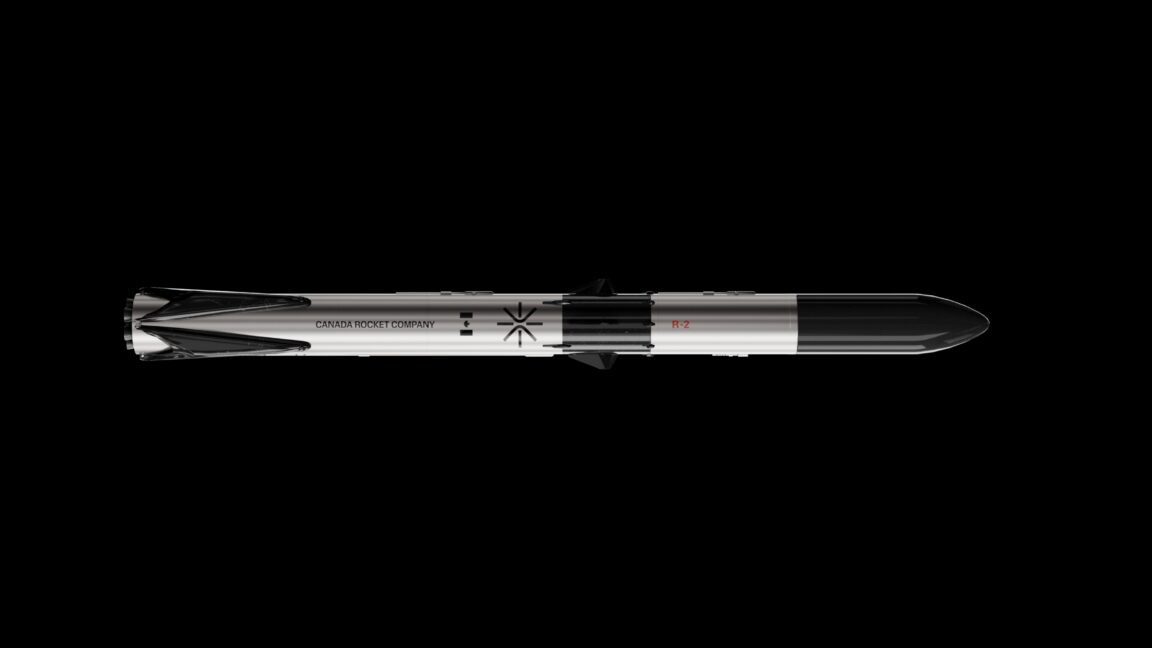
The Canada Rocket Company gets serious about medium-lift launch.
A year or two ago, a few Canadian launch companies were trying to develop small rockets, but if we’re being frank, the industry was not particularly notable. Sure, something interesting might eventually happen, but no one outside of a few Canadian space geeks was paying much attention.
But then the Trump Administration started threatening and instituting tariffs. There was talk of making Canada the 51st state. And pretty much every Canadian I know began telling me how enraged they were at their neighbors to the south. It’s hard to blame them.
This has led the Canadian government to reassess all manner of areas where it had previously been happy to rely largely on the US government and American companies for goods and services. This included sovereign access to space. So this spring, the government announced the first awards to three companies—NordSpace, Reaction Dynamics, and Canada Rocket Company—to support work on rockets with “light lift” capability.
The initial awards as part of Launch the North were modest, $8.33 million CAD, but the government has signaled larger awards in the future. Accordingly, one of these three companies, Toronto-based Canada Rocket Company, decided it would skip the small-rocket phase and move directly into a more ambitious medium-launch vehicle.
“The advice we got from having spoken with about 150 engineers, from the director of Starship engineering all the way down to some entry-level folks, is that you’re not going to be able de-risk a rocket development program by building a smaller rocket,” said Hugh Kolias, chief executive of the Canada Rocket Company, in an interview.
“From a technical perspective and an infrastructure perspective, essentially 90 percent of everything you do on that light lift piece gets thrown out the window, and it’s almost like a net new program,” Kolias said. “And everyone said, if you’re not going to try to commercialize light lift, then why even do it in the first place? And that kind of hit us relatively hard.”
So the company set its sights higher: developing the R-2 rocket, a fairly standard medium-lift vehicle that in renderings somewhat resembles SpaceX’s Falcon 9 rocket. There are nine methane-fueled engines, a gas-generator engine cycle, and landing legs that signal a future path toward reuse of the first stage. It could carry up to 12.5 metric tons to low-Earth orbit. If all goes well, Kolias said, the company could be ready to launch by 2032.
That would be fantastic, but is any of this realistic?
Maybe so, because the mood in Canada is angry. For decades, Canada has relied on the United States, broadly, for defense. Famously, in 1959, the Canadian Prime Minister canceled the Avro Arrow interceptor aircraft under development in the country. Since then, Canada’s aerospace industry has largely languished. The country’s satellites typically go to space on American rockets.