// 9TO5GOOGLE — MOBILE & WEB
Google Pixel 2 XL set the stage for a decade of ups and downs
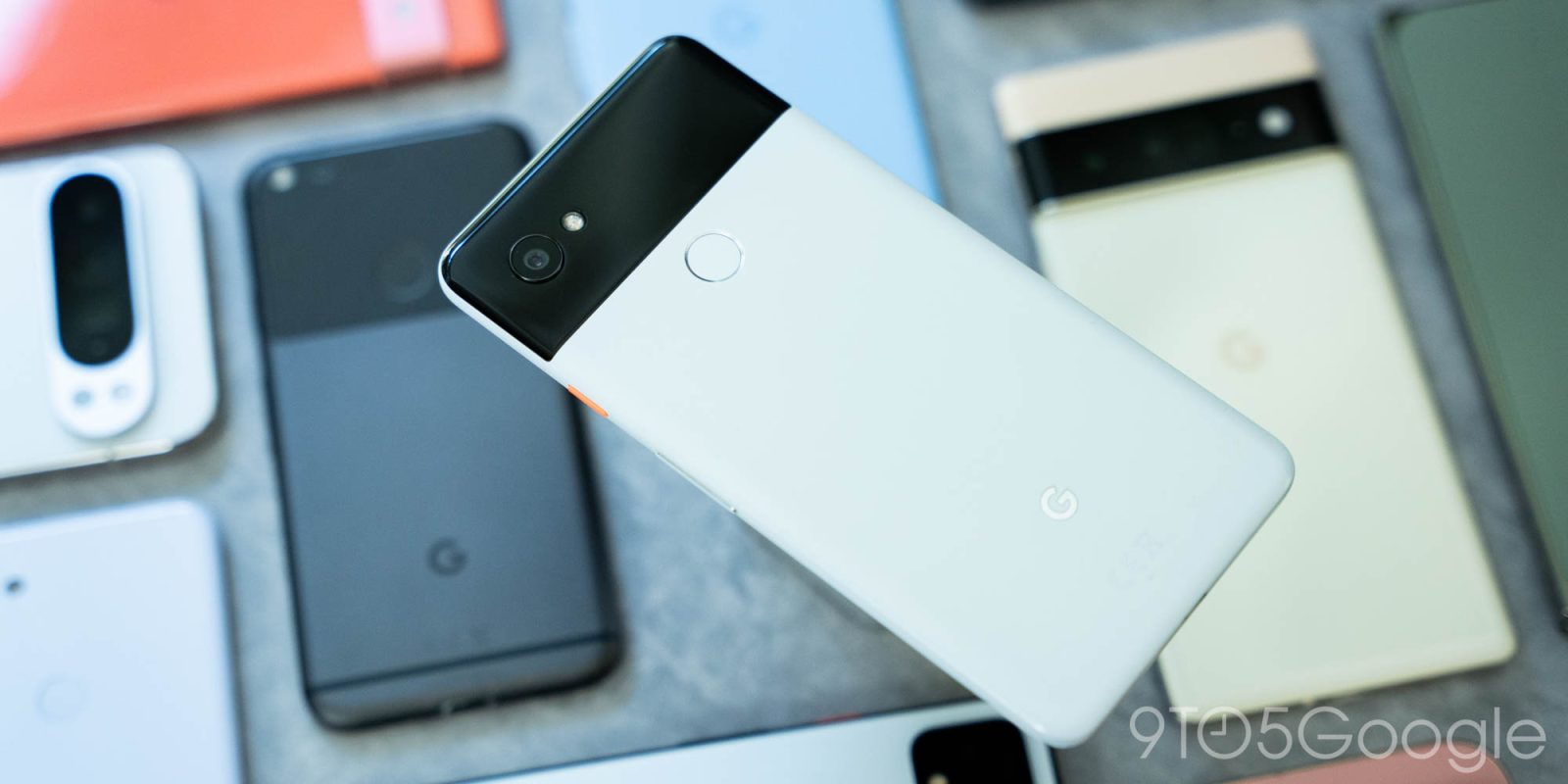
Google Pixel’s 10-year anniversary has me taking a look back at a bunch of the milestones throughout this lineup’s history and, when picking up the Pixel 2 XL, hindsight really kicked in as to how this phone was very much a sign of the tumultuous roller coaster that would become Google Pixel.
The original Google Pixel hit the ground running and really did a great job pitching itself. A stellar camera was the main selling point, but Google’s thoughtful software, well-designed hardware, and ecosystem as a whole filled in the bigger picture to deliver a product that, outside of minor gripes, was about as “perfect” as you could ask for from an initial debut in a product category.
The Pixel 2 and Pixel 2 XL both arrived with some welcome upgrades across the board, but it was also abundantly clear that Google made some serious missteps. The smaller Pixel 2 was a tame revision in basically every way and, outside of the mega-thick bezels, was still a perfectly fine phone.
While I can look back fondly now on many aspects of the Pixel 2 XL, it’s wild in hindsight that a company at Google’s scale, even nearly a decade ago, made such a massive blunder. The Pixel 2 XL’s overall hardware stuck the landing. The updated dual-tone design still has that iconic “Panda” look and the colorful accent button that lived on through prior generations, but the glaring flaw on this device was the display.
The LG-made panel was horribly inconsistent. In the best-case scenario, you’d get a panel with not-great viewing angles, slightly off colors, and burn-in issues. Worst case, a panel with a blue tint, black smears, and/or a grainy look. I still remember feeling like it was playing the lottery with buying this device and exchanging it to get a “good” one. Google tweaked this over time with software as well as by upping the warranty coverage, but it was still a huge problem with an otherwise great design.
And, in hindsight, that was kind of a signal of what was to come for Pixel as a whole.
The Pixel 2 XL tried something new and ultimately fell short, leading to a big correction the following year. Pixel 3 had a stunning display by comparison, and even to this day, Google has invested heavily in giving its phones some of the best displays you can find. The same pattern has been found throughout the lineup. New swings lead to new problems, with Google ultimately scrambling to make the best of it through software updates and making corrections later on. A similarly big problem came with 2020’s Pixel 6 series, with the modem in the first Tensor chip being truly terrible, but Google working to make the best of it in later software updates, only to iterate on the modem with each new generation to the point where, today, Tensor’s modem is roughly on par with anyone else in the ways that matter most.
Google Pixel remains a series that delivers ups and downs through each new generation, but it’s also clearer that the company has finally settled into something that works in 2026. Where the Pixel 2 XL was still in an era where Google would pivot on a whim, the Pixel 11 series comes from a place of stability, predictability, and at least mild success.
Follow Ben: Twitter/X, Threads, Bluesky, and Instagram
FTC: We use income earning auto affiliate links. More.