// ARS TECHNICA — INTELLIGENZA ARTIFICIALE
Google’s AI buildout drove 37% increase in electricity use in 2025
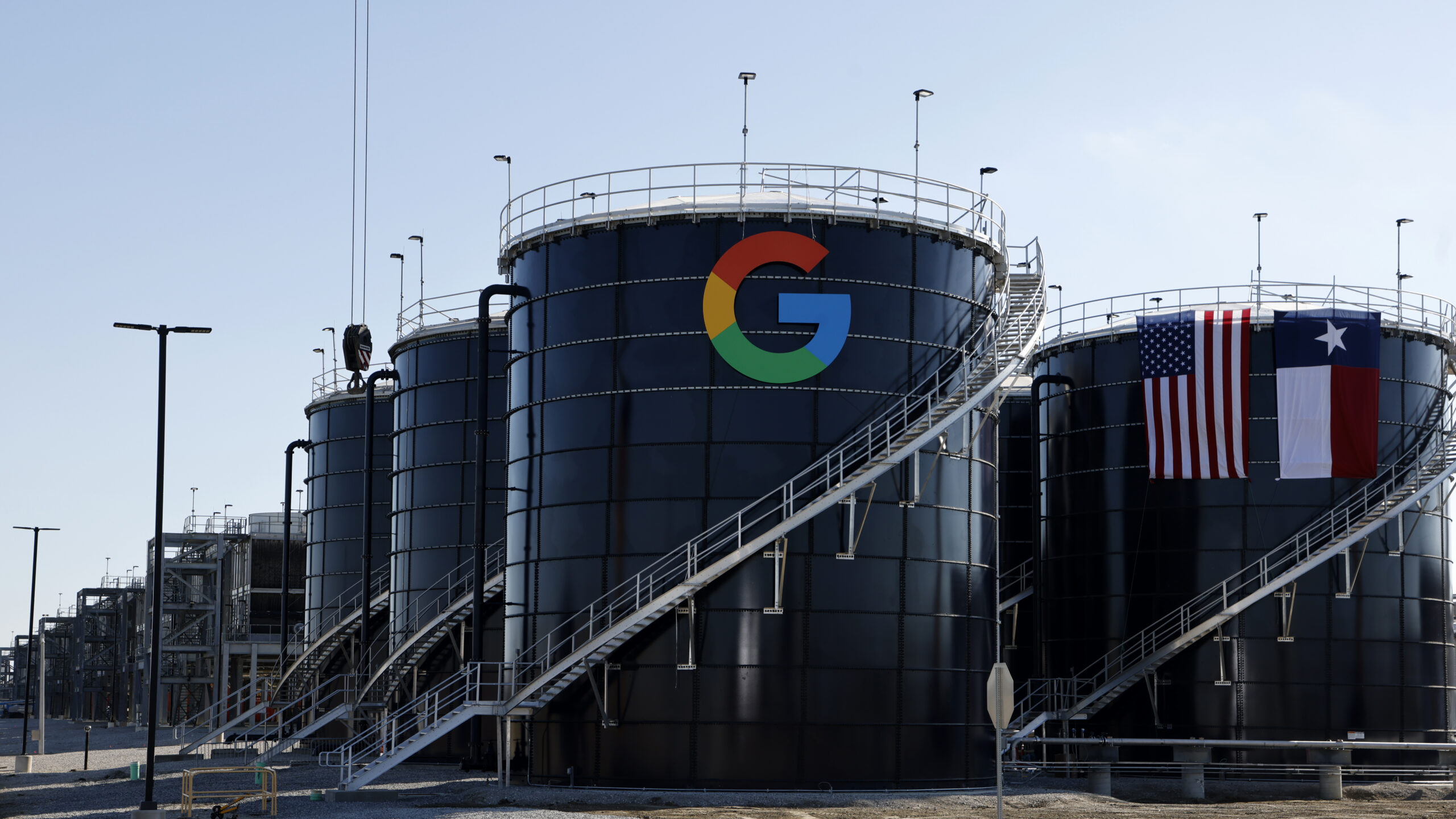
Google tries balancing AI data center emissions with clean energy efforts.
Google reported that its annual electricity consumption rose by 37 percent in 2025—the largest increase in the company’s history as Silicon Valley’s AI data center buildout continues. But the tech giant says it kept operational carbon emissions down by continuing to purchase massive amounts of clean energy.
The company’s latest sustainability report acknowledges that Google’s total electricity usage has increased by more than 250 percent since 2019, which the company attributed to ongoing growth in Google Cloud, YouTube video streaming, and data center construction and operations supporting various AI products and services. The unprecedented 37 percent annual increase is part of an ongoing trend, given how Google’s total electricity consumption also grew by 27 percent in 2024.
“While the path to achieving our climate ambitions will not be linear—given our AI infrastructure buildout is currently accelerating faster than the grid is decarbonizing—we remain focused on scaling abundant and affordable clean power globally and progressing technological innovations that drive down emissions across our operations and the broader industry,” according to the Google sustainability report.
As the bulk of electricity usage, Google’s data centers consumed more than 42 million megawatt-hours of electricity in 2025 compared to 30.6 million megawatt-hours of electricity in 2024. That means Google’s data center energy usage rivals the electricity consumption of entire countries such as New Zealand, Denmark, and Nigeria. More self-reported details from Google are available in the full sustainability report, including water consumption numbers for various data center campuses.
Despite the steep rise in electricity consumption, Google reported actually reducing its operational emissions by 2 percent over the same year period. Such apparent “decoupling of electricity-related emissions” from growth in electricity usage is potentially promising, but Google said it would need to boost “clean energy investments and closer partnerships with local stakeholders in the years ahead.”
But the company also noted that its supply chain emissions from its contracted manufacturers and suppliers actually grew by 25 percent because of “an Asia-Pacific supply chain operating on grids that remain undersupplied with carbon-free energy.” As a result, Google reported total “ambition-based emissions” increasing by 18 percent between 2024 and 2025.
The company’s overall carbon footprint for 2025 came to about 14.5 million metric tons of carbon dioxide equivalent. When comparing this to emissions by country, Google is somewhere between Ivory Coast and Panama at about 100th place.
Google has been matching 100 percent of its electricity consumption with renewable energy purchases every year across its global operations, a practice that it has adopted for nine years running. In 2025, the company’s purchase agreements encompassing 12 gigawatts of “net-new clean energy” represented the largest annual total in the company’s history.
But it also acknowledged that companies can merely claim to rely on 100 percent renewable power while still using power generated by fossil fuels in local power grids. Accordingly, Google says it has renewed its emphasis on a “24/7 carbon-free energy ambition” that gets into more granular accounting by focusing on certificates representing hourly and local matches for clean energy.