// PC GAMER — GAMING
Final Fantasy 7 Revelation director on its "very extravagant" final Sephiroth fight and whether anyone will ever pull something like this trilogy off again
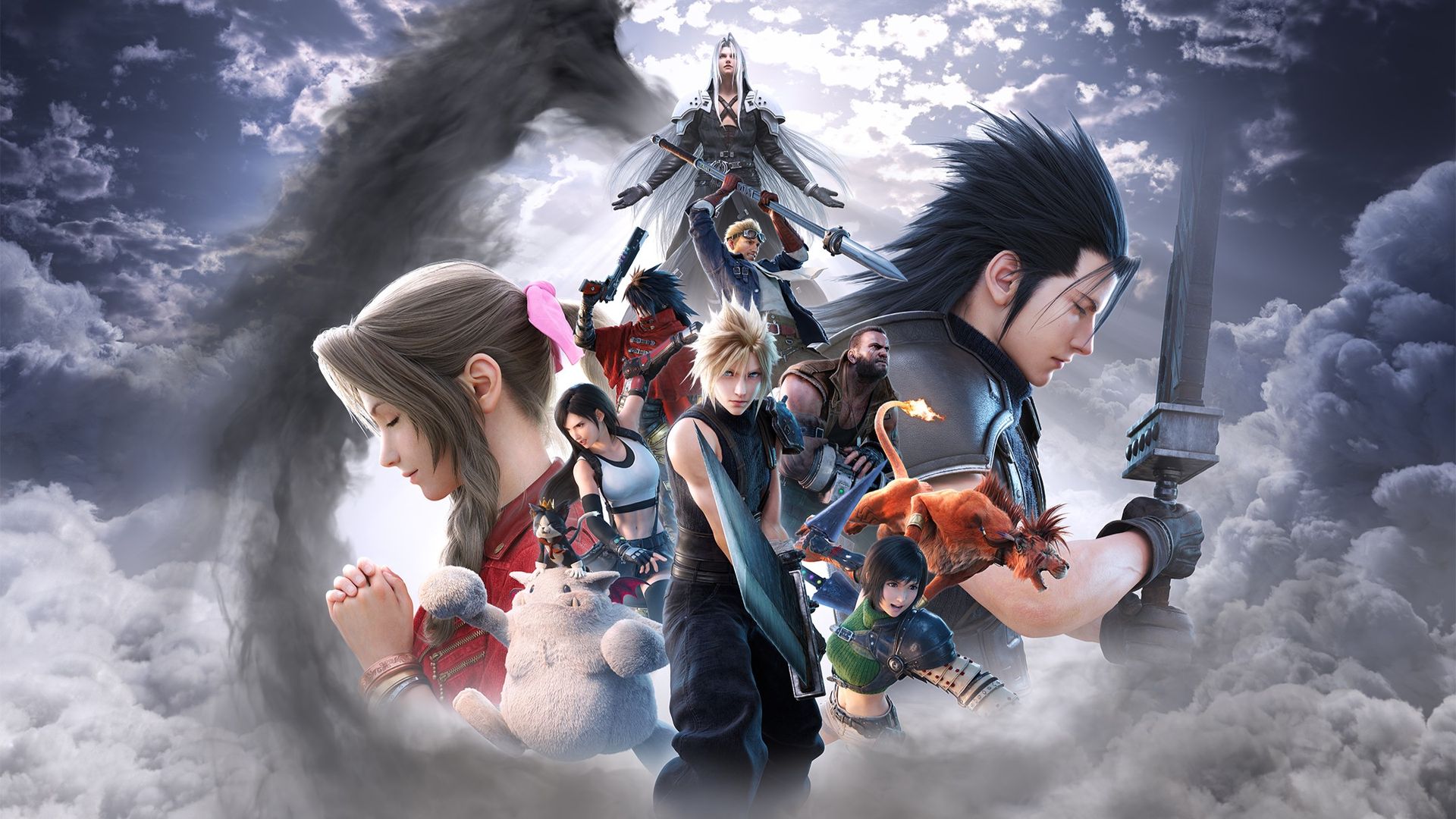
Naoki Hamaguchi discusses the final chapter of Square Enix's elaborate remake project.
When you purchase through links on our site, we may earn an affiliate commission. Here’s how it works.
Final Fantasy 7 Revelation director Naoki Hamaguchi must be one of the least guarded interviewees working for a major publisher. Before I speak to him, I find tons of details about the final game in the Remake trilogy spread across a dozen different sources—everything from granular titbits about why Vincent Valentine has a unique skydiving animation to defending the sheer volume of minigames that make the cut. This is someone whose team has built a hell of a lot of game over the past decade, and he clearly enjoys discussing the sweeping vision of it all.
In Revelation, which launches April 8, series villain Sephiroth has summoned the destructive cosmic spell Meteor towards the planet, intending to destroy it. Cloud, Barret, Tifa and company stand in his way—and the planet itself begins fighting back in the form of Weapons, kajiu-sized creatures that emerge from an enormous crater and then unleash mayhem across the land and sea. The events in Revelation cover the last third or so of the original game.
This is the third in a series of remakes that have been defined, in some ways, by their extraordinary production values. I ask Hamaguchi whether he thinks the FF7 Remake trilogy could offer a more sustainable model for building blockbuster games in future.
"So I can't say whether in the future anyone else will decide that they're going to take a famous old game and remake it as a multi-part series, but regardless, I do think that this has left quite a lot of interesting knowledge as a case study," Hamaguchi says via a translator, explaining that his team has now been working together for 10-12 years.
"I think that this project has contributed hugely to Square Enix, not only in terms of the business as a successful game, but also in building this team that I can trust. But whether this becomes a model case or a template is, I think, a bit of a difficult question, because it becomes a question of whether or not other teams can recreate that."
Keeping the same person at the top, too, is vital to how the end product turns out.
"For example, I have been able to stay on for the whole project as the series director because I'm extremely motivated. I've been more than happy to pour all of my energy into this project, but there might be some people out there who are like, 'Well, I've done the first installment in this, and I'm done, I'd like to do something different.' And so if then the top person were to change, that can really change the trajectory of a project, the style of a project, even some of the themes that it's dealing with might be impacted by that."
Keep up to date with the most important stories and the best deals, as picked by the PC Gamer team.