// ARS TECHNICA — MODA & SOCIETÀ
The 2008 economic crisis changed the US's relationship with energy
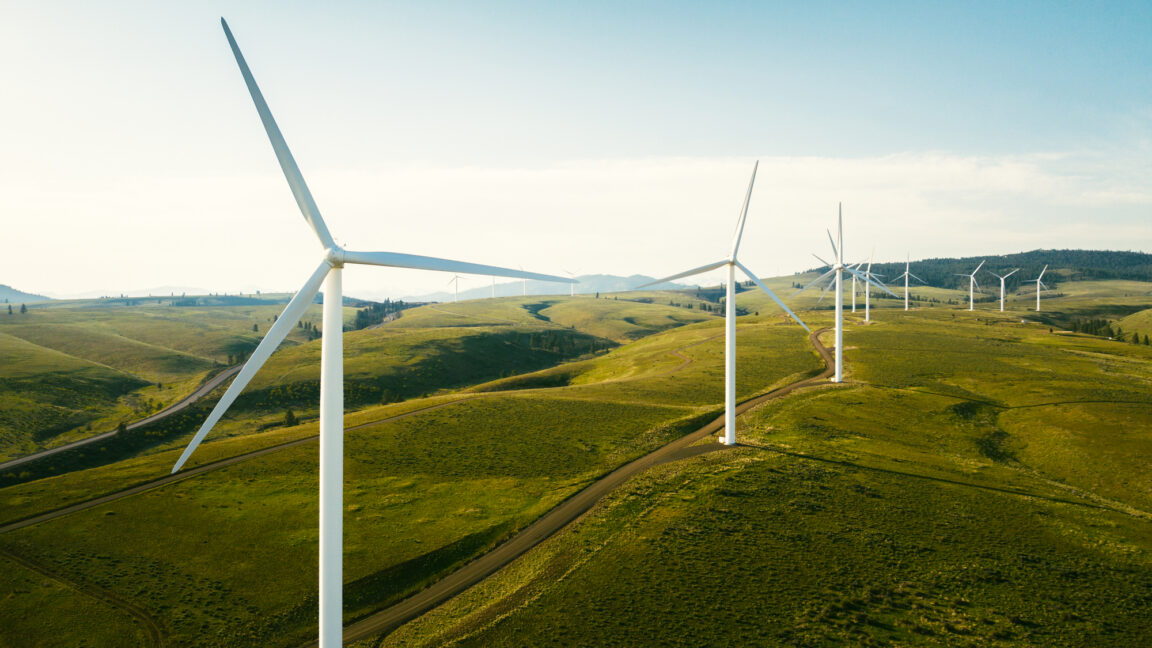
It wasn’t obvious at the time, but the US uncoupled carbon emissions and GDP growth.
One argument that often comes up about climate change is that fossil fuels are good because they powered economic growth that has left most people better off overall. And, to an extent, that has been true, but it’s also an extremely limited perspective.
It’s pretty obvious now that the growth they powered has come with very high costs that we’ve only recently started to pay, in the form of damages and disruptions from extreme weather events. With things like sea level rise expected to continue for centuries even if we hit net zero, it’s difficult to estimate how expensive that growth will eventually be.
But that perspective is also limited: We now have better ways to power our growth—ways that are less environmentally damaging now and won’t leave our descendants with a carbon debt that will be difficult to manage.
In 2013, I was introduced to a metaphor about changing the relationship between economic growth and fossil fuel use: opening scissors. For decades, GDP growth and carbon emissions were locked together like the two blades of a closed pair of scissors. The idea was that we needed to open them: continue GDP growth (ideally in ways that improved citizens’ lives), but disconnect it from carbon emissions.
At the time, Sweden provided an example of this. In 1996, its carbon emissions began a gradual decline that has continued to the present, with total emissions down by a third from its recent peak in 1996 and more than half from its maximum levels in 1970. But its GDP continued growing. At the time, the data only went as far as 2011, but the World Bank now shows its GDP as having more than doubled since 1996.
In 2013, it was possible to question whether the Swedish example really represented a long-term transition. But with 30 years of data, it is now very clear that Sweden had opened the scissors.
A larger question was whether its example was applicable elsewhere. Sweden was fortunate to have lots of hydropower and an established base of nuclear reactors. And its economy, while substantial, isn’t as diversified as that of some larger countries. Like, for example, the United States.
It wasn’t clear what the future of US carbon emissions would look like in 2013. After several decades of steady growth, they dropped precipitously following the 2008 economic crisis, then stabilized with a few ups and downs during a few years of tepid economic growth. It was unclear whether the previous relationship between growth and emissions would reassert itself.
I follow energy issues and track the annual data as it comes in. Despite that, it has been tough to develop a clear picture of what emissions are doing in the US. For a while, it looked like we had moved into a sawtooth pattern, where several years of gradual decline would be largely offset by a sudden rise. Then there was a dramatic plunge and rebound during the pandemic years, followed by a few years of minimal change. Even in years when emissions declined, it was hard to feel confident that it represented part of a larger trend.