// TOM'S HARDWARE US — HARDWARE & GADGET
Microsoft using wetlands and native gardens to 'camouflage' 20-plus data center sites by blending them into nature
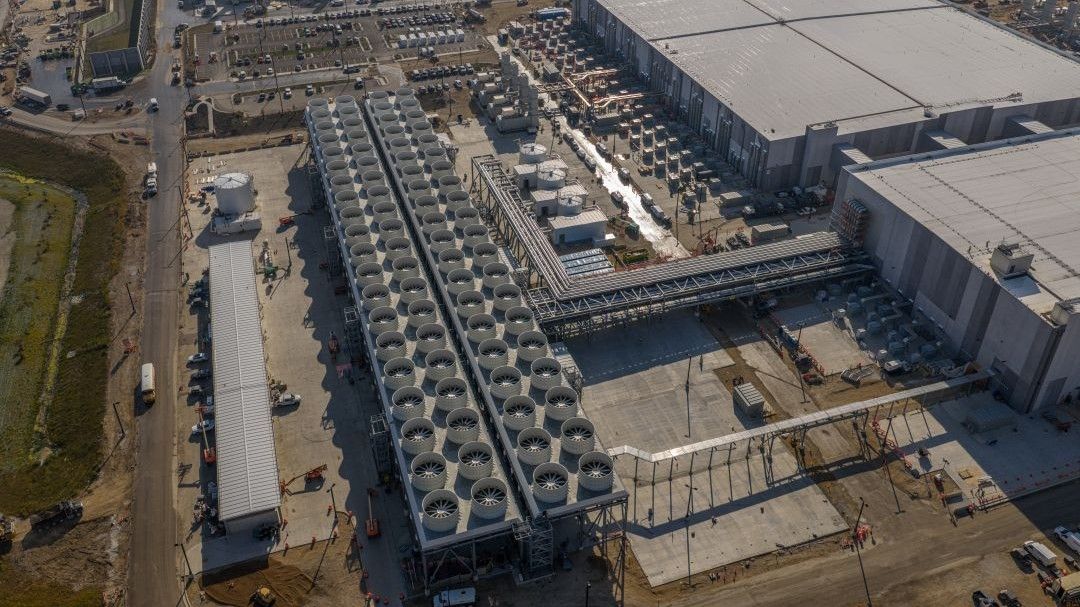
Critics question motives and advocate for residents’ needs.
When you purchase through links on our site, we may earn an affiliate commission. Here’s how it works.
Microsoft’s “biomimicry” program is reshaping the land around its data centers with restored wetlands and native gardens to help the buildings blend into local ecosystems at 20-plus sites, reports The Verge. Critics question the company’s motives after recent energy deals, such as a 20-year deal inked in June to buy power from a planned Chevron gas plant in West Texas. Public Citizen’s Texas director, Adrian Shelley, called the plan “basically lipstick on a pig.”
Microsoft says the approach is now part of all new projects in the U.S. The goal is to blend “data centers into the natural landscape” at sites across the United States and Germany, gauging community input and using ecological research to map the local environment. Microsoft’s team uses a tool called Ecosystem Intelligence, which runs on Azure and scores various features of the site, including water quality, biodiversity, and noise abatement.
Solutions, according to Microsoft’s director of global land strategy, Kaitlin Chuzi, are customized to the local habitat and should restore what was lost, while plant buffers quiet data center humming and help “minimize the visual impact on communities near our data centers.” Named sites include Mecklenburg County, Virginia; Mount Pleasant, Wisconsin; East Point, Georgia; Bedburg, Germany; and other projects in Ohio, North Carolina, and Wyoming.
The Mount Pleasant site, home to Fairwater, which Microsoft calls the “world’s most powerful AI data center,” has 100 acres of prairie and forest in a Lamparek Creek restoration with the Root-Pike Watershed Initiative Network. Its executive director, Dave Giordano, told the outlet that Microsoft developed its stormwater ponds with forebays to retain sediment, one of a number of accommodations for the environment. “Not all data center companies are the same,” he said. It is a living example of the company’s answer to AI data center backlash.
San Antonio District 6 Councilmember Ric Galvan told the outlet that there are more than a dozen data centers in his district, with more proposed. He cited concerns about the impact on traffic and the environment, including tree removal, following a 2022 approval of a Microsoft plan to remove 2,642 trees from a 33-acre tract for a data center.
Microsoft spokesperson Jennifer Lyons, however, said in an email to the outlet that the company is investing in more than 400 acres of woodland and pollinator prairie restoration in San Antonio and intends to leave the “land more productive than we received it.” Galvan said Microsoft may be “covering their bases,” which he said is fine if residents’ concerns are addressed. He proposed a moratorium on new data centers in August, backed by Public Citizen, but the council opted against a blanket pause and is weighing zoning rules instead, with a vote scheduled for Oct. 15.
Shelley also pointed to adjacent effects, specifically pollution from new gas plants built to supply energy for data centers. “I cannot really see any level of biomimicry investment that makes a gas plant a desirable neighbor,” he told the outlet. Chevron says its plant would provide “approximately 2.67 gigawatts” of power if the plan goes through, with first power anticipated in 2028.
Get Tom's Hardware's best news and in-depth reviews, straight to your inbox.