// 9TO5MAC — MOBILE & WEB
See for yourself the difference the wider aperture of the iPhone 18 Pro makes
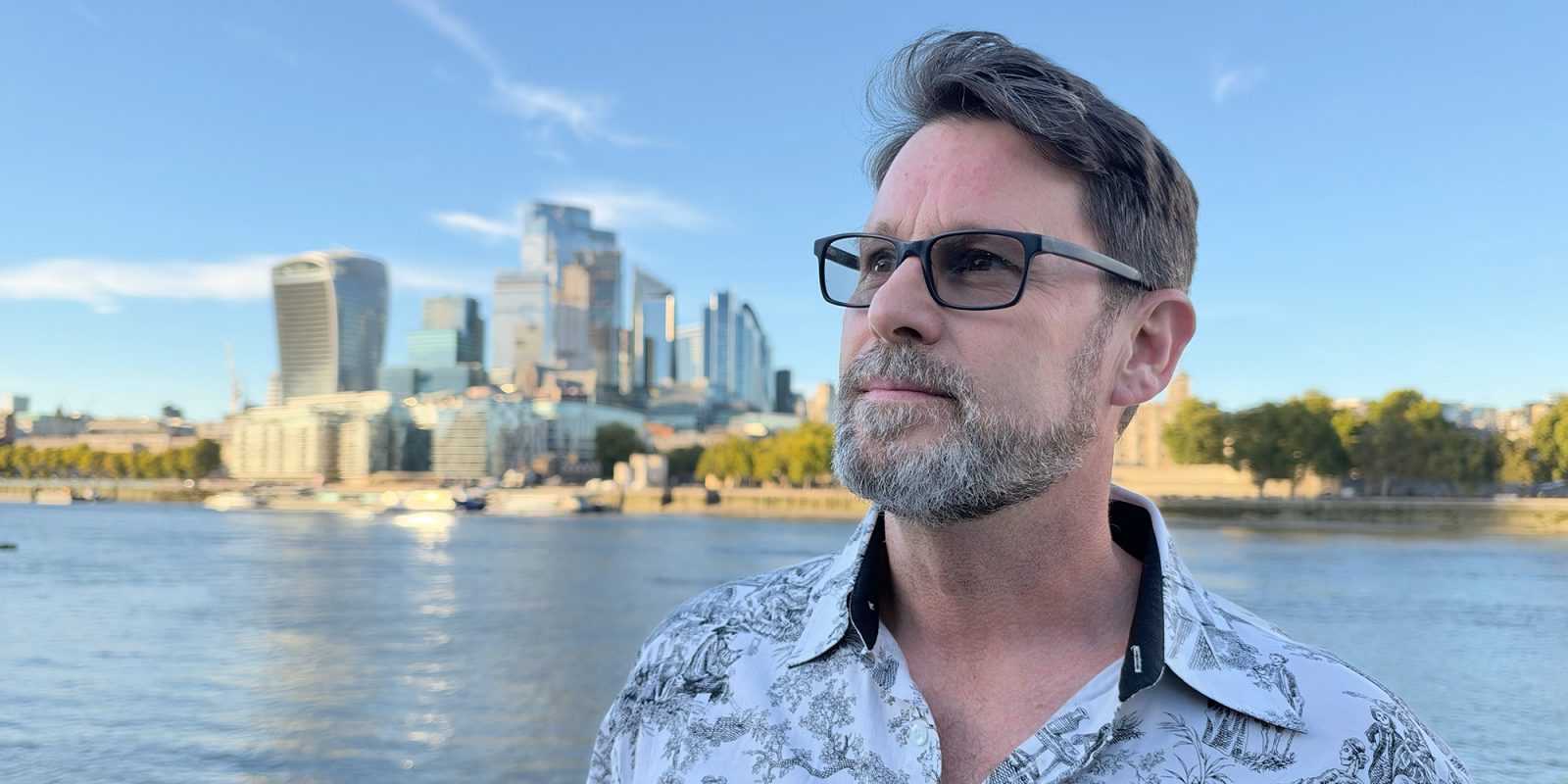
Alongside a variable aperture lens, the main camera of the iPhone 18 Pro also opens up to a wider aperture than its predecessors. Apple has been promoting this as enabling a shallower depth of field for portraits and similar shots.
The difference, however, is less than a stop, and it’s been unclear how much real life difference this would make on such a small sensor, so I set out to put it to the test …
It’s important to draw a distinction between the optical shallow depth of field enabled by a wide aperture lens and the artificial effect enabled by Portrait mode.
With the latter, Apple uses computational photography and the LiDAR sensor to work out where the subject ends and the background begins in order to apply an artificial blur. The quality of this has improved dramatically over the years, but that’s not what we’re testing here. All of the background blur seen in the sample photos was achieved optically by using the widest possible aperture of f/1.48.
The iPhone 17 Pro had a widest aperture of f/1.78. This is essentially indistinguishable from f/1.8, which is the second-widest aperture available on the iPhone 18 Pro. What I’ve done here is to use the new manual controls available to take the same photo twice, once at f/1.8 and again at f/1.48, in order to compare the difference.
There are, however, three other optical factors affecting the amount of background blur of any photo:
To eliminate these variables, all of the photos are taken at the same focal length (the main camera, which is the only one with a variable aperture), the same framing (ie. same background), and at the same distance. There’s a few seconds gap between the photos as I adjust the aperture, so they are not 100% identical, but both myself and my subject stood still to ensure both were taken at exactly the same distance even if he turned his head between shots.
With these controls in place, any difference in background blur is due entirely to the aperture.
All of the test shots are portraits – that is, head-and-shoulder shots – as this is the type of photo for which wide apertures are most commonly used (hence the name Apple applies to the artificial effect available in Portrait mode).
Additionally, by getting close enough to shoot head and shoulders, we are maximizing the degree of background blur we would expect to see. This makes for the best basis for comparing the shots, versus wider ones where the degree of blur may be harder to assess.