// 9TO5GOOGLE — MOBILE & WEB
Google seems to finally understand why it bought Fitbit
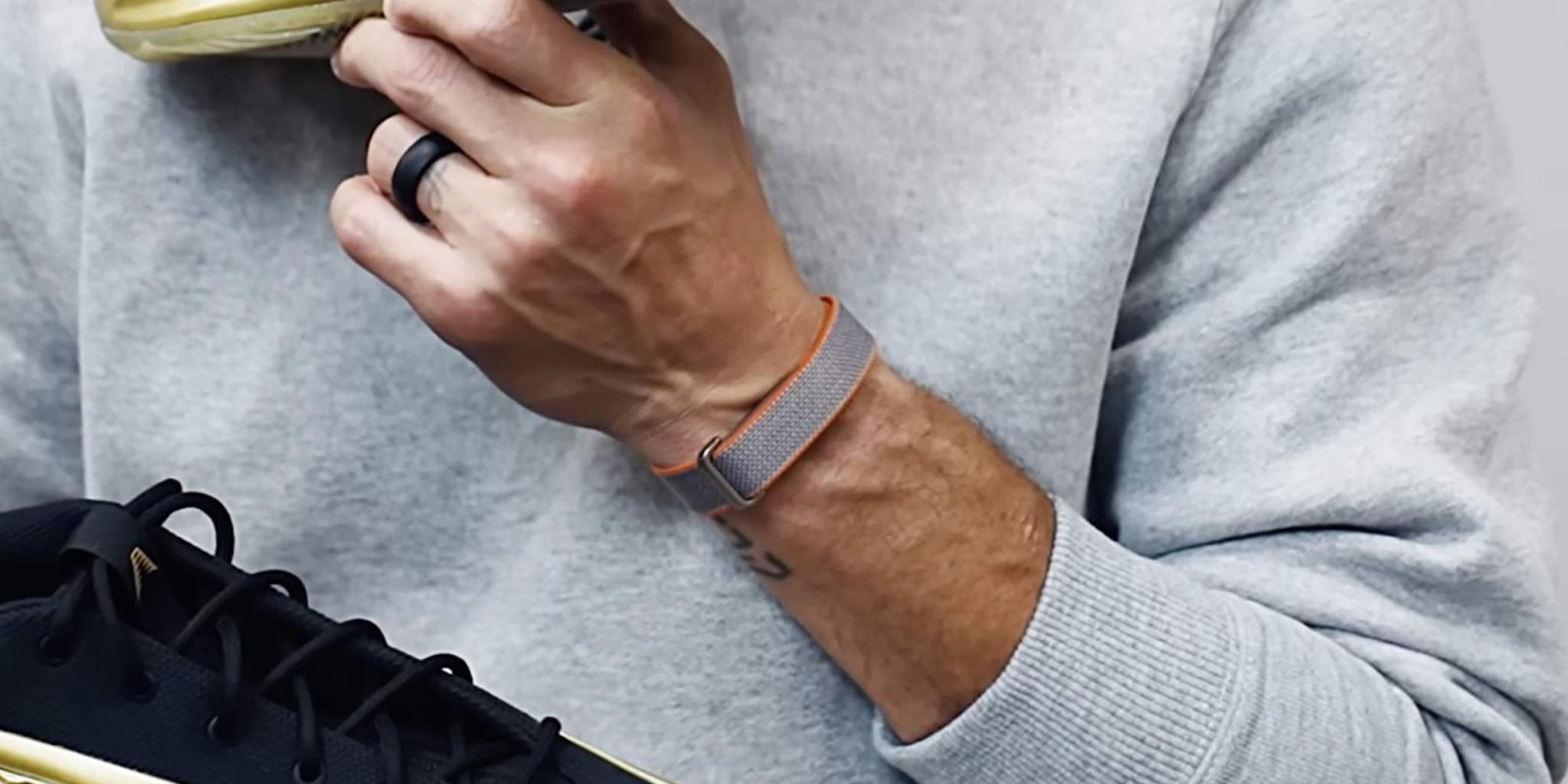
Good morning! Today, I’m searching for Prime Day deals, watching Chris Rock masterfully dodge questions about The Slap, questioning Sam Altman about whether we have to accept “some bad things” to justify AI’s exponential growth, and brushing up on my chess game after many years of neglect.
As a reminder, Inbox is the tech newsletter that goes beyond the news cycle. We cover the most important 9to5Google stories from the last couple of days along with a few highlights from around the web. We publish every Tuesday and Thursday, and if you like what you read, please subscribe.
Inbox is written by Daniel Bader. Read previous issues here, and then catch up with Ben Schoon’s excellent Weekender column published every Sunday.
When Google bought Fitbit back in 2019, it wasn’t clear that the brand had a future. As many companies are wont to do, Google had good reason to ingest the accessory maker’s IP and set fire to the rest — but that didn’t happen. After a few fallow years, Fitbit became the software powering the Pixel Watch’s health capabilities, and is now shifting once again to working as a standalone hardware brand within Google.
After the monumental success of the Fitbit Air in May, the company is poised to release a Charge follow-up called the Edge. The Charge series hasn’t seen a refresh since 2023, and it appears that Google is updating its design and adding a number of app-like features that should bridge the proverbial gap between tracker and smartwatch.
Of course, Google may not have known Fitbit’s true trajectory back in 2019, but it’s arrived at a place that makes sense: Fitbit’s software is now tightly integrated into all of Google’s health-related endeavors, so the brand is pivoting back to hardware where it made its mark originally.
So the question is whether the Edge, or something like it, is the right move. The Air’s success came from its accessible price ($100) and the growing trend of screenless trackers. I wear a Fitbit Air alongside either a smartwatch or a regular one, and that’s its biggest appeal. And people are going to great lengths to hide the diminutive tracker in places most wearables can’t go.
The Edge, on the other hand, is a traditional fitness tracker with a few tricks up its sleeve. Judging from the leaks, it will offer notifications, Google Maps, music controls, along with Find My Device support. And of course health tracking that, with a Google Health Premium account, includes an AI-powered fitness coach that’s proven its mettle over the past few months.
I doubt the Edge will have the same cultural impact as the Air, but I also see its existence as proof that Google understands why it bought Fitbit in the first place. Now that it’s plumbed the company for all of its wares, Fitbit rises once again where it all started: with cheap hardware that does just enough well to keep users happy.
Welcome to Cc:, where I ask interesting people in the community about what’s making them happy both inside and outside the world of tech. This week, I’m speaking with Myriam Joire (aka. @tnkgrl), a tech & car journalist and host of the Mobile Tech Podcast.