// PC GAMER — GAMING
Crossfire is actually the second singleplayer shooter named after Korea’s Counter-Strike—and the last one was made by Remedy
When you purchase through links on our site, we may earn an affiliate commission. Here’s how it works.
Weird Weekend is our regular Saturday column where we celebrate PC gaming oddities: peculiar games, strange bits of trivia, forgotten history. Pop back every weekend to find out what Jeremy, Josh and Rick have become obsessed with this time, whether it's the canon height of Thief's Garrett or that time someone in the Vatican pirated Football Manager.
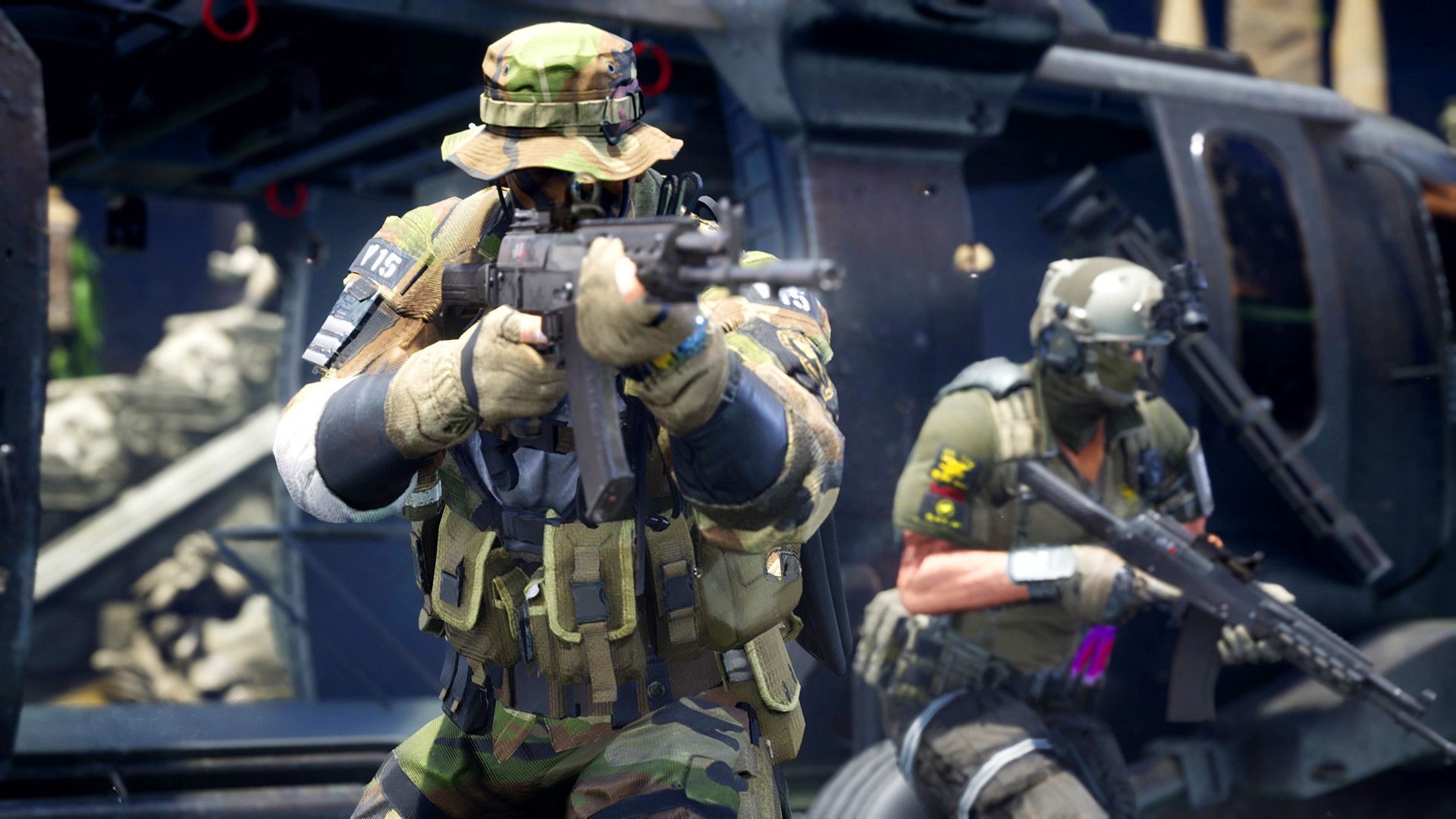
One of the more intriguing announcements for shooterheads this summer was Crossfire. A new milsim from the minds behind Call of Duty's last great reinvention—the 2019 Modern Warfare reboot—it boasts an innovative cover mechanic and an evolving emotional connection between the two leads in its campaign. At long last, a new idea in mainstream solo shooting.
Or is it? Crossfire is backed by Smilegate, the publisher made rich by a long-running multiplayer FPS sometimes referred to as Korea's Counter-Strike. That game's name is Crossfire, too. And as it turns out, it got a different singleplayer mode just a few years ago. From none other than Remedy, the undisputed industry leaders in Finnish Weird.
That's right: Sam Lake's beloved oddballs produced a pair of three-hour FPS campaigns firmly in the Call of Duty model. There's something perversely intriguing about the prospect—of seeing the studio's famously leftfield storytelling style constrained by the conventions of a military spectacle shooter. "I'd never been much of a dreamer," narrates Captain Hall in the opening minutes of the first campaign. "In this work an active imagination can kill you."
The project was named CrossfireX, and much of it set in a generically unstable country with a vaguely Eastern European flavour. There, you're thrown between street-to-street firefights, typically with at least one other squaddie—who tells you where to go and who to shoot at. You're not five minutes in before your first helicopter crash. And in what might generously be considered a tribute to Max Payne, you can activate a simple form of bullet time at comically frequent intervals.
Watching playthroughs of CrossfireX on YouTube, I couldn't help but be reminded of Garth Marenghi's Darkplace—the parodic British TV series in which, the joke goes, episodes were slathered with slo-mo in order to meet their expected running time. "Anything without dialogue was considered for slow motion," deadpanned Richard Ayoade at the time—his future as a giant in Fable very much ahead of him. I wonder whether, by hitting the bullet time key enough times, you could significantly elongate CrossfireX's short campaigns too.
There are some smart bits of setpiece design: at one point, your squad fights in the kitchen of a hotel, the bullets pinging off hanging pots and pans, which oscillate wildly under the impact. But then, the one-liners kick in: "This hotel's getting a shit review from me," Private Moralez yells. "The service sucks!" From a tonal standpoint, Remedy seems to have decided that its trademark subtlety doesn't quite belong in this brief sojourn to the Crossfire universe, where the two vying factions are named Global Risk and Black List. Melodrama rules the day, and to some degree it feels as if the job of the campaigns is only to provide moments of badassery—empty posturing that can straightforwardly complement the bombast of multiplayer.
Melodrama rules the day, and to some degree it feels as if the job of the campaigns is only to provide moments of badassery.
What follows that first level, though, is a flash of vintage Remedy. By that point, Captain Hall is unconscious, wandering through a dreamlike rendering of his own house. Wooden train tracks trail across the children's room, as a radio reporter mutters indistinctly about the risk of terror attacks. An out-of-place photo depicts all of Hall's squadmates—minus a member who was MIA at the end of the last mission. The stairs from the landing stretch out, Backrooms-style—the wall lamp repea