// PC GAMER — GAMING
Dragon Age setting creator David Gaider is pitching a heist RPG that's 'make or break' for his studio
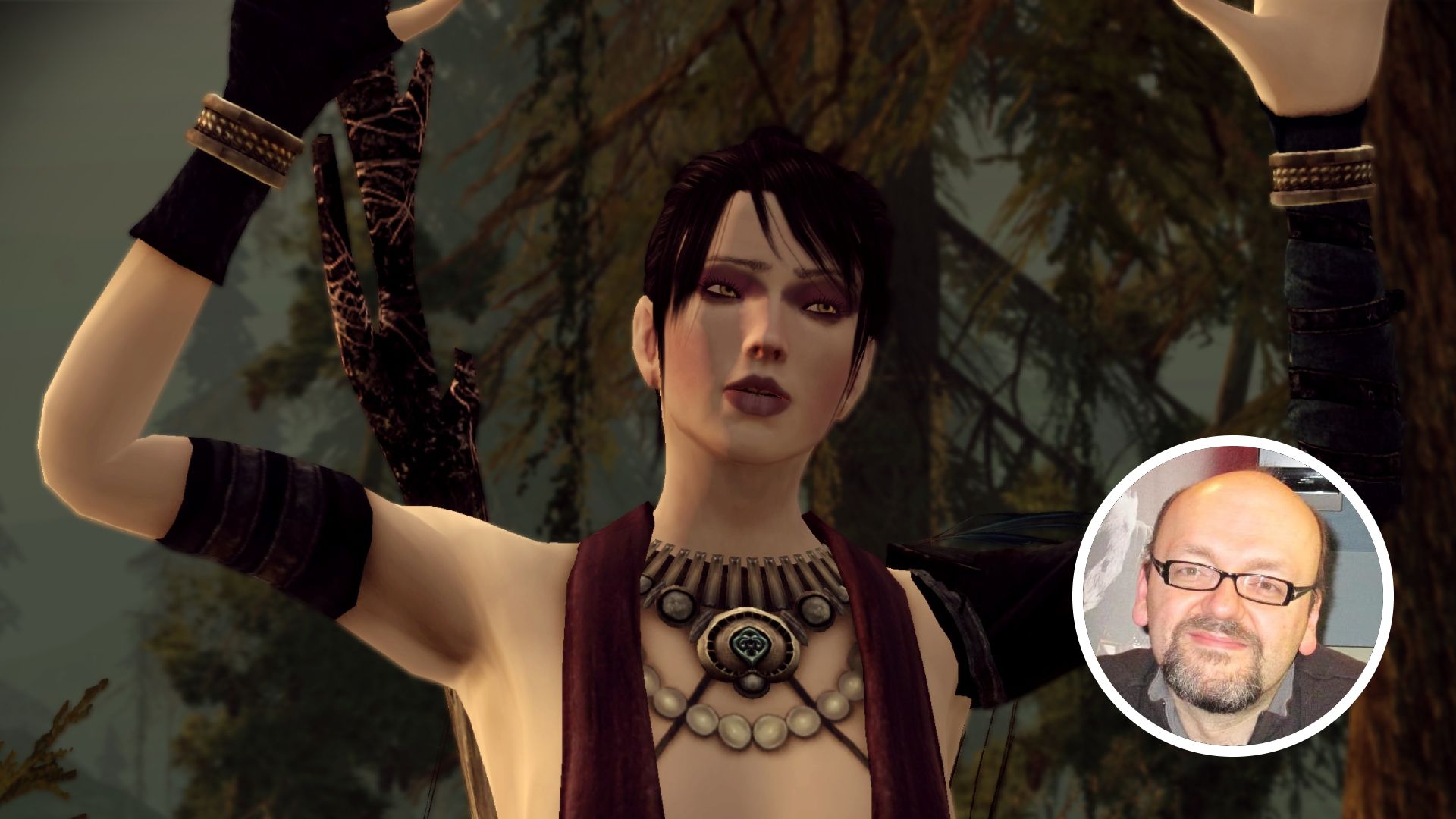
Publishers are enthusiastic, but they're not yet stumping up the funds.
When you purchase through links on our site, we may earn an affiliate commission. Here’s how it works.
At the bidding of BioWare's bosses, David Gaider created the world of Thedas, the setting of Dragon Age. And lo, it was beautiful, for a time. But he left the company after an abortive spell on Anthem, and today he's working on a new RPG.
"You play a crew of rogues in an airship that go around performing heists," he says. "And this leads you into a plot that becomes, maybe, your more typical RPG."
Gaider is best known for his dark riffs on sword and sorcery—beginning with the half a million words he wrote for Baldur's Gate 2, before taking on the all-timer Neverwinter Nights campaign Hordes of the Underdark. Then there was the decade he spent steering Dragon Age. But this time, he's shooting for something a little more lighthearted.
"I wanted to do something that was not full-on comedy, but something that could make me smile," he says. "It seems like at this point in the world, we could use something like that. I know I could. So that's what we've been working on, and it's been getting a great reception."
The trouble is, the games industry is currently on fire. "It's been almost three years it's been going through this weird contraction," Gaider says. "The most obvious effect of that is all the layoffs, but that's just really a symptom of all the studios clenching at once. On the funding side, nobody wants to actually commit to a project unless they think it's a sure thing, and that boils down to existing IPs, sequels, that sort of thing. New projects, almost nothing's getting funded."
And so, the praise that Gaider's heist RPG has been getting from publishers hasn't yet resulted in the cash needed to complete it. "Our first prototype was a much simpler version," he says. "We had our vertical slice, roughly of the quality level that we would release at, and a bit more of the game at a simpler version to show the publisher what we were thinking. And then they're like, 'Well, we want to see this further along'. So we had to take that and expand on it quite a bit more."
A lot of publishers today are looking primarily to fund games that are already 80% completed—minimising their risk as they help projects across the finish line. "With one publisher, we said to them, 'Are you really waiting for us to finish the project before you commit to it?' And they embarrassedly were like, 'Well, in so many words, I guess, yeah.' There's a lot of smaller studios like ours that are really struggling at this point."
Keep up to date with the most important stories and the best deals, as picked by the PC Gamer team.