// ARS TECHNICA — SPAZIO & SCIENZA
If you're looking, here's a "good deal" for NASA and the European Space Agency
“We are in the era of people interested in having good deals, and LISA is a very good deal for the US.”
It’s no surprise that NASA’s new tack toward foreign partnerships—good deals only, please—is challenging preconceived notions of international cooperation in space.
Without a massive budget hike, the US space agency’s emphasis on building a Moon Base and winning a competition for lunar real estate and resources with China will inevitably leave lesser priorities behind.
Gone is the Lunar Gateway, a space station that was to be assembled in orbit around the Moon. For the United States, Gateway was an unnecessary distraction and expense as NASA goes all-in on placing a surface station near the Moon’s south pole.
NASA canceled the Mars Sample Return mission after its budget ballooned beyond $10 billion. It would have cannibalized the agency’s budget for robotic science missions, a funding line already in jeopardy as the Trump administration directs NASA to focus on human spaceflight and a Moon Base.
Before their cancellation, each project involved extensive cooperation with NASA’s international partners, but NASA was the leader on both. It’s not surprising that a nation’s priorities will change with elections and external pressures, like the 21st-century space race taking shape with China.
Going forward, NASA Administrator Jared Isaacman said NASA’s international partners must be ready to make “meaningful contributions,” with greater urgency than before. That means they should offer something that NASA or US companies aren’t already doing and deliver the contribution when NASA needs it.
This is creating friction in some areas. It’s most apparent between NASA and the European Space Agency, which is struggling to find a place in NASA’s Moon Base program after the cancellation of Gateway. Isaacman dismissed an ESA proposal earlier this year to develop a European cargo lander to carry supplies for the Moon Base, a role NASA officials expect US-built landers to fill sooner.
So what does a good deal in international spaceflight look like in the Trump era? Isaacman cited a couple of examples: Japan’s commitment to provide a pressurized rover for astronauts on the Moon and Italy’s agreement to build what will likely be the first habitat for the Moon Base.
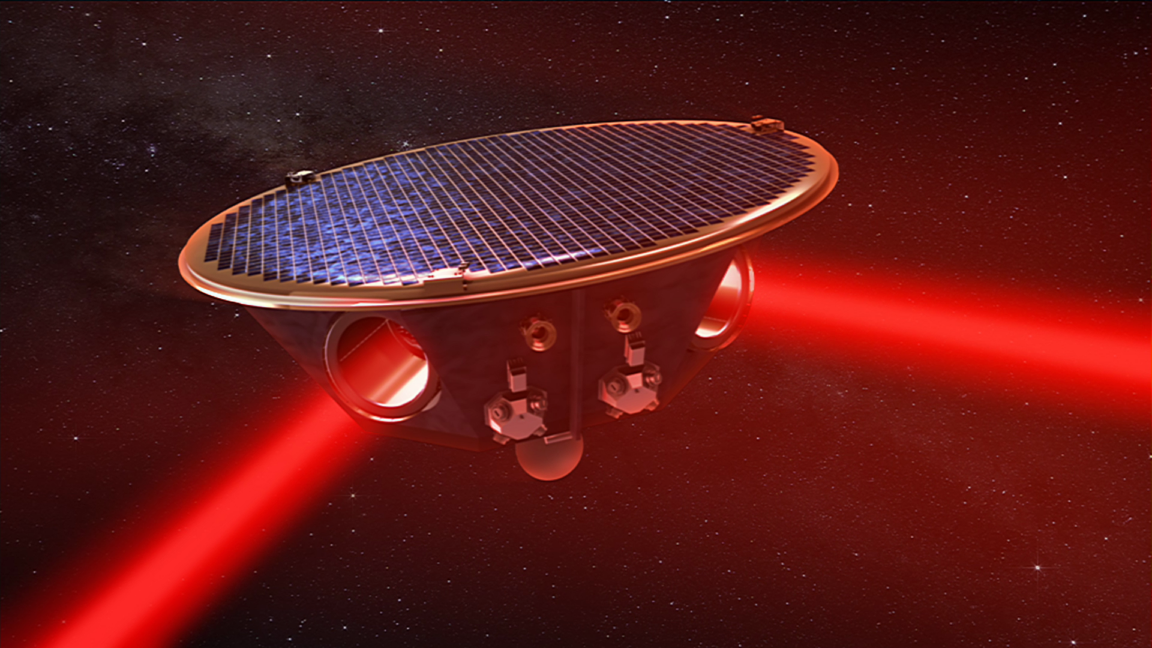
Here’s another one. Scientists are in the early stages of developing the Laser Interferometer Space Antenna (LISA) mission, the world’s first space-based observatory for detecting and studying gravitational waves.