// ARS TECHNICA — MODA & SOCIETÀ
Amazon builds 1,000th satellite, will launch space internet service by end of year
“If this was easy, everybody else would be doing it.”
The world’s largest retailer wants to sell you something else—Internet from space.
Amazon has been developing a constellation of satellites to deliver broadband Internet from low-Earth orbit for the better part of a decade, and the company is just about ready to pull back the curtain. It is entering a market that SpaceX, with its Starlink Internet, has dominated for the last half-decade. Amazon’s debut into satellite Internet is being closely watched, not just by some consumers, but by businesses ranging from airlines to shipping companies to governments. Broadband Internet from orbit has proven broadly useful for a lot of purposes, from video games to commerce to warfighting.
But until now, most people had to buy it from Elon Musk and SpaceX. OneWeb has only offered limited services, leaving Amazon as the only real competitor to deliver high-speed Internet globally. Moreover, at the head of the company’s broadband efforts is Rajeev Badyal, who led Starlink during its early years, but whom Musk fired eight years ago for moving too cautiously on Starlink.
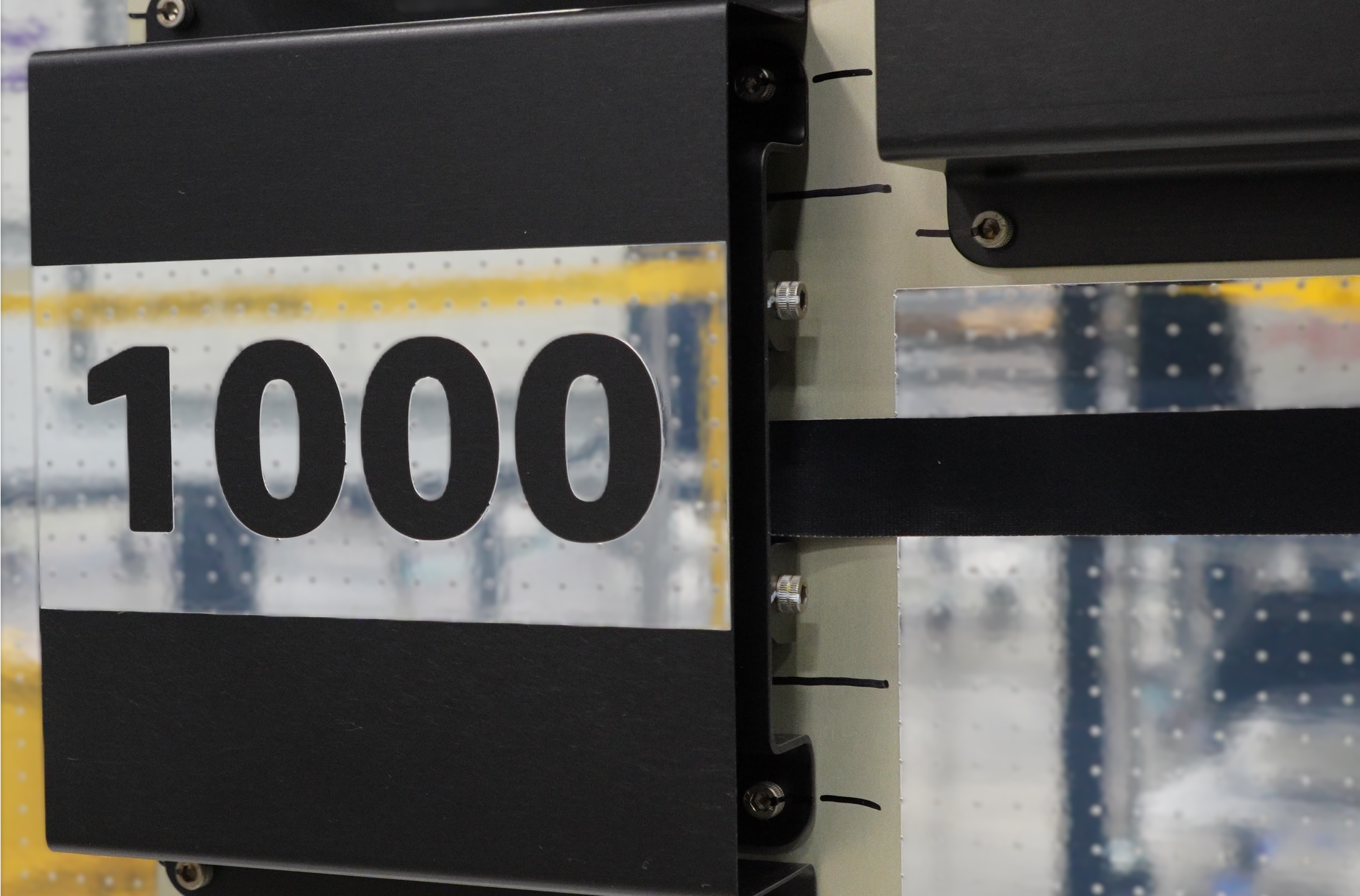
In a wide-ranging interview this week with Badyal and two other senior Amazon officials developing the constellation—Paul Palcisco, director of production; and Chris Weber, vice president of business—Ars was able to learn that the Amazon Leo project is nearing several critical milestones. At its Kirkland, Washington-based factory, the company recently manufactured its 1,000th satellite, will soon make its debut on the Vulcan rocket, and is just weeks away from offering commercial service for the first time.
We discussed the challenges that Amazon had to overcome to become the world’s second-largest satellite manufacturer (behind SpaceX), and reach the point where it can build a handful of satellites every day. Badyal also confirmed that the Vulcan rocket’s upcoming return-to-flight mission will carry Amazon Leo satellites and that another Vulcan rocket standing right next to it is also being prepared to launch this year with more Amazon satellites.
And finally, and perhaps most consequentially, Amazon is close to offering its service commercially. The company has been busy signing contracts—Delta Airlines’ agreement to use Amazon over Starlink on its planes has upset SpaceX founder Elon Musk, to put it mildly—and consumers are about to get an alternative to the industry-leading space broadband service. Are Amazon and its founder, Jeff Bezos, ready to compete?
The following interview has been lightly edited for clarity.
Ars: How did you overcome production hell to reach a point where you’re building satellites at scale?
Rajeev Badyal: Building a couple of satellites is pretty straightforward, but building at scale is just exponentially harder. Our job one was to design a satellite that is mass-producible. So you have to take manufacturing into account from day one. But in the real world it never turns out that way, because design engineers, the first thing they want to do is solve for making sure it works. Then they think about manufacturability as the next step. But we pushed really hard for a culture where we could do both, get a design that works and it’s manufacturable. Even in doing so, when you actually get to the real product, and you put it through its paces, you find a lot of gaps. You find gaps in quality. You find gaps in reliability. You find issues with parts.