// PC GAMER — GAMING
Pimax says 'I'll have what Valve's having' as it announces new wireless VR headset, foveated streaming, updated controllers, and long Steam Machine
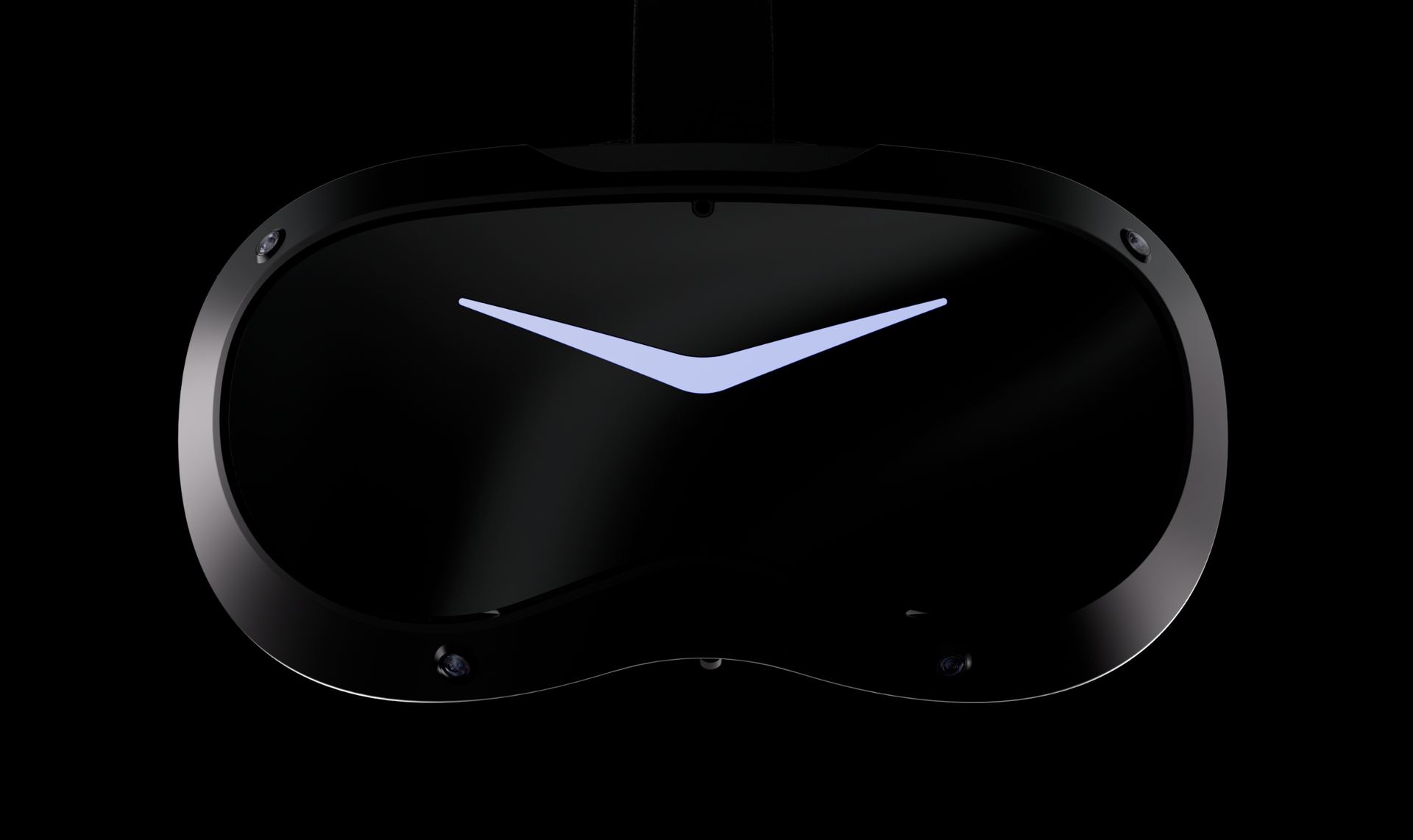
Imagine a Steam Machine but taller… yep, you got it.
When you purchase through links on our site, we may earn an affiliate commission. Here’s how it works.
Known for its many variants of VR headset, Pimax is back with yet more new products. This time, it seems to be following Valve's recent example, with a wireless VR headset, foveated streaming, ringfree VR controllers, and a very long Steam Machine.
Let's start with the VR headset, as Pimax isn't playing around when it comes to wireless capabilities on this thing. It's called the Crystal Pro, and it's totally wireless. Included in the box is a Wi-Fi 6E adapter, much like the Steam Frame, which hooks it up to a nearby gaming PC; however, Pimax is going one step further with an optional wireless streaming kit, 60G AirLink, that uses 60 GHz 2x2 MIMO for a higher-bandwidth, more robust connection.
"What if you could cut the cable and still send the image with no visual compression. That question is the reason this headset exists," Jaap Grolleman says in a prerecorded launch video.
Using two additional room antennas and two additional headset antennas, which poke out from the rear of the strap, Pimax is able to deliver up to 6 Gbps bandwidth—3 Gbps over each connection and each data stream sync'd up via the onboard Qualcomm Snapdragon XR2 SoC.
Pimax says 60G AirLink adds much less latency than standard Wi-Fi streaming—1.8 ms to 12 ms by its own presentation—and it uses this technology to offer something called Native Foveated Streaming.
Sound familiar? Valve introduced foveated streaming with the Steam Frame as a way to save on bandwidth for virtual reality using eye tracking. The Frame only streams a frame in high resolution where a user is looking; everywhere outside of that focus area is streamed at a lower resolution. It works great, in my experience, as unlike foveated rendering, I've not been able to notice any sign of foveated streaming in action.
Pimax is using its Native Foveated Rendering in much the same way, tapping the onboard 120 Hz Omnivision eye tracking. The focus area in the Crystal Pro is actually streamed at native resolution. It's full quality—straight from your frame buffer. Further out from the focus area, the detail diminishes until the outer edges, where it's much lower quality. You shouldn't be able to perceive that lower detail, providing everything works as intended.
Keep up to date with the most important stories and the best deals, as picked by the PC Gamer team.