// SPACE.COM — SPAZIO & SCIENZA
'Dude! No way!' Scientists jump for joy over Artemis II moon science results
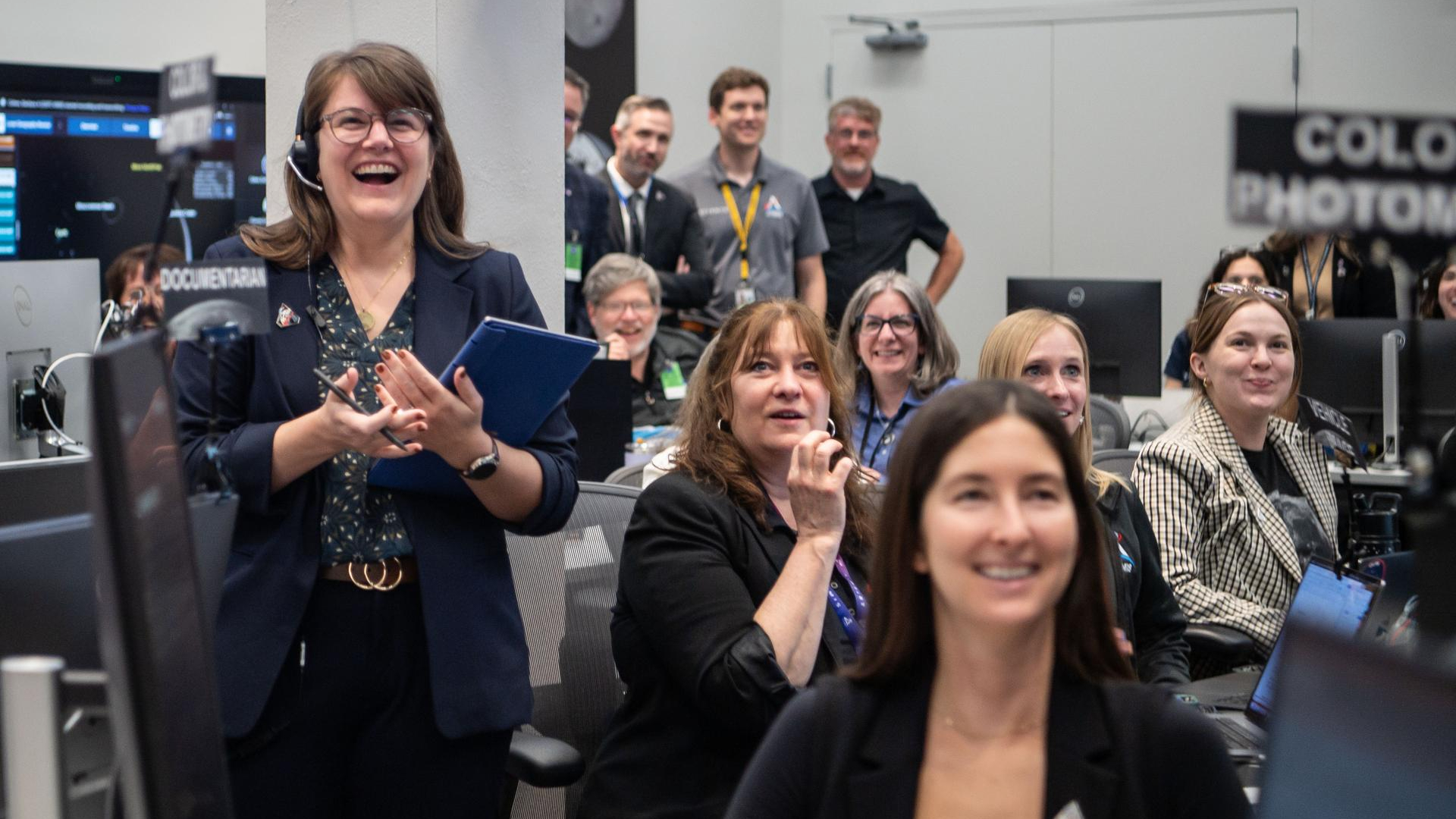
996 new images, 814 GB of observations and 521 minutes of never-before-heard crew audio.
When you purchase through links on our site, we may earn an affiliate commission. Here’s how it works.
We have our first look at the science from Artemis II, and it's as amazing as we might have hoped.
This past April, four astronauts strapped in for a flyby around the moon and back to Earth. The first mission to the moon since the Apollo program ended in 1972, this success marked an incredible historic milestone. The Artemis II crew also conducted groundbreaking science, observing parts of the moon no human had ever laid eyes on before. And now, we have our first look at some of the science from the mission.
"It's the science community's job now to take these data and go do magical things with it," David Hollibaugh Baker, a member of the Artemis II Lunar Science Team, said during a Wednesday (10/7) press conference that announced the mission's initial science results.
This is just the first batch of data from the mission, but it includes a whopping 996 new images, 814 GB of observations and 521 minutes of audio from the crew that has never been heard before. Everything from that astronauts' handwritten notes and drawings to photographs and verbal observations have revealed exciting new information — about impact flashes on the moon, for example, as well as the terminator line between the lunar "day" and "night" sides and a whole range of lunar colors and observations from beyond the mysterious far side.
"Dude, no way!" Artemis II commander Reid Wiseman of NASA exclaimed in newly released mission audio.
"It's just like a 'bloop!'" mission specialist Jeremy Hansen of the Canadian Space Agency added as the flashes appeared on the lunar surface. .
As Artemis II's Orion capsule flew by the moon, the four astronauts onboard — Wiseman, Hansen and NASA astronauts Victor Glover (mission pilot) and Christina Koch (mission specialist)— started seeing flashes of light on the lunar surface. These were impact flashes caused by small rocks hitting the lunar surface and vaporizing in the impact.
"We have seen three impact flashes so far," Wiseman said to Mission Control at NASA's Johnson Space Center in Houston. "It was not sun glint off a particulate from the thrusters or the purge tanks. It was definitely impact flashes on the moon."