// ARS TECHNICA — INTELLIGENZA ARTIFICIALE
$130 billion in data center projects blocked by protests so far this year
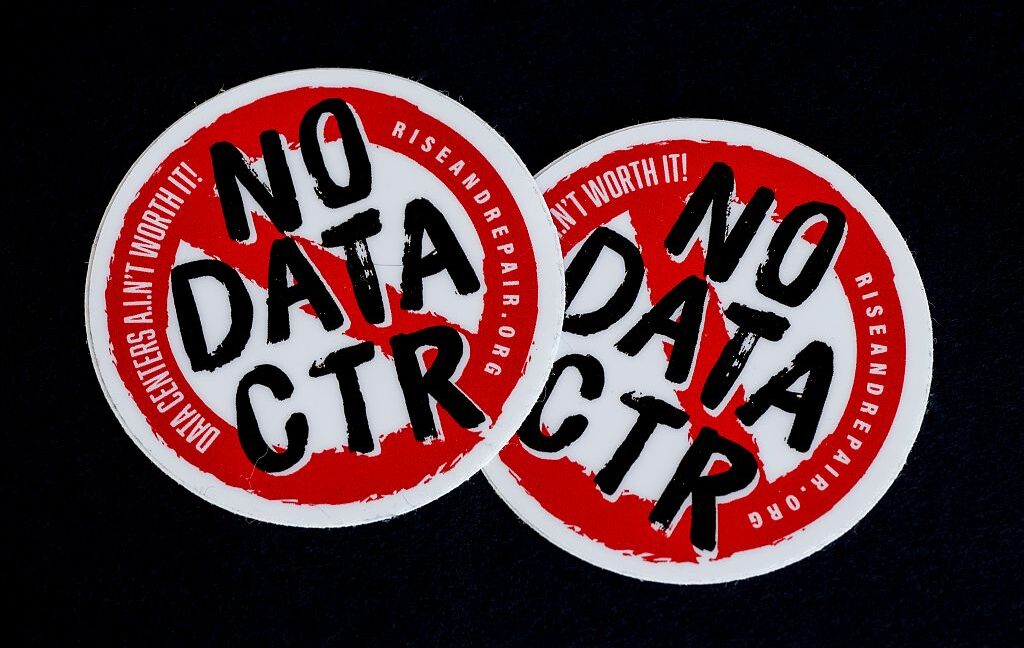
Winning fight against AI data centers gives people a “taste of political power.”
It’s clear that communities now have an effective playbook to block data center construction. This week, researchers flagged the first quarter of 2026 as producing the “most blocked and delayed data center projects on record,” NBC News reported.
Data Center Watch, a project from AI intelligence firm 10a Labs that tracks data center fights around the US, reported that protestors “blocked or delayed at least 75 projects nationwide worth about $130 billion from January through March,” NBC News reported.
That’s “the most in a three-month period since the group began tracking in 2023,” and it shouldn’t be parsed as “a cyclical spike,” the researchers said. Instead, there’s been a “structural shift,” as “communities have internalized an opposition playbook, legislative sessions introduced formal regulatory uncertainty, and the number of active opposition groups more than doubled to 833 across 49 states,” researchers said.
The political momentum behind data center protests is expected to influence the upcoming midterm elections, with both parties increasingly sympathizing with resistance as opposition intensifies.
Sociologist Tressie McMillan Cottom has been spending time with organizers in North Carolina to better understand the playbook that’s fueling this momentum. In an op-ed for the New York Times encouraging Democrats to make data centers a key campaign issue, she noted that she “wasn’t sold on data center resistance as a political possibility,” but “time on the ground changed my mind.”
Not only are people crossing political divides to oppose local construction projects, but also people “are passionate enough to attend political education sessions about water rights, land use, and thermodynamics,” McMillan Cottom wrote. As she explained, people aren’t just educating themselves to keep noisy factories from driving up utility costs, threatening public health, or wasting local resources; some people are, for the first time, experiencing what it’s like to work with their neighbors to overcome adversity through political will:
“I have been watching this new groundswell of dissent firsthand in community meetings, organizing sessions and civic trainings here in North Carolina. The resistance has lifelong joiners, alumni from environmental and housing movements and young organizers. There are also a lot of people who have never dreamed of being disagreeable in public, much less considered joining a raucous social movement. The imminent risk of living next to a data center may be why they show up for a meeting, but they’re committing to the issue for bigger, deeper reasons. Political corruption and corporate malfeasance make them feel politically impotent. Voicing their objections, sharing their anxieties with others, recalling politicians who override them and in some cases beating the opposition is giving them something few politicians are offering—a taste of political power.”
Although it may be hard for Democrats to craft a national message that capitalizes on anti-data-center sentiment, McMillan Cottom suggested that, if they could, it would be the “greatest untapped opportunity” to win more elections.
Data Center Watch noted that the record of $130 billion data centers blocked or delayed in early 2026 was close to matching the value of the total number they recorded for all of 2025, about $156 billion. The researchers suggested that the back half of 2025 marked a “turning point, as data center opposition emerged as a national-level narrative” that showed the AI industry can no longer see the fights as individual zoning disputes. It “is now reshaping elections, regulation, and site viability nationwide,” Data Center Watch reported last year.