// TOM'S HARDWARE US — HARDWARE & GADGET
Modder brings full Nvidia DLSS 5 suite to three generations of AMD gaming GPUs
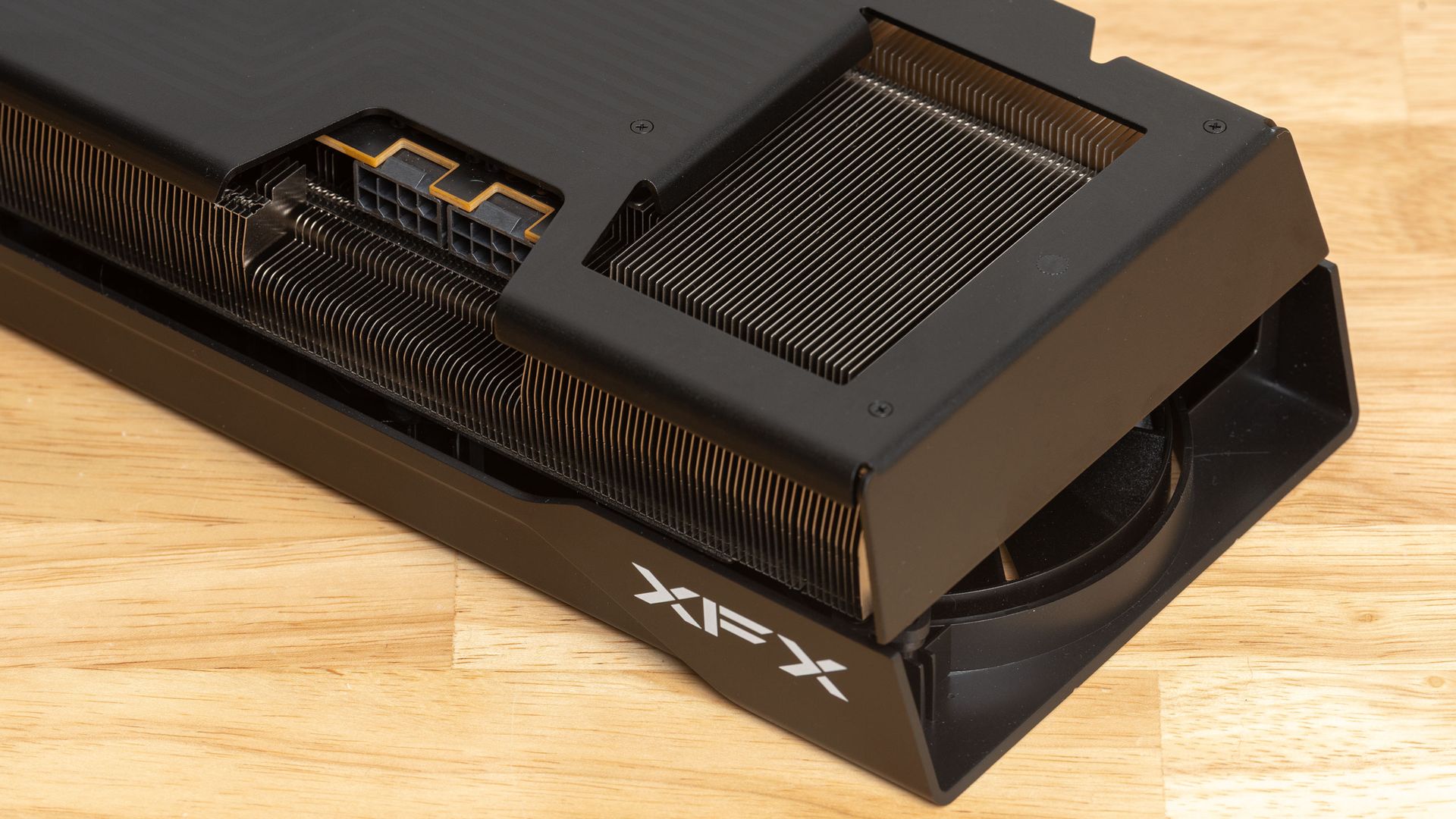
Radeon users finally get to enjoy more DLSS features.
When you purchase through links on our site, we may earn an affiliate commission. Here’s how it works.
The DLSS-NR project on AMD by Daniel Blanco was first released on September 3, 2026, bringing DLSS 5 Neural Rendering to Radeon GPUs; in the latest 0.8.0 update, however, it makes all the main DLSS features available, featuring DLSS SR, Frame Generation, Ray Regeneration, and the newest DLSS NR model, along with more performance improvements.
While AMD has equivalents for most DLSS features like FSR upscaling, frame generation, ray regeneration, and anti-lag, it’s not as commonly supported by most games compared to Nvidia’s offerings. Even if players could use the AMD equivalent features, Neural Rendering is one that AMD just doesn’t have an equivalent for yet, which is why mods like DLSS-NR on AMD were made.
Daniel Blanco wanted to fill the gap with NR in its initial release, but in the latest update, he added all the DLSS features: DLSS Ray Reconstruction, Super Resolution 4.5, Frame Generation, and the latest 310.9.16 improved Neural Rendering build that we covered recently with modders using it on unsupported games. Interestingly, the update notes say it includes FSR 4.1.1 upscaling; AMD GPUs already use FSR, but having FSR 4.1.1 specifically gives the mod a consistent version of FSR to work with, instead of having to be compatible with the various implementations of FSR in different scenarios.
The mod currently supports three generations of Radeon GPUs: RX 9000, 7000, and 6000 (RDNA4, 3, and 2, respectively), in any DirectX 12 game that uses FSR, DLSS, or XeSS. You can install the mod by downloading the NeuralHub mod loader, which provides a UI for you to install it into the games it detects. You then enable FSR, DLSS, or XeSS in the game, and the mod will insert itself into that upscaler pipeline, allowing it to inject any of the settings you configured for the game in the NeuralHub; it even provides an overlay to tweak the DLSS settings without leaving the game.
With a few improvements from the first version, the developer says the output quality is very similar to what DLSS produces on Nvidia GPUs natively, except for “some effects that may not be working 100%.” In the developer’s own testing, he found it to be playable at 90-100FPS at 1080p on an RX 9070 XT, while saying that he’s making improvements every day, planning to match the performance of a 5070Ti.
Real-world results are mixed, however, as Reddit users report showing no performance loss over native FSR, while others experience losing single-digit FPS to up to 25% lower FPS in various games. The developer still has to account for many factors since there are a myriad of PC configurations, but the results look promising as he bridges the gap between AMD and Nvidia GPU features — though it won’t work with anti-cheat, unfortunately.
Follow Tom's Hardware on Google News, or add us as a preferred source, to get our latest news, analysis, & reviews in your feeds.
Get Tom's Hardware's best news and in-depth reviews, straight to your inbox.