// SPACE.COM — SPAZIO & SCIENZA
The asteroid that wiped out the dinosaurs may have created a vast underground habitat for life that lasted 8 million years
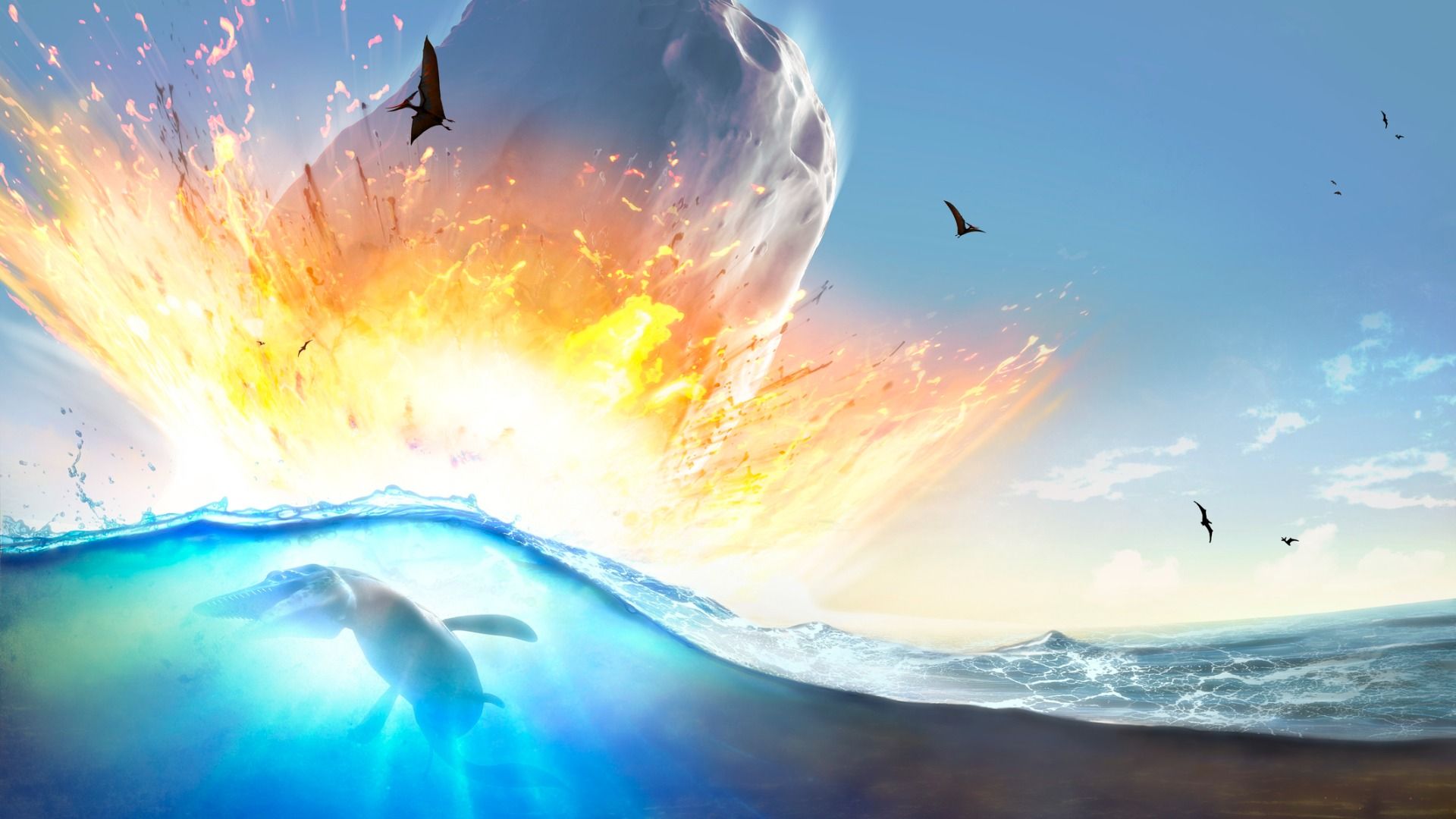
The Chicxulub impact may have actually helped nurture life while destroying it, too.
When you purchase through links on our site, we may earn an affiliate commission. Here’s how it works.
The asteroid impact that doomed the dinosaurs may also have built one of Earth's longest-lasting underground ecosystems.
When a roughly 6-mile-wide (10-kilometer-wide) asteroid slammed into what is now Mexico's Yucatán Peninsula 66 million years ago, it triggered a global catastrophe that wiped out about 75% of life on Earth, including all non-avian dinosaurs.
However, that same impact may also have created a vast underground environment capable of supporting microbial life for at least 8 million years — four times longer than scientists previously believed, according to a new study.
Using updated computer simulations, researchers found that the hydrothermal system generated beneath the famous Chicxulub crater persisted far longer than expected, making it the longest-lived impact-generated hydrothermal system yet documented on Earth.
"Wherever on Earth you find flowing warm water, you find life, and we've known for a while that asteroid impacts create hydrothermal systems," Annemarie Pickersgill, co-author of the study from the Scottish Universities Environmental Research Centre (SUERC), said in a statement. "Previous research undertaken in the early 2000s suggested that the system created by the Chicxulub impact lasted for about two million years. Those findings were based on computer models which were, even at the time, regarded as conservative estimates, but we were still surprised by the outcomes of our research."
The Chicxulub impact excavated a crater nearly 125 miles (200 kilometers) wide and unleashed enormous amounts of heat deep into Earth's crust. In the aftermath, seawater from the Gulf of Mexico infiltrated fractured and melted rock beneath the crater, creating a network of hot, water-filled pores and cracks — conditions that scientists consider highly favorable for microbial life.
The new study combines advanced geological simulations with evidence collected directly from the crater itself. In 2016, scientists drilled into Chicxulub's "peak ring" as part of International Ocean Discovery Program Expedition 364, recovering rock samples from deep beneath the seafloor. Among the materials they collected was a potassium-rich feldspar mineral that formed as hot fluids circulated through the crater after the impact.
Using what are known as argon-argon dating techniques, the researchers determined that these minerals formed over a surprisingly long period, spanning from the time of the impact 66 million years ago until roughly 58 million years ago. This indicates that hydrothermal activity persisted for at least 8 million years, according to the statement.