// ARS TECHNICA — MODA & SOCIETÀ
Ukraine learns to fight without Starlink as Musk plays politics with satellites
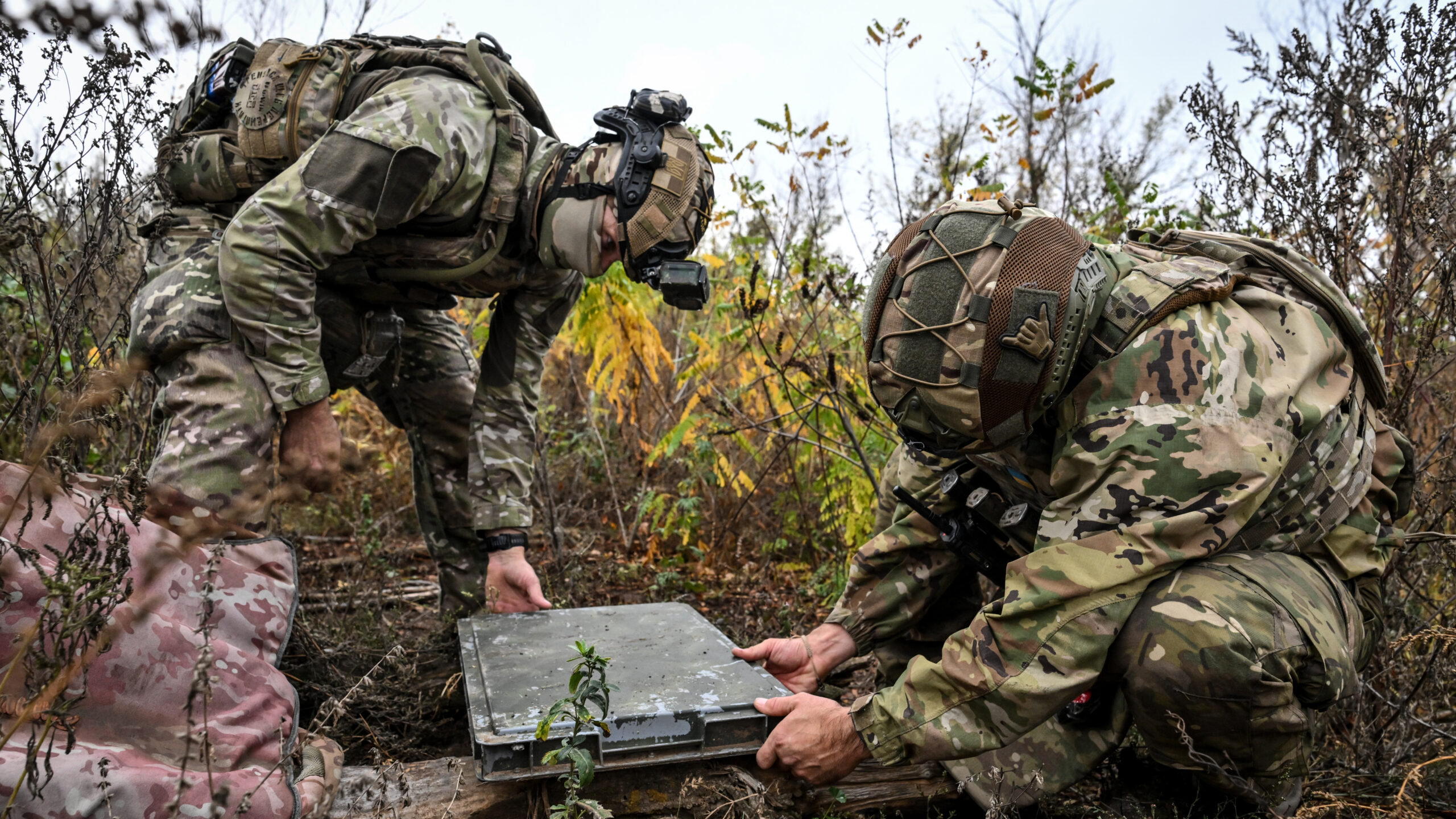
Ukraine has changed drone and war-fighting tech to reduce reliance on Starlink.
Elon Musk’s Starlink satellite service has played a pivotal role in supporting Ukraine’s successful resistance to Russia’s full-scale invasion for years. But with Starlink having become increasingly unreliable due to Musk’s political inclinations and the latest surprise disruptions to service in Ukraine, the Ukrainians and Europe as a whole are now facing urgent questions about how to move forward without it.
As the world’s largest communications satellite network, Starlink can typically support high-speed Internet and data streams for any user or vehicle equipped with a relatively compact Starlink terminal. This has enabled Ukraine to maintain vital communications for both civilian purposes and military operations—and has also expanded the Ukrainian military’s capability to remotely control or provide guidance to drones used in both air defense against Russian attacks and for striking back at Russian targets.
“Starlink currently offers some of the best satellite coverage available, with virtually no competitors when you consider the combination of cost, availability, and ease of use,” according to the head of hardware R&D at the Ukrainian defense company BlueBird Tech, who provided comments to Ars anonymously for security reasons. “In practical terms, the main limitation is the need to position the antenna so it can receive signals from the satellites.”
The US government and European countries such as Poland and Germany have paid SpaceX for tens of thousands of commercial Starlink terminals to be sent to Ukraine, as well as covering subscription fees. The US government has also given Ukraine’s military access to a military-grade version of Starlink known as Starshield, which Ukrainian defense companies can also test in their technologies in cooperation with the military, according to the BlueBird Tech representative.
Starlink terminals have also been deployed on Ukrainian ground robots and drone boats operating in the contested Black Sea, in addition to supporting many different aerial drone operations on the battlefield. But even before the latest Starlink disruptions began on October 13, Ukrainian companies and their Western partners had already begun deploying more drones that reduce or eliminate communications reliance on Starlink.
The Starlink service provided by Musk’s company SpaceX has proven so invaluable to modern battlefield operations that even Russian military units were using smuggled Starlink terminals—at least before SpaceX shut off access to any Starlink terminal within Ukraine not on a whitelist in February 2026. That shutoff severely disrupted Russian battlefield operations in the early part of the year.
But access to Starlink has become a double-edged sword for Ukraine as well. Early warning signs arose in February 2023, when SpaceX President and COO Gwynne Shotwell confirmed reports that Musk’s company was taking steps to block Ukraine’s military from using Starlink with drones. That followed Musk’s social media comments about not allowing Starlink to be used for “long-range drone strikes.”
The top-down Starlink restrictions returned on October 13, 2026, when Ukrainian government officials and military forces reported that the military-grade Starlink service was being throttled for terminals exceeding speeds of about 99 miles per hour (160 kilometers per hour). This latest restriction was imposed by SpaceX reportedly at Musk’s order and potentially in consultation with President Donald Trump. Musk and the Trump administration have both denied responsibility while pointing fingers at each other.
In practice, the throttling of Starlink in Ukraine has made the satellite service unstable at even lower speeds like 80 miles per hour (130 kilometers per hour), said Michael Kofman, a senior fellow in the Russia and Eurasia Program at the Carnegie Endowment for International Peace, in a social media post on October 19.