// ARS TECHNICA — MODA & SOCIETÀ
Analysts find looming launch crisis is "more severe" than anticipated
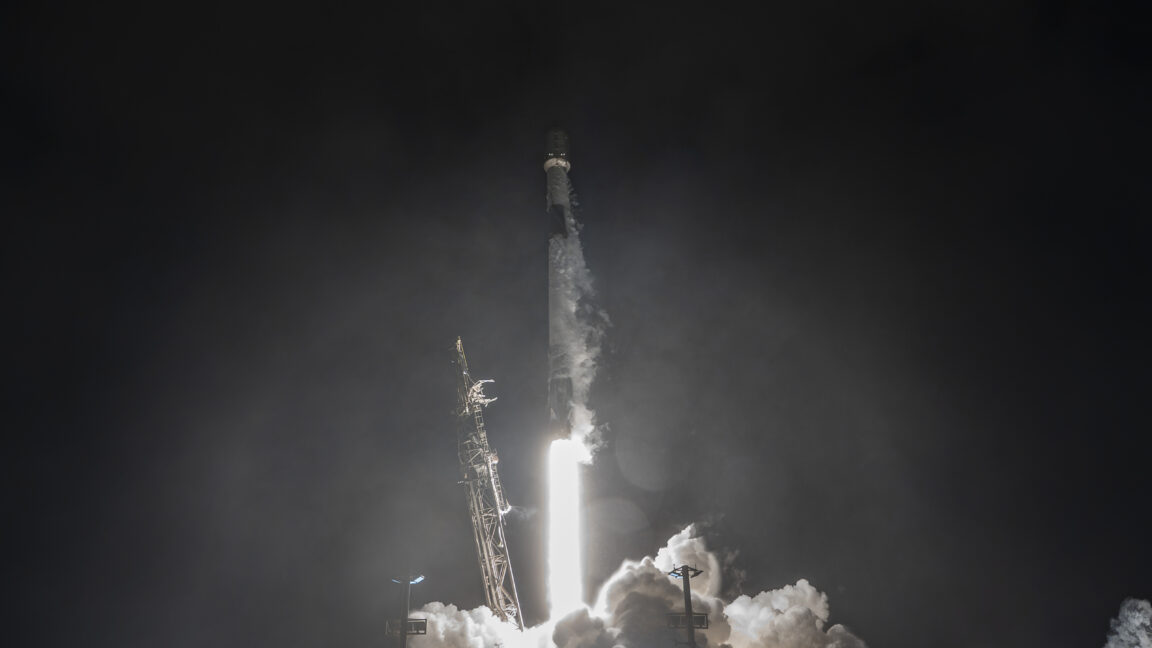
There’s no evidence that Starship will launch traditional satellites, either.
A new report from the analytics firm Quilty Space confirms that, outside of China, the world faces a significant shortage of rockets over the next five years.
The firm estimates that between now and 2030, there will be a shortfall of about 150 launches compared to demand from satellite operators and civil space agencies. If demand from the US military is added in—and SpaceX does not extend the Falcon 9 and Falcon Heavy program to accommodate increased national security needs—the shortage could be doubled.
“What we wanted to get at is to understand how severe this launch crisis is and when will it be resolved,” said Caleb Henry, director of research at Quilty Space. “What we learned is that the launch crisis is more severe than we thought and that it will not go away this decade for sure, and it might not abate until sometime late in the 2030s.”
The report tallies a number of familiar factors that have gone into this crisis: the war in Ukraine taking Russian rockets off the Western market; Amazon Leo demand; developmental delays in a new generation of rockets, from New Glenn and Vulcan to Neutron, Terran R, and Nova; and more recently, the retirement of the Falcon 9 as a rocket for commercial service.
At a time when the supply of commercial rockets is contracting, demand for satellite launch is soaring, from megaconstellation operators such as Amazon to a flurry of small satellite startups. The report estimates the crunch will become most acute in 2028 but should then slowly improve.
“How should people react and plan around this?” Henry asked. “To be honest, I don’t have a good answer. If you haven’t booked your launch already, and you need one, you’re late.”
Henry said several key uncertainties could change the outcome. Most importantly is what SpaceX will do. The company has intensified the shortage by winding down its prolific Falcon 9 rocket program. Starship has the potential to solve the launch crisis given its massive payload capacity and potential for rapid reuse.
But SpaceX has not been aggressively selling Starship as a commercial launch option. “SpaceX has also stopped affirming Starship as a commercial launcher,” the Quilty report states. And as Ars reported this week, there is no evidence that the company is putting effort into developing a conventional payload fairing door for the vehicle to accommodate traditional satellites and spacecraft. Rather, the company seems set to continue to fly the vehicle with its Starlink-optimized narrow door, which ejects satellites into space like a PEZ dispenser.
SpaceX has not offered any public commitment recently to developing a larger payload fairing door, but some of its customers have indicated they don’t expect that to happen any time soon.