// NASA BREAKING NEWS — SPAZIO & SCIENZA
What’s Up: November 2026 Skywatching Tips from NASA
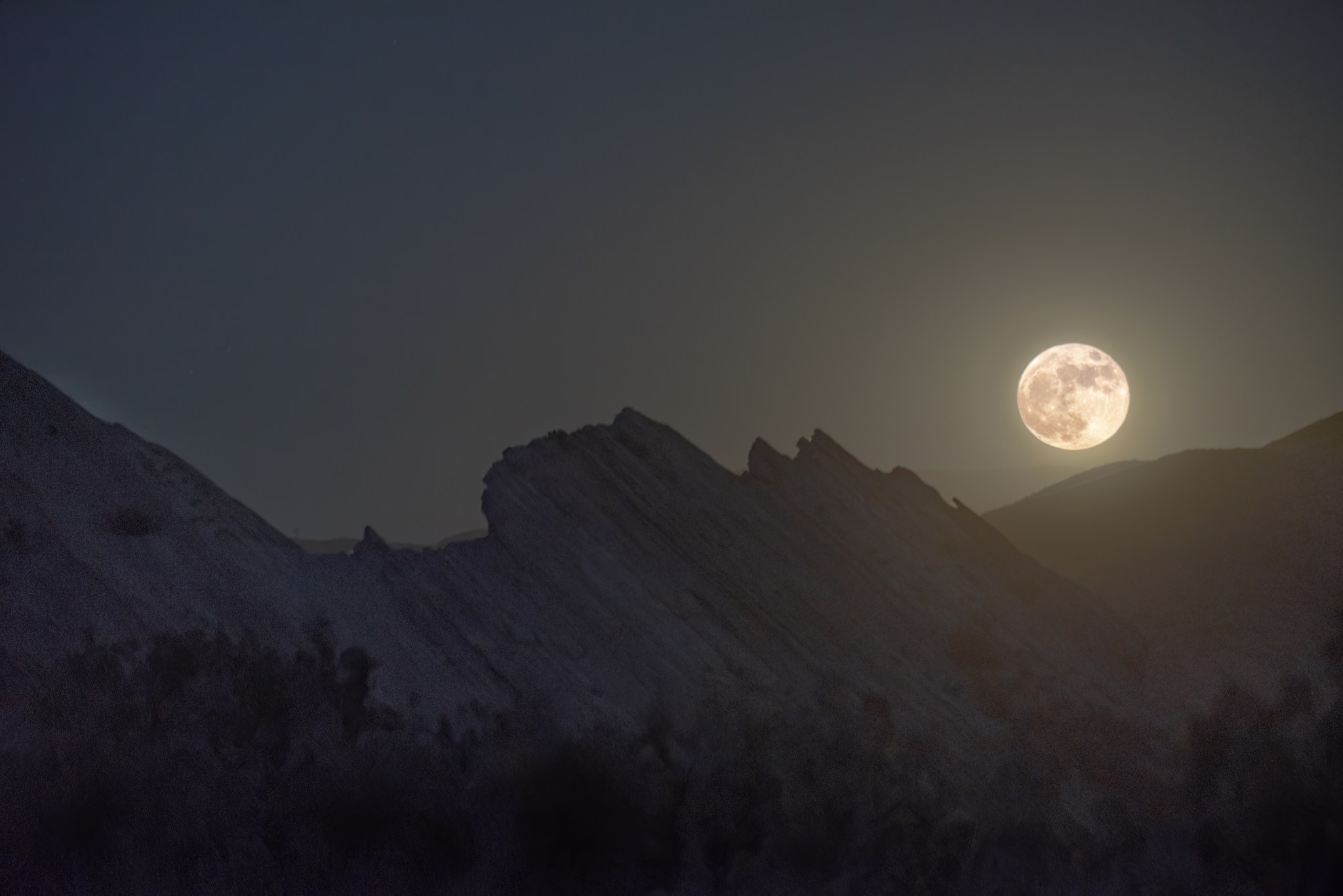
Catch Taurid and Leonid meteors, spot Mars near Jupiter, celebrate Voyager 1's light-day milestone, and watch November's supermoon.
A month of meteor showers ... a close pairing of Mars and Jupiter ... and a supermoon!
November offers a buffet of opportunities to see a meteor streak across the sky!
The Southern Taurids peak around November 5th, followed by the Northern Taurids around November 12th.
Those names refer to the two areas in the constellation Taurus, where the meteors appear to originate.
Each Taurid shower produces only a handful of meteors per hour—around five, under ideal conditions—but an occasional bright fireball can make the wait worthwhile.
Next up are the Leonids. For the best viewing times, try the early morning hours of November 17th and 18th, after the Moon sets. Under ideal conditions, the shower could produce around 15 meteors per hour, though most viewers will see fewer.
To level up your viewing experience, you will want to find a dark location, give your eyes about half an hour to adjust, and take in as much sky as you can.
Around mid-month, there’s another reason to head outside early. On the mornings of November 15th and 16th, look southeast before sunrise to see Mars and Jupiter close together.
They’ll appear about 1.2 degrees apart—a little more than the width of two full Moons side by side. Jupiter is the brighter point of light, with reddish Mars nearby.