// KOTAKU — GAMING
What Overwatch Learned About Its Own Story In 2026
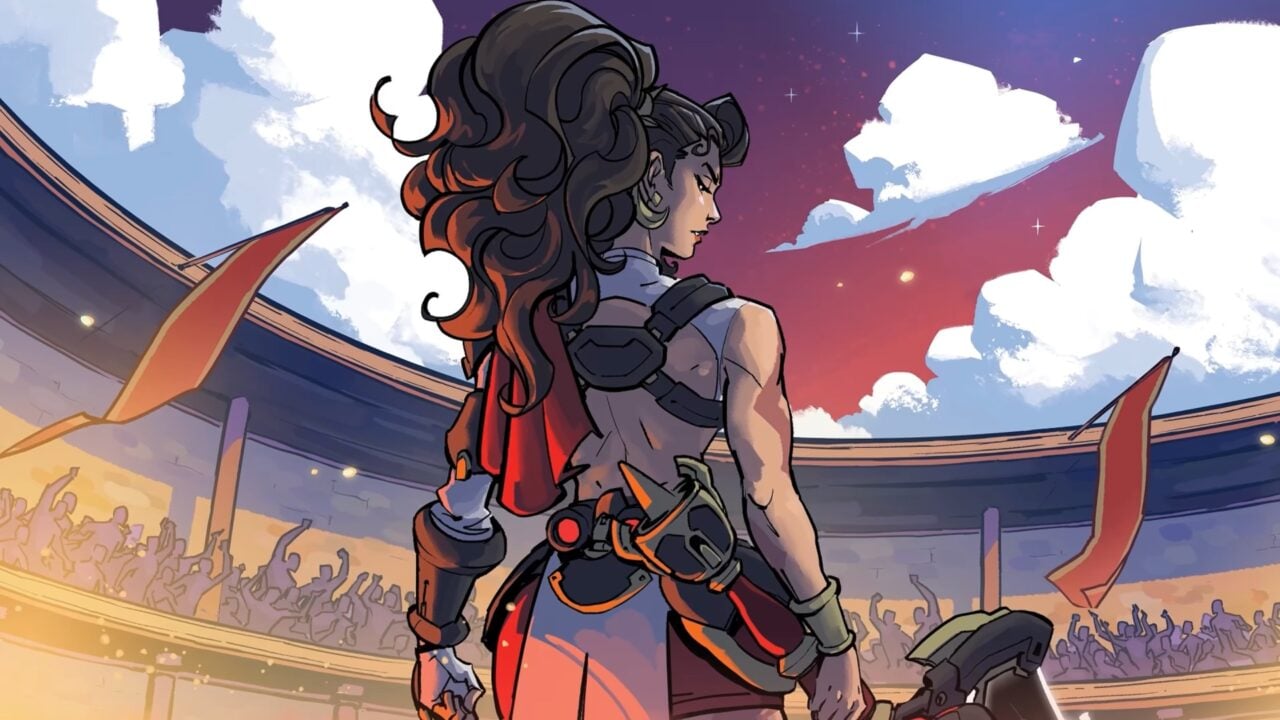
Overwatch’s big 2026 reboot brought in 10 new heroes and a wealth of updates ranging from gameplay tweaks to UI changes, but perhaps the most significant change is that it brought the hero shooter’s story back to the forefront. After the cancellation of Overwatch 2’s planned cooperative campaign left the game’s already stagnant story at an unfortunate standstill, Blizzard has since committed to its longest-running singular arc through cinematics, short stories, comics, and audio dramas that have been telling the story of Vendetta’s reign as the new leader of the terrorist organization Talon.
With the release of the new animated cinematic “In the Wolf’s Mouth,” that story has reached its conclusion. Fans are debating whether or not the Overwatch universe has moved forward in a meaningful way now that Doomfist has reclaimed his place at the top of Talon, but Blizzard has at least set a precedent establishing that it will finally tell full stories within this universe after a decade of mostly nudging things along at a glacial pace. So what has Blizzard learned in the first year of Overwatch finally having a real story?
In a roundtable interview with game director Aaron Keller and associate game director Alec Dawson, the pair talked about how it’s moving into the next phase of Overwatch’s narrative. The next story arc will begin with what Keller describes as “probably the best cinematic” the team has put out since Overwatch‘s launch, but he also indicated that the team hopes to do a better job of drawing players’ attention to the story as new lore drops are released on YouTube, social media channels, and in the in-game Story menu.
“I think that it can be easy to miss some of this stuff when we release it. Like just yesterday, we released a cinematic that was like the wrap-up to the 2026 story. It was our finale. It’s this really amazing piece of this fight between Vendetta and Doomfist with Overwatch present. And sometimes I feel like unless you’re really following along, it might be easy to miss some of those pieces. So I think one of the things that we’re talking about, just like how do we get the story out in front of players to where it’s not only like a ‘can’t miss’ moment, but like it’s also something that they can’t miss because they also know about it, you know?”
While visibility is one side of the coin, Keller also says the team is using this first year as a testing ground for what formats work best to tell Overwatch’s story. Currently, the team cycles through animated shorts, motion comics, and audio dramas narrated by members of the game’s exceptional voice cast, but there are also short stories and digital comics in the mix as well, and Blizzard says it wants its next arc to be better about helping the average player piece all these disparate parts together.
“We kind of do [story] across a lot of different medium types, and so I think sometimes that might also make it a little difficult for our players to piece some of the story elements together that we think are important,” Keller says. “So going forward, I think we’re going to be looking at that strategy a little bit, looking at how we can like bring players up to speed a little bit, even sometimes if it’s just a sentence or two at the start of a cinematic to show that there’s been other stuff happening with the story.”
Over the past year, players have felt a bit of a disconnect between elements of the Overwatch story, as half of the narrative hasn’t been featured in the game itself, but in a webcomic called Overwatch: Undivided which is found in a Webtoons digital comic app. While the cinematics and other lore drops are viewable to everyone in a readily accessible format, Undivided is on a separate app. The comic doesn’t typically portray the biggest story beats on its own; it is undoubtedly supplemental material, connective tissue linking the more pivotal pieces you see in the game’s story menu, and it’s where most of the actual Overwatch members get the m