// ENGADGET — MOBILE & WEB
10 Apple products and features that transformed under Tim Cook's leadership
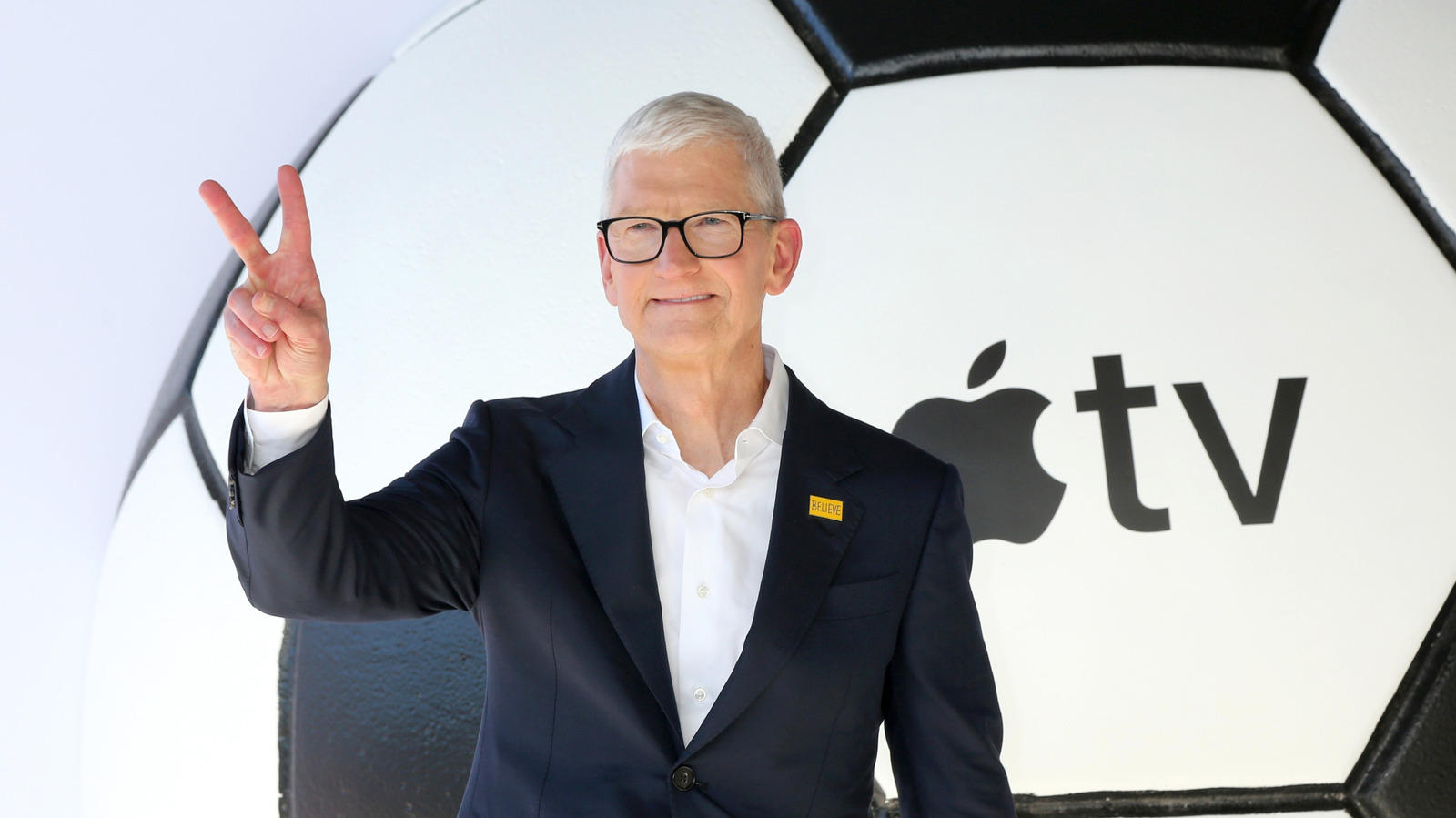
When Tim Cook became Apple's CEO in 2011, he began leading what was already one of the world's most successful technology companies. The iPhone was driving Apple's growth, the iPad was still relatively new and the Mac was at the center of its computing business. Cook inherited an enormous ecosystem, then he spent 15 years finding new ways it could be put to use.
By the end of Cook's tenure, Apple had introduced entirely new product categories, moved the Mac to its own processors, turned the iPhone into a wallet and satellite communicator and built a services business worth more than $100 billion a year. Meanwhile, some of Apple's biggest changes weren't new products, but rather familiar ones that slowly evolved into something else.
There are now more than 2.5 billion active Apple devices, while the company brought in $416.2 billion in net sales in fiscal 2025. Apple's announcement on Cook's transition lays out the scale of the company he leaves behind. But the more interesting story is how under his leadership, Apple products took on entirely new forms and jobs.
When the Apple Watch launched in 2015, it was primarily an iPhone companion for notifications, communication, apps and activity tracking. Apple began expanding its health and fitness capabilities with Apple Watch Series 2, which added built-in GPS, swim tracking and more workout features.
The bigger shift came with Apple Watch Series 4 in 2018. With this, Apple added an ECG app and fall detection, giving the Watch capabilities that went beyond basics like tracking steps. The ECG could record a heart rhythm directly from the wrist, while fall detection could automatically contact emergency services if the wearer appeared to have taken a hard fall and remained immobile.
The watchOS 11 update in 2024 added sleep apnea notifications, the Vitals app and Training Load, giving you more ways to track and interpret health and fitness data. In 2025, the Apple Watch Series 11 introduced sleep scoring and hypertension notifications. While the watch started as an accessory for your iPhone, it now monitors a whole suite of metrics that the iPhone can't.
AirPods could have been just a pair of wireless earbuds for your iPhone, but Apple kept giving them more reasons to exist within the larger Apple ecosystem. Automatic pairing, seamless switching between devices, active noise cancellation and spatial audio made them an attractive option for all your music and other audio.
Apple has given AirPods an important role beyond entertainment, though. Starting with AirPods Pro 2, Apple added a scientifically validated Hearing Test, Hearing Aid functionality for people with mild to moderate hearing loss and Hearing Protection. These hearing health tools make support more accessible to lots of people. Meanwhile, the AirPods Pro 3 added heart rate sensing to track your workout effort with the buds you're likely already wearing while exercising.
Under Cook, Apple took a familiar product and expanded what it could do, without asking people to adopt an entirely new device.
For years, Apple built its own chips for the iPhone, iPad and Apple Watch while relying on Intel processors for the Mac. That changed in 2020, when Apple announced a two-year transition to its own silicon. The move gave Mac computers a common architecture with Apple's other products, providing developers with a more unified platform for building software across the ecosystem.