// TOM'S HARDWARE US — HARDWARE & GADGET
Nvidia cracks down on overseas cloud AI GPU rentals for China
Rent abroad or buy compliant cards: both of China’s routes to Nvidia compute are running short.
When you purchase through links on our site, we may earn an affiliate commission. Here’s how it works.
Nvidia-based compute is getting scarce and expensive for Chinese AI labs on both of their main routes, buying export-compliant cards and renting abroad, and the Financial Times reports that Nvidia’s own crackdowns are part of the reason. Nvidia has told cloud partners worldwide that at least 51% of their services must go to non-Chinese firms, while Chinese companies have bought more than 1 million Nvidia gaming and workstation cards this year to cover the shortfall. Meanwhile, a B300 rack that sells for about $600,000 internationally reportedly fetched $2.8 million in China last month.
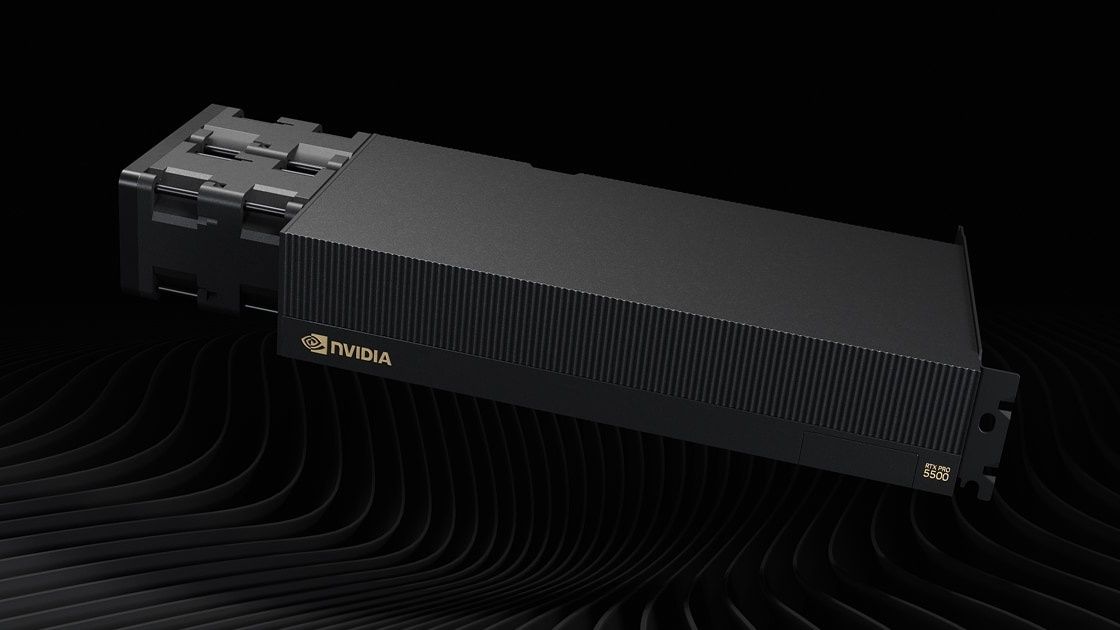
Chinese customers have ordered more than 6 million of Nvidia’s export-compliant RTX Pro 5500 cards. That is at least twice the 3 million that the company could reportedly manufacture in 2027. One source told CNBC that it was proposed that Moonshot pay 30% to 50% more upfront, in comparison to a non-Chinese entity.
Many Chinese groups have relied on overseas leases for advanced AI work, which can include model training, and these tech groups have been the biggest clients for data centers in Southeast Asia. Data centers unable to find non-Chinese clients could be forced to pull back supply, and it’s “difficult to find enough non-Chinese clients outside the US,” one Singapore-based group told the FT. While Nvidia hasn’t confirmed or denied its new rule, implementing it would ease criticism from U.S. lawmakers just as Chinese demand is growing.
What Nvidia told partners has come through verbal instructions, via sales and regional teams, and applies globally rather than just in Asia. Existing deals and leases are not changed, but new ones must comply. Nvidia’s whitelist more than halved its authorized Asian buyer count, which encouraged more Chinese groups to lease over other options, including smuggling. On top of this, Fleet Intelligence tracking is now required for Southeast Asian providers that want to become Nvidia Cloud Partners. All of these combined — whitelist, cap, and tracking — may act to alleviate U.S. concerns.
Among companies that have moved to renting, Moonshot has held discussions to rent capacity from neoclouds that host in Europe with Nvidia GPUs. Specifically, it’s looking for Nvidia Blackwell systems, which export controls bar from China; one source said the talks covered clusters of 8,000 or more Blackwell GPUs in Europe. These clusters would handle inference, serving models to end users, and the European talks for them happened after the White House said Moonshot accessed Blackwell chips through a facility in Thailand. The firm has been fervent about its intentions to secure more compute.
Moonshot isn't the only Chinese company looking to secure Nvidia chips for AI training. Tencent has a deal with Oracle to lease 100,000 GPUs in Southeast Asian data centers. ByteDance and Alibaba are also pursuing similar long-term leases, and most of these overseas data centers run chips like the forbidden B300. MiniMax, like Moonshot, also leases significant compute both at home and abroad.
The big reason is that domestic AI chip supply is simply not up to the task, although not for a lack of trying. Huawei is expected to hit 1.6 million chips this year, with about 1 million from Alibaba and Baidu, and 300,000 from Cambricon. Total supply this year will be up to 3.5 million, including about 1 million made overseas, against a demand that far exceeds 5 million. That number could more than double next year.
Part of the problem is that the export-compliant cards Chinese firms have been buying, mostly the RTX Pro 6000D, RTX Pro 5000, and RTX 5090, are mostly useful for simpler work such as prefill. Even so, the discontinued 6000D’s pricing in China has reportedly doubled. Huawei’s Ascend 910C outperforms them in most areas, but these lower-en