// PC GAMER — GAMING
Now Jensen's gone, Intel’s trouble finding a steady CEO should serve as cautionary tale to Nvidia’s board
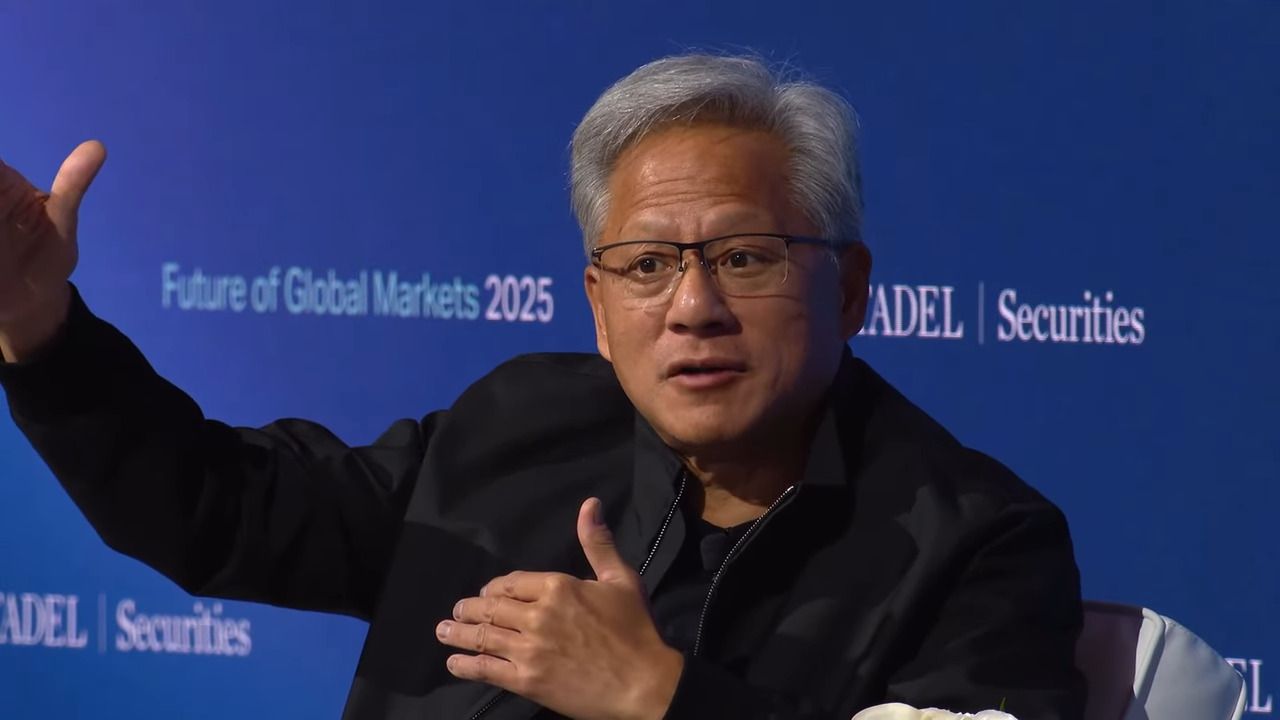
Huang's permanent replacement will have some massive shoes to fill.
When you purchase through links on our site, we may earn an affiliate commission. Here’s how it works.
Has there ever been a tech CEO quite like Jensen Huang? The Nvidia chief has been an emblematic figure to PC gamers for years, before transcending into one of the primary architects of the AI revolution. Regardless of whether you love or hate the technology, (and the financial behemoth that Nvidia has become), you have to admit that Huang has presided over a meteoric rise to the top, the likes of which the tech world has rarely seen.
Now Huang, the Nvidia cofounder, figurehead, and global AI industry pillar, has announced his resignation. The admission of an affair with someone some people suspect to be a Chinese spy, followed days later by reports of another affair with an Nvidia employee, proved to be his undoing as Nvidia chief.
Nvidia's share price has dropped significantly in recent weeks. Investors, likely looking for some sort of stability after the past few weeks of AI and tech company financial woes, seem shaken. In many ways, the situation is unprecedented, and it's hard to draw parallels. But now Huang has gone, it puts Nvidia in the unenviable position of finding someone to replace him at the top of the stack.
Nvidia CFO Colette Kress has taken over as interim CEO for now, but the board will almost certainly be trying to avoid a situation where it ends up with a revolving door of bosses over the next few years.
Which brings me on to Intel, which has found itself working through CEOs at a surprising rate over the past couple of decades. While there are obvious downsides to having a single, totemic figure at the top of a company structure, flat or otherwise, swapping them out on a regular basis isn't necessarily good for business, either.
Intel enjoyed a good run of stability under CEO Paul Otellini, who served as Intel chief from 2005 to 2013. He was then succeeded by Brian Krzanich. He became Intel's CEO in 2013, after joining the company in 1982 and working his way to the top. His tenure was not regarded as a particularly successful one due to stagnation in development, but the Intel ship continued to sail onwards for the next five years regardless.
Then Intel learned that Krzanich had been engaged in a consensual relationship with an employee, an interesting echo of current events. After the board decided this was in violation of Intel's non-fraternisation policy, Krzanich resigned. And so Intel's quest to find a suitable CEO began again. As a temporary solution, previous chief financial officer Bob Swan took over the top seat in 2019, although reportedly reluctantly.
Keep up to date with the most important stories and the best deals, as picked by the PC Gamer team.