// KOTAKU — GAMING
Phantom Blade Zero: The Kotaku Review
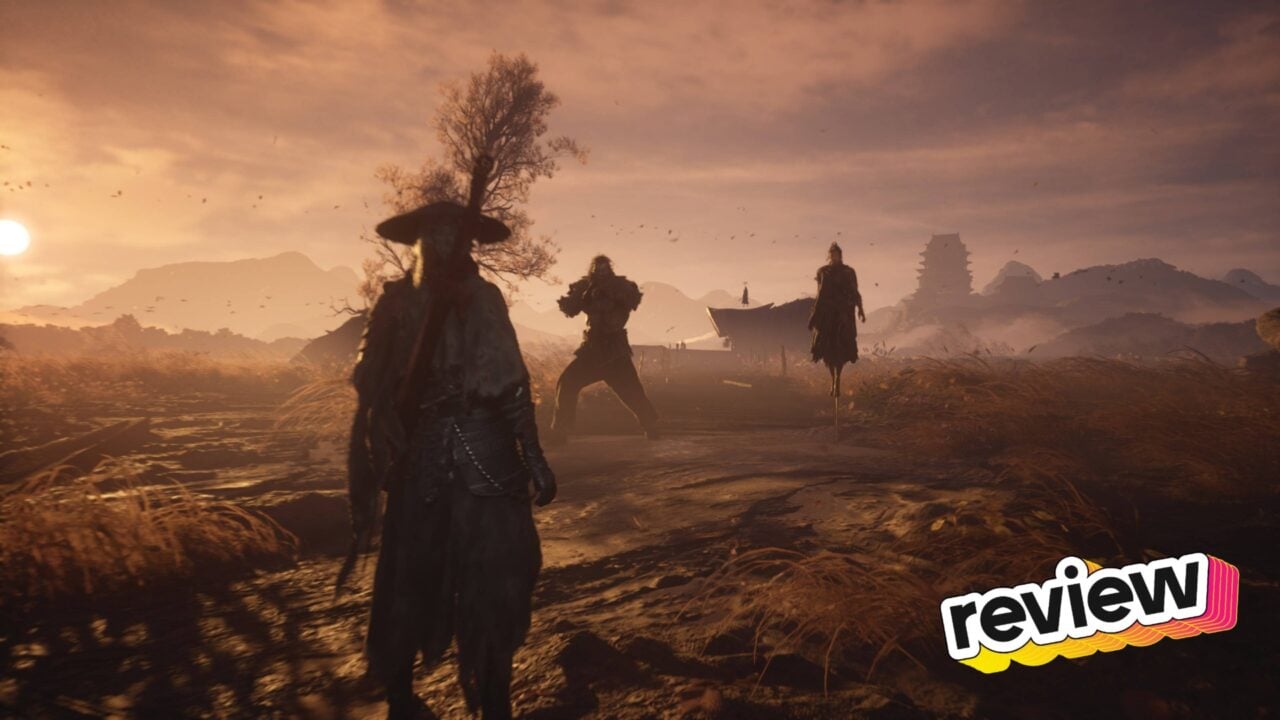
As I launched Phantom Blade Zero for the first time and began what I can only describe as a belabored compiling of shaders, I used the time to dig out a notebook buried at the bottom of a moving box containing notes I took during a preview of the game in 2024. At the time, I was tapped by another outlet to take the Summer Game Fest preview because everyone on staff was busy. No one was expecting this action game with flashy trailers and an overly wordy title would be all that worth paying attention to, so it was handed to me to see what it was all about.
Two years later, sitting down to play the final game, I kept flashing back to that demo with developer S-Game, who were so desperate to get media attention on their title in the very first appointment of the very first day. They were so worried every time I died, asking me if I needed to turn down the difficulty, deathly afraid I was going to saunter over to the media room and lambast the game for my many deaths during a half-hour demo. And some part of me wonders, playing the final game, is past-me the reason for the annoyances current-me has with an otherwise incredible action game?
The feel is incredible, combat is intense, the game is content-packed, some of the boss fights are among the best I’ve ever seen.
Way too easy to miss quests and items, some gimmick bosses just don’t work, I’m conflicted on the way standard enemy encounter design functions, story is frustratingly told.
65 hours. Despite missing a few quests, finished every side quest and got the True Ending. There’s a “second cycle” plus game for the real sickos.
Phantom Blade Zero is an action game that is more 3D Ninja Gaiden than Soulslike, though it absorbs and molds some Soulslike traditions and mechanics to varying degrees of success. As a multitude of combat scenarios, Phantom Blade is an unqualified success. The core act of pressing buttons to attack, parry, and dodge feels immaculately wonderful, especially given that the premise demands you do all those things at once. Where Phantom Blade differs from, say, a Sekiro or Onimusha: Way of the Sword is in the way it expects—nay, demands—that you throw the traditional notion of balancing attack and defense out the window. Phantom Blade will occasionally present enemies that attack you utterly relentlessly, with literally only frames of breathing room between flurries.
The solution is not one of timing, but of boldness. The game isn’t trying to force you to find the right opportunity; it wants you to keep parrying or keep the block button held down and also attack or dodge as the situation demands. Trusting that protagonist Soul can handle this is the first major difficulty spike to overcome, because it does not feel at all like something you should be able to do, and morphs into the only way you can perceive playing action games by the end of your journey.
You might be tempted to take that as an exaggeration, but I insist that it’s not. Once Phantom Blade Zero’s everything-all-at-once combat clicked for me, it genuinely felt like I was going to have trouble going back to melee systems that do not require beckoning the icy touch of arthritis at a young age. It is not particularly deep—you pretty much learn to tap the parry button with a constant rhythm and time the bigger hits for combat advantages and dopamine release—but it feels exciting and active. If Phantom Blade Zero was only going to nail one thing, it’s an overwhelmingly good thing the game nailed this.
One thing that Phantom Blade Zero does not nail, however, is the story. The narrative has the unfortunate combination of being both overbearing and incomprehensible for much of its dozens of hours, throwing a tome of unexplained proper nouns at you so large that it would make Final Fantasy XIII’s opening hours blush.
The genre is no stranger to bad or underexplained stories; it might even be argued that the disposable narratives are part and parcel of excellent character action. But Phantom B