// ENGADGET — MOBILE & WEB
Which Android Phones Are Most Similar To The OnePlus 16?
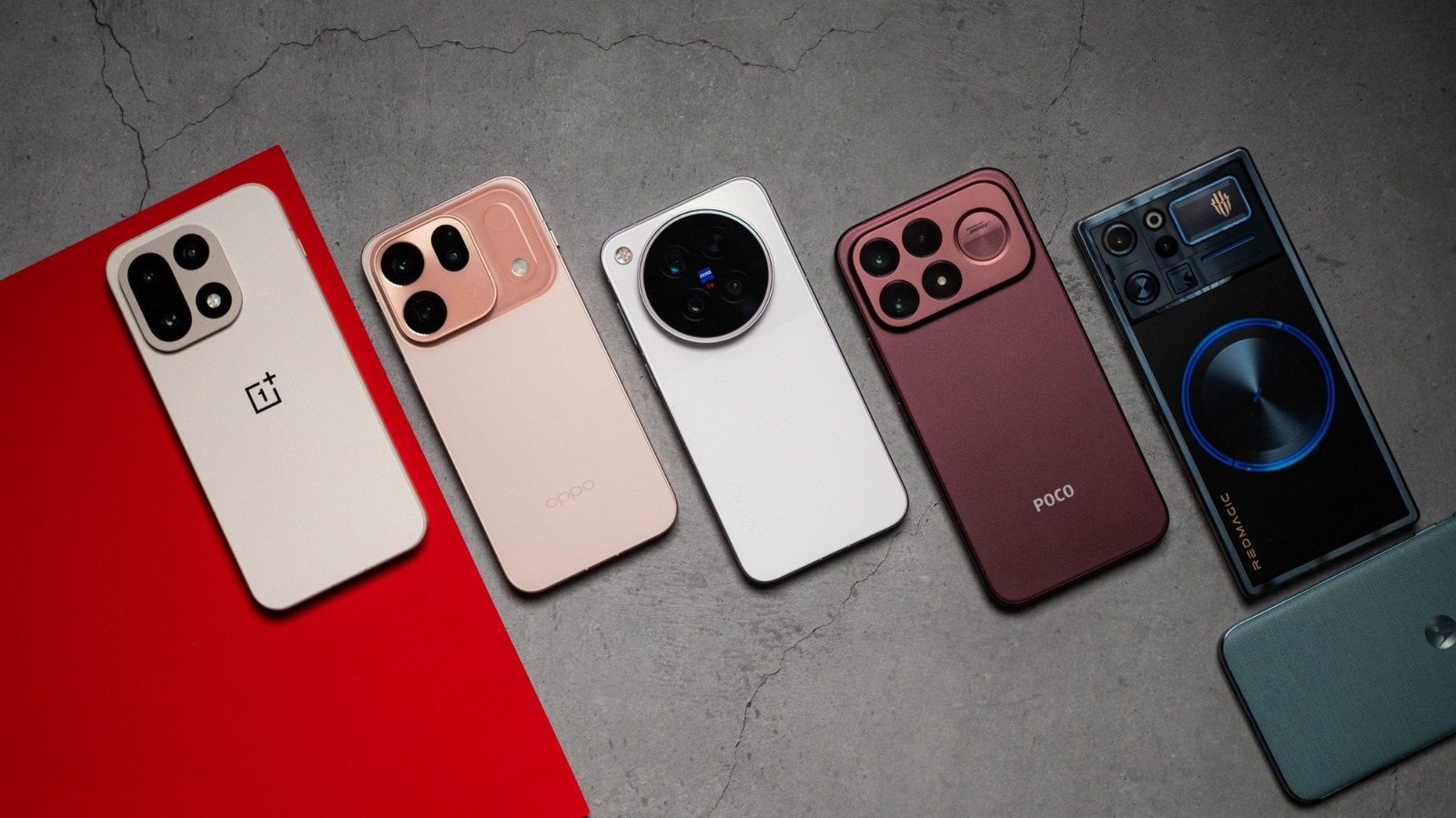
While the OnePlus 16 isn't available in the US or Europe, there are lots of good alternatives.
The OnePlus 16 debuted in China last month, and unlike previous years, it won't be released globally. With the manufacturer exiting the US and European markets, the OnePlus 16 is limited to China, and may see an eventual release in India. This is an issue if you're in the US, as OnePlus played a pivotal role in the country; while it didn't have a sizable market share, it served as an alternative to Google and Samsung's flagships, delivering high-end hardware for less than its rivals.
Interestingly, another Chinese phone maker is taking up the slack: Motorola. The Lenovo-owned manufacturer is making another play at the high-end category, and Motorola's high-end Signature, released earlier this year, proved that Motorola can offer a reliable device with powerful internals and great cameras. While the Signature didn't make it to the US, the Signature 27 is now up for pre-order in the country and hitting store shelves starting November 26. It comes with Qualcomm's latest silicon, flagship cameras and the biggest battery of any phone sold in the US. Then there's the contingent of Oppo, Xiaomi and Vivo; with these manufacturers increasingly turning their attention to the west, the OnePlus 16 omission isn't as keenly felt. If you're a OnePlus user looking to switch, here are some strong alternatives.
Motorola chose the right time to return to the flagship category in the US. The Signature 27 has everything you'd look for in a flagship, and Motorola is touting the cameras as a key point of differentiation. The phone gets a 50MP Sony LYTIA L910 main camera that's joined by a 200MP telephoto with 3x optical zoom and the ability to scale up to 100x with AI (similar to what Google and Samsung do on their phones), and a 50MP wide-angle lens. Motorola also included an event-based vision sensor (EVS); the company says this is designed to help the Signature 27 take better photos of fast-moving objects.
The Signature 27 could be one of the best Android phones when it is released. It's powered by Qualcomm's latest 2nm Snapdragon 8 Elite Extreme Gen 6 chipset, has 12GB of RAM and 512GB of UFS 4.1 storage, IP68 and IP69 dust and water resistance, Wi‑Fi 8 compatibility, sound by Bang & Olufsen, and a massive 7,000mAh battery that should last two days between charges. Interestingly, the phone gets a tandem OLED panel (similar to the iPad Pro and the new MacBook Pro PROLED) that Motorola says is among the brightest of any phone today. I used a few Huawei phones with tandem OLED panels, and it makes a genuine difference; the tech stacks two OLED layers, delivering higher brightness levels.
There's a lot to like with the software as well. The Signature 27 runs Android 17 out of the box and will get seven software updates, and it has the best features from the Pixel 11 Pro XL, including Rambler, Create My Widget, Sign-to-Text and Gemini with the ability to handle multi-step tasks. The Signature 27 also has GrapheneOS compatibility — so if you don't like Motorola's Android skin, you can install the privacy-focused OS. The Signature 27 bests the OnePlus 16 in a lot of ways, but it also costs a lot more: retailing at $1,599, it is in line with the Galaxy S26 Ultra in this regard.
OnePlus and Oppo always shared manufacturing facilities and components, and the Find X10 is the closest alternative to the OnePlus 16 if you're in Europe. The phone is now available for €1,199 ($1,342), and while there are a few differences — it runs MediaTek's Dimensity 9600M instead of Qualcomm hardware, and is slightly smaller — it's the phone you should get if you used OnePlus in the past.
That's because the Find X10 has the exact same software as recent OnePlus phones. Sure, the ColorOS name is different to OxygenOS and the latter has a few aesthetic differences, but they're identical otherwise. The tweaks are so minute that you won't even notice a difference in daily use;