// ENGADGET — HARDWARE & GADGET
AMD vs. Intel CPUs: Which is the better buy in 2026?
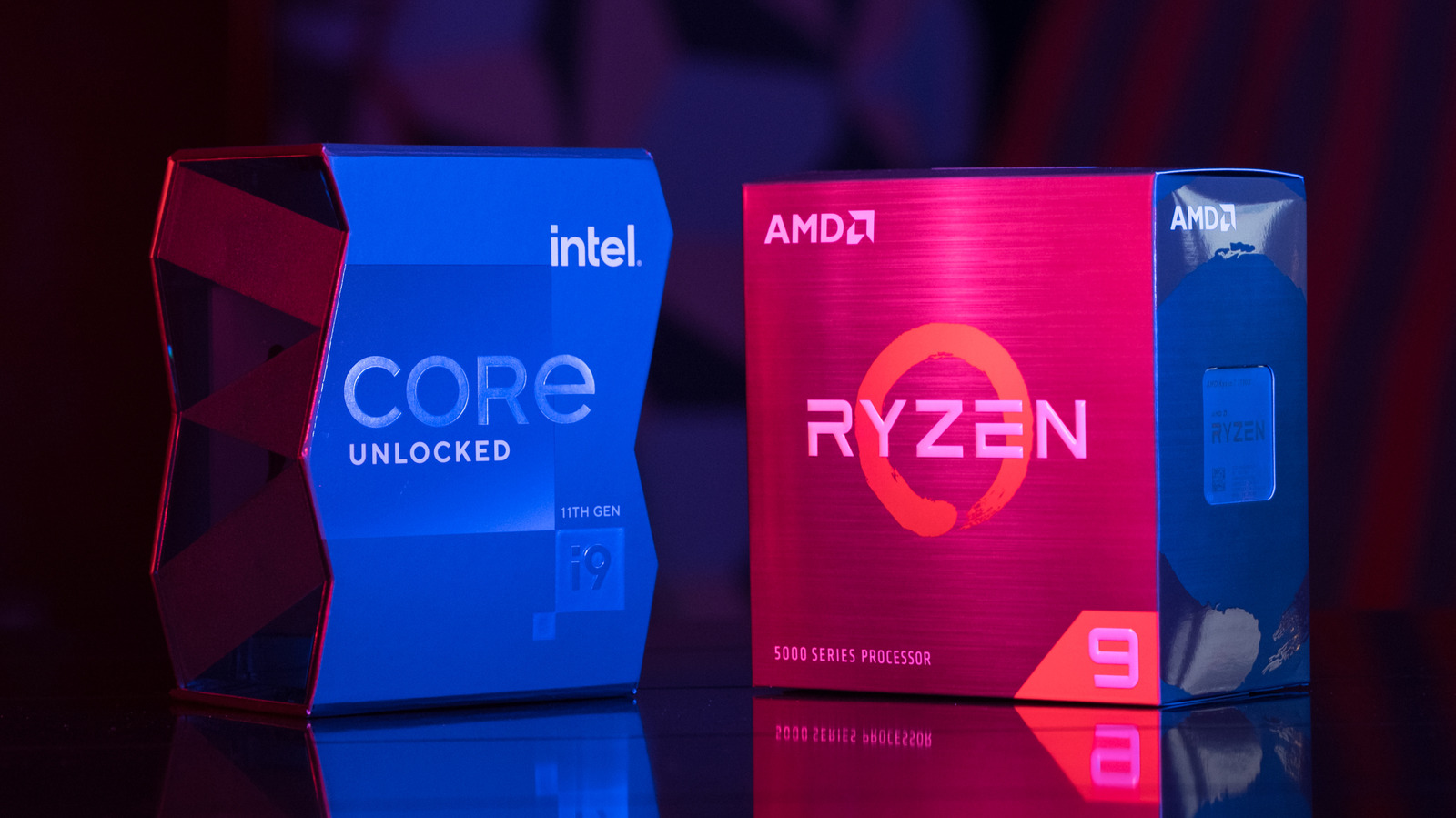
You'll need to take your budget, workload and upgrade preferences into account to decide which is right for you.
If you ask PC gamers which company makes better processors, most of them will point to AMD. Its X3D chips have become the default option for gaming rigs, but the shipment numbers make the story more complicated.
According to Mercury Research, AMD's share of desktop CPU shipments reached 34.9 percent in the second quarter of 2026, which means Intel still accounted for roughly two out of every three desktop processors shipped during this duration. In the laptop race, the difference is even greater, with Intel shipping significantly more than AMD.
But there's no single winner here. Whether you should opt for an AMD or Intel CPU boils down to your preferences, budget and what you actually need the chip for. It could be chasing frame rates, editing videos on the fly or just keeping a few dozen browser tabs open.
We pulled results from trusted hardware reviewers, including Tom's Hardware, TechPowerUp, Notebookcheck, TechSpot and PCWorld. These sources stress-tested the chips through the same games and workloads on comparable test benches. The consistency reflects the actual potential of the chips in real-world scenarios, and that AMD and Intel chips can be compared directly. Testing covered two sides of how people use their PCs: games (where frame rates are the main measure) and creative tasks like rendering, video exports and multitasking.
We compared each brand's chips across three tiers: low-end offerings around $200, midrange chips around $300, and high-end units from $450 to $700. This includes AMD's Ryzen 9000 series (along with its high-end X3D gaming models), the Intel Core Ultra 200S Plus desktop chips, Intel's flagship Core Ultra 9 285K and Intel's latest laptop processors. Older chips only show up where they're still relevant in the buying decision.
Prices listed are launch prices unless otherwise noted. CPU prices change constantly, and the ongoing memory and storage price hikes have pushed full system prices higher, so check what retailers are charging today before you buy.
AMD and Intel have taken different routes to building a modern-day desktop processor. Their differing architectural design choices are reflected in the benchmarks, with each serving a dedicated purpose.
AMD's 9000 chips are built on its Zen 5 architecture using chiplets, which means smaller pieces of silicon packaged together into a single processor. An 8-core compute die handles the processing, while a separate I/O die manages the connections to memory and the rest of the PC. The higher-end variants of the chip, like the Ryzen 9 9950X, house two compute dies. Every Zen 5 core has the ability to run two threads (streams of instructions) at once, which suggests the 8-core Ryzen 7 9800X3D handles 16 threads.
The X3D versions add AMD's signature feature to the mix: a 3D V-Cache. Cache is a small pool of ultra-fast memory built into the processor; the more of it a chip has, the less it has to wait for the system's slower RAM, which makes certain operations faster than others. X3D chips stack an extra 64MB cache die on top of the 32MB that comes standard on the processor itself, for a total of 96MB of L3 cache. With Zen 5, AMD moved that cache die below the cores instead of on top, which lets the cores dissipate heat more easily. That's one reason why the 9800X3D boosts to 5.2GHz, up from 5GHz on the older 7800X3D variant.