// ENGADGET — MOBILE & WEB
iPhone Duo Vs Oppo Find N6: How these foldables compare
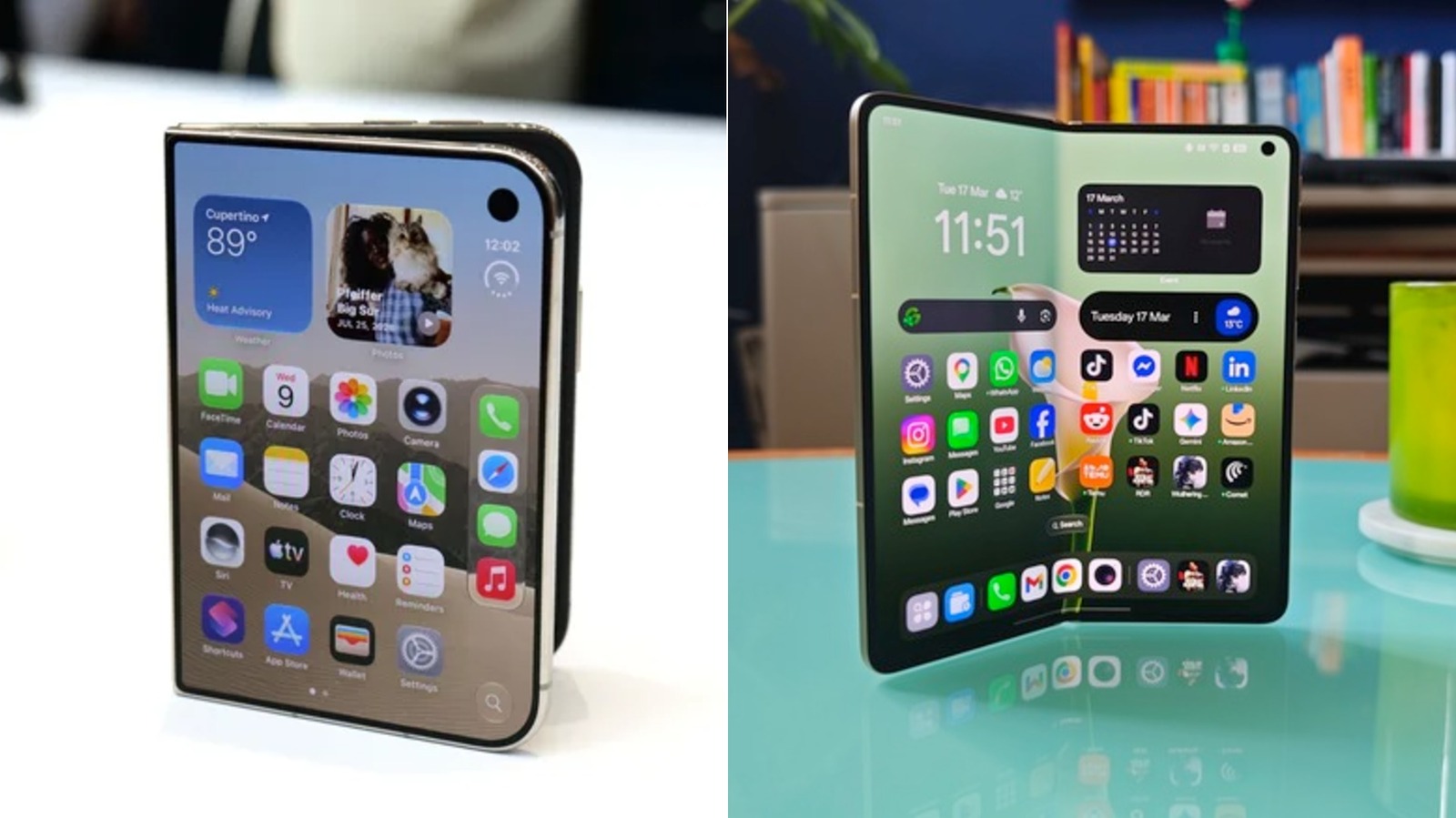
Different hinges, different priorities, same giant dent in your savings.
The foldable phone market just got a lot more interesting now that Apple has officially (finally) entered the fold with the iPhone Duo. Oppo's Find N6 has been turning heads since its spring 2026 launch, and both phones represent serious engineering efforts to solve the same problem: packing a tablet-sized screen into something that fits in your pocket.
But these two foldables take different approaches. The iPhone Duo leans into Apple's signature design language and ecosystem integration, while the Find N6 pushes the boundaries on thinness and camera resolution. This comparison will look at design, display, durability, cameras, performance, battery, software, and pricing to figure out which foldable deserves a spot in your pocket.
We should point out that, at this point in time, the iPhone Duo has yet to ship, so it hasn't been tested in full beyond a few hands-on experiences. To level the playing field, we'll be sticking to the specs on the paper for this comparison piece.
Both devices use the familiar book-style folding design, but their proportions diverge quite a bit. The iPhone Duo features a 5.4-inch outer display and a 7.6-inch inner display. The inside panel uses OLED technology with 120Hz ProMotion, HDR10 and Dolby Vision support, plus peak brightness of up to 3,000 nits. The outer panel, while smaller, features the same OLED display.
The Find N6 goes slightly bigger, offering a 6.62-inch cover screen and an 8.12-inch inner display with a near-square 1.1:1 aspect ratio. Both screens support 120Hz refresh rates, but Oppo pushes brightness further, with the cover display reaching up to 3,600 nits peak and the inner display topping out at 2,500 nits.
The practical difference comes down to proportions. The iPhone Duo keeps a consistent 1.4:1 aspect ratio across both displays, which Apple positions as ideal for immersive video and side-by-side multitasking. The Find N6's near-square inner screen, on the other hand, appeals to users who want a more book-like or tablet-like experience when unfolded. Both devices support multiple viewing modes, including tent and tabletop configurations, letting you prop your phone up for hands-free video calls or content streaming.
This is where the Find N6 pulls head, at least on paper. Oppo's foldable measures a remarkably slim 0.35 inches when folded and weighs just 7.94 ounces, making it one of the thinnest book-style foldables money can buy right now. The iPhone Duo, by comparison, is noticeably chunkier. It measures 0.44 inches folded and 0.21 inches unfolded, weighing 8.96 ounces.
When it comes to durability, the iPhone Duo is quite a bit tougher. The Duo carries an IP68 dust and water resistance rating, meaning it's rated for immersion up to 19.7 feet for 30 minutes. The Find N6 offers IP56, IP58 and IP59 certification, which covers powerful water jets and submersion up to 4.9 feet for 30 minutes. That's solid protection, but not quite matching Apple.
For anyone who frequently uses a phone one-handed, the 1 ounce weight difference might matter after a full day of use, but it's not exactly the end of the world. The difference in thickness, however, might be something that matters more as you slip the phone into a purse or a pocket, or when you're trying to carry multiple things in your hand at once. If water resistance matters to you, however, the new iPhone is the better choice.